养乐多乳酸菌饮料

Search documents
困在“舒适区”的日系饮料,如何错失中国饮料市场?
Xin Lang Cai Jing· 2025-12-09 05:39
Core Insights - Japanese beverage brands are facing stagnation in growth and declining market share in China due to the rise of local brands that leverage rapid innovation and targeted marketing strategies [1][5][11] Group 1: Market Dynamics - Japanese beverages like Suntory's Oolong tea and Yakult have dominated niche categories in China but are now losing ground to local brands [1] - The Chinese beverage market has become highly competitive, with local brands rapidly innovating and expanding their distribution channels [1][5] Group 2: Localization Strategies - Japanese brands initially adopted localization strategies to resonate with Chinese consumers, incorporating cultural symbols and local language in branding [2][4] - However, the superficial approach to localization has led to consumer skepticism, as many now perceive these brands as "disguised" rather than genuinely integrated [4] Group 3: Product Innovation - Japanese brands have been slow to innovate, with Yakult only introducing a few product variations since its entry into China in 2002, while local brands rapidly launch new products [5][6] - The average R&D investment for Japanese beverage brands is less than 2%, compared to 5.8% and 3.5% for local brands like Yuanqi Forest and Nongfu Spring, respectively [6] Group 4: Supply Chain Efficiency - Japanese brands face higher production costs, estimated to be 15%-20% more than local competitors, due to reliance on imported materials and inefficient supply chain management [11][12] - Local brands have developed efficient supply chains that allow for lower prices and faster market response, further eroding the competitive edge of Japanese brands [12] Group 5: Channel Strategy - Japanese brands have become overly reliant on convenience stores, which has limited their market reach and adaptability to changing consumer preferences [8][9] - Local brands are adopting a multi-channel strategy, expanding into various retail formats and rural markets, which has proven more effective in capturing market share [8][9] Group 6: Consumer Trust and Health Narratives - Japanese brands have struggled to maintain consumer trust as health narratives based on scientific claims have been challenged by consumers' increasing focus on ingredient transparency [10][13] - Instances of product quality issues have further damaged the reputation of Japanese brands, leading to a decline in perceived quality and trust [15][16] Group 7: Future Outlook - For Japanese brands to regain growth in China, they must either fully localize their operations or focus on creating unique value propositions in niche markets [17]



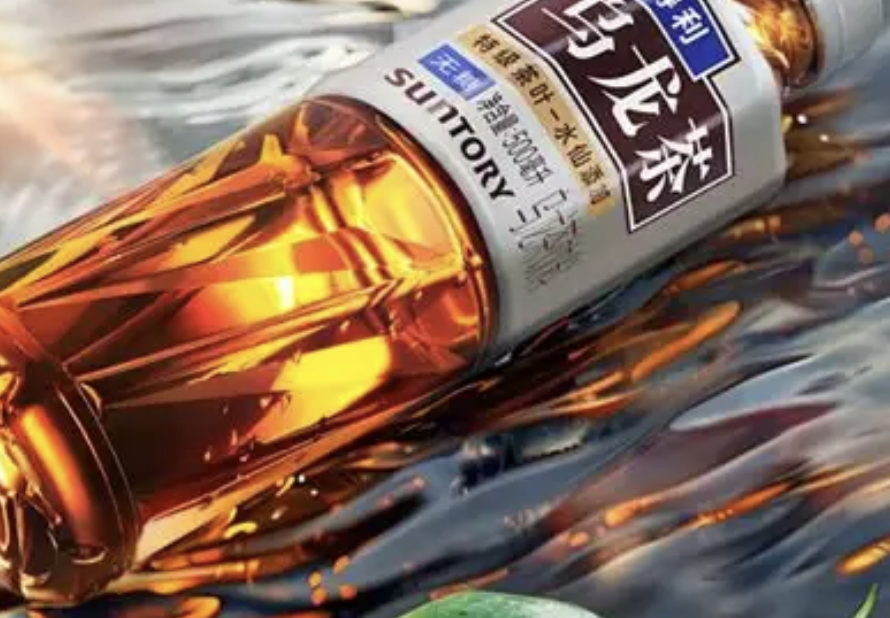
日本制造,在华大溃退
虎嗅APP· 2025-12-04 09:51
Core Viewpoint - The article discusses the withdrawal of Japanese manufacturing companies from the Chinese market, highlighting the decline of brands like Canon, Sony, and Yakult, and the reasons behind this trend, including increased competition from local manufacturers and a failure to adapt to market changes [5][22][29]. Group 1: Company Withdrawals - Canon's production facility in Zhongshan, China, ceased operations on November 21, 2025, marking the end of over 20 years of presence in the region [4][5]. - Yakult announced the closure of its Guangzhou factory, which had been operational for 23 years, and previously shut down its Shanghai factory [6][17]. - Sony officially exited the Chinese smartphone market by shutting down its Xperia brand [7]. - Mitsubishi Motors completely withdrew from the Chinese market, ending both vehicle sales and its joint engine production with Shenyang Aerospace Mitsubishi [7][16]. Group 2: Market Dynamics - The Japanese manufacturing sector's exit from China is characterized as a response to competitive pressures rather than a strategic shift, with companies facing declining market shares and sales [22][29]. - The shift towards a paperless office has led to a shrinking market for printers, impacting Canon significantly, which saw its market share drop to 3.9% by Q3 2025 from 16% in 2010 [22][24]. - In the probiotic beverage sector, Yakult's market share has been eroded by local competitors offering better price-performance ratios, with Yakult's sales declining significantly from their peak [26][27]. Group 3: Competitive Landscape - The decline of Japanese brands in China is attributed to the loss of technological advantages, as local manufacturers have improved their capabilities and now hold a significant market share in sectors like printing [23][24]. - Japanese companies have been slow to adapt to changing consumer preferences, such as the demand for low-sugar beverages, which has hindered their competitiveness [27]. - Despite their struggles in China, Japanese manufacturers still maintain strong global market positions, with Canon holding a 22% share of the global printer market as of 2023 [29]. Group 4: Future Implications - The article suggests that the exit of Japanese companies from China is not the end of their global competitiveness but rather a new chapter for Chinese manufacturers, who are now positioned to compete on a larger scale [32]. - The success of Chinese brands in domestic markets, particularly in appliances, indicates a shift in market dynamics where local companies are gaining dominance [30].

又一日企被揪出?在华26年赚1496亿,却被误以为是国货
Sou Hu Cai Jing· 2025-12-02 23:14
Core Insights - The article discusses the presence of Japanese brands in the Chinese market that disguise themselves as local products, highlighting the consumer perception of these brands as domestic goods despite their foreign origins [1][3][12]. Group 1: Market Presence and Performance - Suntory's revenue for 2024 is projected to reach 3,079.7 billion yen, approximately 149.6 billion RMB, with over half of its income derived from overseas markets, particularly China [3]. - Suntory has accumulated revenue exceeding 140 billion RMB in China, surpassing the annual revenue of Nongfu Spring for 2024 [3]. - Yakult, since its entry into China in 1996, achieved a market share of 60% in the low-temperature yogurt drink sector by 2018, indicating its strong market penetration [5]. Group 2: Marketing Strategies - Suntory's marketing strategy includes using Chinese packaging and cultural elements to create a perception of being a local brand, which has been effective since its market entry in 1997 [3][5]. - The success of these brands is attributed to their ability to localize their products and marketing, such as Sofy's packaging stating "designed for Chinese women" [5][8]. - Daikin has established itself in the commercial air conditioning market through high-end positioning and technical advantages, despite lower brand recognition among general consumers [7]. Group 3: Challenges and Market Dynamics - Japanese brands face increasing competition from local brands like Nongfu Spring and Yuanqi Forest, which are rapidly gaining market share and innovating more flexibly [12][14]. - Consumer awareness regarding brand authenticity is rising, leading to a backlash against these "disguised" foreign brands, with discussions about their true origins becoming more prevalent on social media [12][14]. - The shift in consumer perception has prompted some Japanese companies to emphasize their Japanese heritage and quality in marketing efforts [12][14]. Group 4: Consumer Perspective - The article suggests that consumers should approach these brands with a rational mindset, recognizing that while the marketing strategies may be perceived as deceptive, they are legally compliant [13]. - It emphasizes the importance of understanding the contributions of these companies to the Chinese economy, including local production and employment [13]. - Consumers are encouraged to make informed choices based on product quality and value rather than solely on brand origin [13][14].
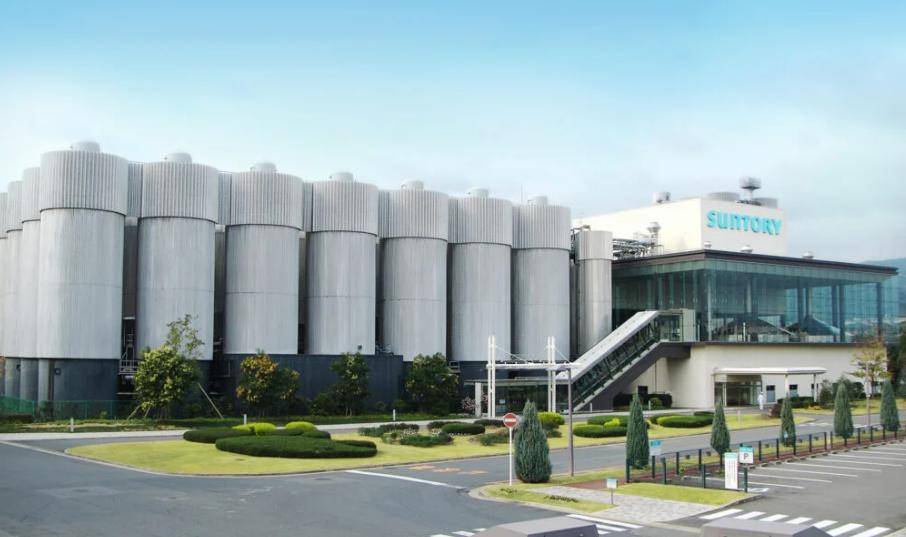
广东人“童年神饮”卖不动,养乐多连关两家厂
凤凰网财经· 2025-10-22 12:48
Core Viewpoint - Yakult is restructuring its operations in China to enhance competitiveness and achieve sustainable growth, which includes the closure of its Guangzhou No. 1 factory by November 30, 2023, and the transfer of production to other facilities [2][3]. Group 1: Company Restructuring - Yakult's parent company announced the closure of Guangzhou No. 1 factory as part of a restructuring plan aimed at optimizing production and resource utilization [2]. - The Guangzhou No. 1 factory, operational since June 2002, will have its production functions shifted to Guangzhou No. 2 and Foshan factories [3]. - The company is committed to assisting affected employees during this transition, ensuring compliance with legal regulations [4]. Group 2: Sales Performance - Yakult's sales in China have seen a significant decline, with daily average sales dropping from 625.7 million bottles in 2022 to 443.9 million bottles in 2024 [7]. - The Guangzhou subsidiary's daily average sales decreased from 259.6 million bottles in 2022 to 184.6 million bottles [7]. - The decline in sales is attributed to a waning interest in probiotic drinks and increased competition from alternative products [8][9]. Group 3: Market Trends - The market share and average price per hundred milliliters of probiotic drinks have both declined from 2022 to 2024 [11]. - Despite being the market leader, Yakult's market share has decreased alongside competitors like Mengniu and Wahaha [11]. - In response to market changes, Yakult has introduced low-sugar and new flavor products in 2023 to boost sales [11]. Group 4: Future Outlook - Recent adjustments have shown some positive results, with a reported increase in daily average sales to 383.1 million bottles in early 2025, although this remains significantly lower than the 597.4 million bottles in 2019 [11][12]. - The company continues to seek new strategies to navigate the challenges in the probiotic beverage market [12].