咖啡浓缩液

Search documents
中国咖啡的故事,热闹了起来|咖啡观察③
Nan Fang Nong Cun Bao· 2025-12-07 06:01
Core Insights - The Chinese coffee market is experiencing rapid growth, with the industry expected to surpass 300 billion yuan in 2024 and reach over 1 trillion yuan by 2025, potentially climbing to 1.39 trillion yuan by 2029 [5][6]. Group 1: Industry Growth and Trends - The coffee consumption market in China is expanding quickly, prompting deeper exploration and innovation within the industry [9]. - Yunnan province, contributing over 98% of China's coffee production, is shifting from reliance on the dominant Catimor variety to developing high-quality coffee varieties through years of research and technological advancements [11][12][13]. - The introduction of new coffee varieties such as DTARI 400 and DTARI 402 has improved both quality and yield, with the area planted with quality varieties reaching 162,000 acres by 2024 [27][28]. Group 2: Regional Developments - Hainan is leveraging its free trade port status to enhance its coffee processing capabilities, aiming to transform from a planting area to a global procurement and processing hub [41][42]. - Guangxi is positioning itself as a coffee trade hub, focusing on its geographical advantage to facilitate coffee imports from Vietnam, with plans to become a national quality coffee production base by 2030 [45][51]. - Shanghai is emerging as a core market for coffee consumption, with over 9,000 coffee shops and a market growth rate exceeding 20% annually, aiming to establish itself as a major coffee trading platform [52][53][78]. Group 3: Research and Innovation - The forum highlighted the importance of research in driving the coffee industry forward, with calls for a collective effort to establish international standards and branding for Chinese coffee [61][63]. - The establishment of the Guangxi Coffee Research Center has led to significant advancements in coffee variety research, aiming to develop unique varieties suited to the region's climate [68]. - The Shanghai Free Trade Zone Coffee Trading Center is working towards becoming the third-largest coffee trading center globally, integrating various trading and financial services [78][79]. Group 4: Quality and Standards - The quality of Chinese coffee is improving, with the proportion of specialty coffee increasing from less than 8% in 2021 to 31.6% [28]. - The establishment of clear standards for coffee quality and pricing is deemed essential for enhancing market competitiveness and establishing a strong presence in the international market [75][76].


八点半“输血”36家门店,仲家汇能否“绝地求生”
Qi Lu Wan Bao Wang· 2025-07-08 03:27
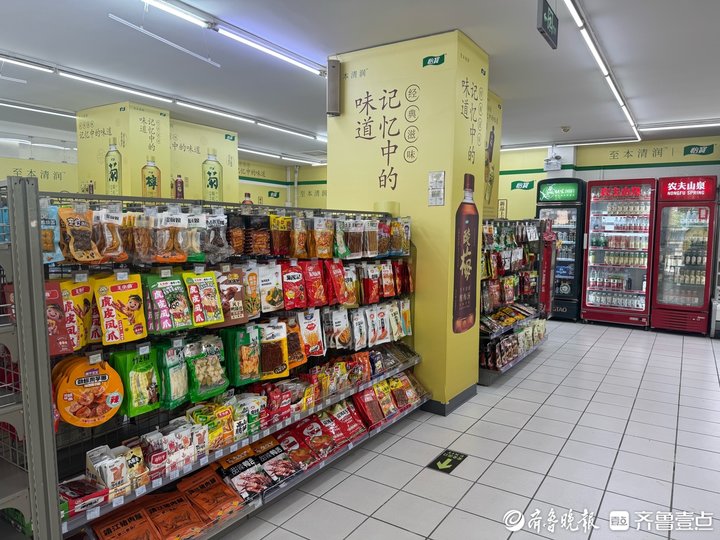
Core Viewpoint - The collaboration between Zhongjiahui and Baidianban aims to revitalize Zhongjiahui's struggling operations through a "managed franchise" model, but the long-term success remains uncertain due to significant debt and market competition [1][11]. Group 1: Collaboration Details - Starting from July 8, 36 stores will begin trial operations under the joint management of Zhongjiahui and Baidianban, with the first eight stores opening [6][11]. - The products in these stores are supplied by Baidianban, and the operational systems have been integrated into Baidianban's framework [4][11]. - The partnership is described as a "managed franchise," meaning that while both brands will operate together, Zhongjiahui is not selling its stores outright [6][11]. Group 2: Financial Challenges - Zhongjiahui is facing severe financial difficulties, with over 100 stores closed and around 120 still operational [7][8]. - The company has accumulated debts exceeding 111.6 million yuan, with ongoing legal disputes and a significant number of suppliers reporting unpaid invoices [8][10]. - The company has seen a drastic reduction in staff, with over half of its employees leaving due to unpaid wages and social security [10]. Group 3: Market Context - Baidianban's interest in Zhongjiahui stems from its established locations in prime areas of Jinan, which are valuable for expanding its market presence [12]. - The convenience store market in Jinan is highly competitive, with established brands like Orange Convenience and 7-Eleven posing significant challenges to Baidianban's growth [14]. - The previous expansion efforts of Zhongjiahui, including the acquisition of Unified Yinzuo, led to its current financial troubles, highlighting the risks associated with aggressive growth strategies [15].