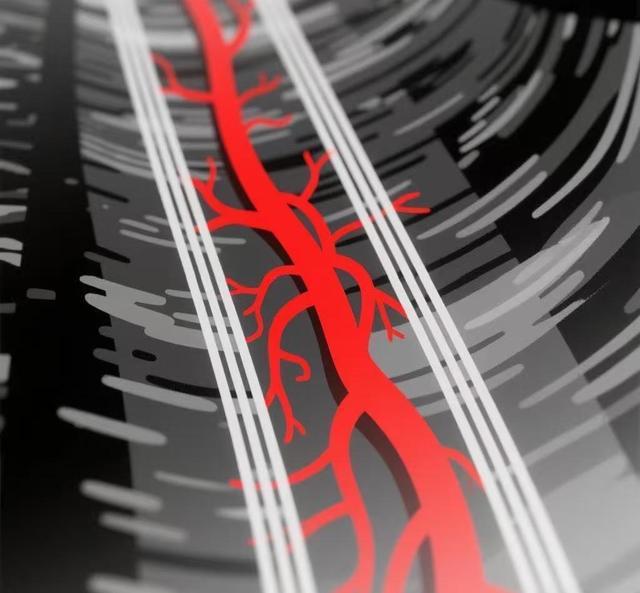
四维超声成像技术

Search documents
AI赋能 拓展医疗新领域
Huan Qiu Wang Zi Xun· 2026-01-08 03:14
Group 1: Russia's Health Project and AI Development - Russia has launched a national health project called "New Technologies for Health Protection," with a budget of 37.5 billion rubles planned for 2025-2027, focusing on enhancing medical research efficiency and ensuring technological sovereignty [1] - The project supports clinical trials for 8 original drugs targeting cancer and cardiovascular diseases, the development of 12 original medical devices, and 8 technologies for treating neurodegenerative diseases [1] - Yandex, Russia's largest search engine, has developed a pediatric MRI analysis tool, marking it as one of the first AI medical products specifically for children, adhering to strict data security standards [1] Group 2: Advances in Neurodegenerative Disease Research - The Peter the Great St. Petersburg Polytechnic University has made progress in neurodegenerative disease research, completing preclinical trials of a compound named C20, which reduces amyloid plaque in Alzheimer's disease model mice without affecting survival or genomic stability [2] Group 3: AI and Digital Health in Germany - The German Cancer Research Center (DKFZ) has released an AI-based cancer imaging analysis tool that identifies early tumor characteristics with unprecedented speed and accuracy [11] - The Fraunhofer Society is developing new biosensors and AI algorithms for real-time monitoring of chronic disease patients, aiming to translate research into practical digital health products [11] - Munich University and other institutions are advancing the development of "digital twins" of the human body to simulate drug metabolism and disease progression, potentially accelerating virtual clinical trials [11] Group 4: Synthetic Biology Legislation in South Korea - South Korea's National Assembly has passed the "Synthetic Biology Promotion Act," establishing synthetic biology as a core national technology and aiming to enhance global competitiveness in this field [14] - The act mandates the Ministry of Science and ICT to develop a national plan every five years, creating a collaborative innovation system among government, research, and industry [14] - The government plans to invest 126.3 billion won in a national "biomanufacturing factory," which will automate the design, construction, and testing of biological components using AI technology [14] Group 5: Vaccine Development and Public Health in South Africa - Biovac has received regulatory approval to begin clinical trials for an oral cholera vaccine, marking the first locally produced vaccine in South Africa in over fifty years [16] - The University of Cape Town's South African Tuberculosis Vaccine Initiative has completed a Phase II clinical trial for a new tuberculosis vaccine candidate, achieving a 54% efficacy rate [16] - South African researchers have discovered broadly neutralizing antibodies effective against multiple HIV strains prevalent in Southern Africa, collaborating with the NIH to initiate Africa's first long-acting injectable antiretroviral drug trial for young women [16]
四维超声技术清晰呈现器官细微血流,为研究和诊断血液循环疾病提供新视角
Huan Qiu Wang Zi Xun· 2025-10-29 02:25
Core Viewpoint - French scientists have developed a groundbreaking ultrasound imaging technology that enables comprehensive and high-precision visualization of microcirculation and blood flow dynamics in major organs, providing unprecedented insights for the research and diagnosis of blood circulation-related diseases [1][3]. Group 1: Technology Development - The new ultrasound probe allows for four-dimensional blood flow imaging in live animal models, achieving spatial resolution below 100 micrometers, which is sufficient to capture blood flow changes in the smallest blood vessels [3][4]. - This technology can visualize the entire vascular network of organs and accurately quantify blood flow dynamics, distinguishing between arterial, portal, and hepatic venous systems in the liver [3][4]. Group 2: Clinical Application - The technology is currently entering clinical testing, with efforts to integrate the device into human applications, as the probe can connect to a small portable device [4]. - Once applied clinically, this technology is expected to become a vital tool for understanding systemic hemodynamics, covering all levels from the aorta to pre-capillary arterioles, and providing objective evidence for monitoring small vessel-related diseases [4].