
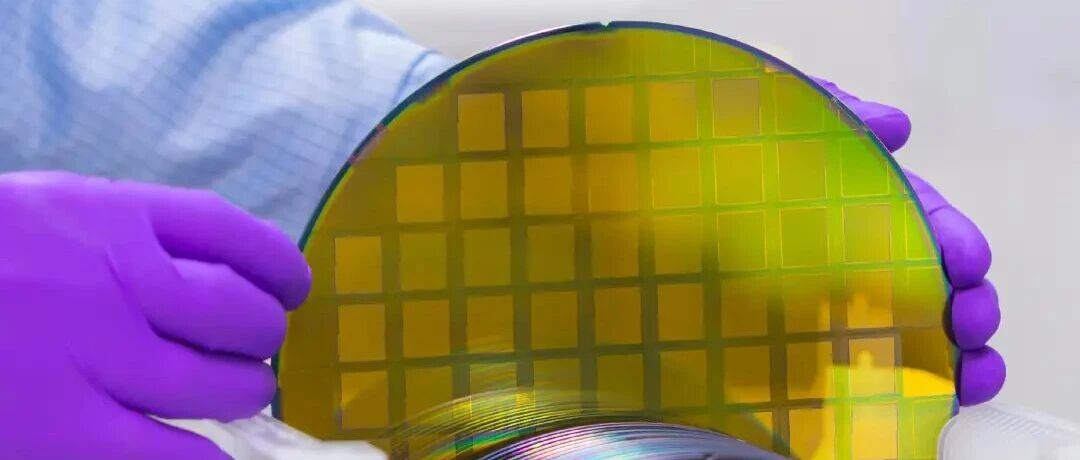
图像传感器(CIS)

Search documents
中芯国际赵海军:AI挤占存储产能,客户此时不宜过度砍单
经济观察报· 2026-02-11 14:12
Core Viewpoint - The current decline in terminal demand is attributed not to a loss of consumer willingness but rather to a supply chain resource mismatch caused by the explosion of AI demand [3][5]. Financial Performance - In 2025, SMIC reported a record annual revenue of $9.327 billion, a year-on-year increase of 16.2%, and a net profit of $685 million, up 39.1% [2]. - The gross margin for Q4 2025 decreased by 2.8 percentage points to 19.2%, with guidance for Q1 2026 indicating a range of 18%-20% [2][9]. Supply Chain Dynamics - The memory chip market is experiencing price volatility, leading to heightened supply chain tensions, with memory prices significantly increasing in Q1 2026 compared to Q4 2025 [3]. - AI's strong demand for storage chips, particularly HBM and high-density DDR5, is squeezing the supply available for mobile and other applications [5][6]. Capacity Utilization and Market Trends - SMIC maintained a high capacity utilization rate of 95.7% in Q4 2025, but the revenue structure showed subtle changes, with the PC and tablet segment's revenue share slightly increasing to 15.2% [5]. - The company is shifting its production capacity towards high-demand areas such as data centers and automotive sectors, as orders for mid-range mobile and PC devices decline due to storage shortages [11]. Capital Expenditure and Depreciation - SMIC's capital expenditure reached $8.1 billion in 2025, exceeding initial expectations, primarily to meet strong customer demand and adapt to external changes [9][10]. - The company anticipates a 30% year-on-year increase in total depreciation in 2026 due to rising unit depreciation costs from new factory operations [9][10]. Future Outlook - For 2026, SMIC expects revenue growth to exceed the average of comparable peers, driven by internal efficiency improvements and high capacity utilization [14]. - The company is optimistic about navigating through the high depreciation phase and entering a phase of healthy development as capacity gradually releases and market demand rebounds [14][15]. Industry Trends - The semiconductor industry is undergoing a localization shift, with significant opportunities arising from domestic design companies capturing supply chain shares [16]. - As AI technology penetrates edge devices, there will be an upgrade in specifications for mobile and PC devices, leading to increased demand for higher-value chips [16].


港股上市!国改发展基金基石投资启新篇
Sou Hu Cai Jing· 2026-01-13 11:19
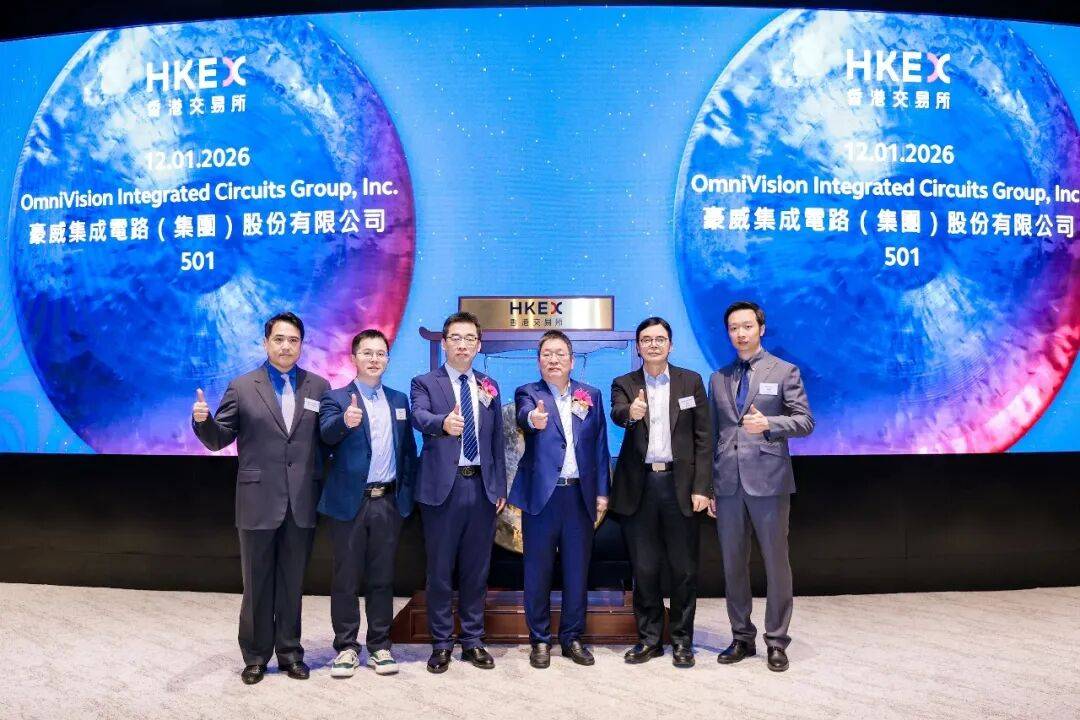
Group 1 - Ningbo Tongshang Fund participated in the cornerstone investment of OmniVision Technologies, Inc. during its IPO on the Hong Kong Stock Exchange, marking the first direct IPO project for the fund in 2026 and an innovative practice for the state-owned reform fund in participating in industry leaders' "A+H" dual capital platform operations [1] - The partnership between OmniVision and Ningbo is deep-rooted, with the investment further enhancing collaboration in the semiconductor industry, particularly through the establishment of the Ningbo Yongxin Wehao Semiconductor Industry Fund [3] - OmniVision is a leading global semiconductor design company, focusing on image sensor (CIS) solutions, display solutions, and analog solutions, and has become the third-largest CIS supplier globally and the largest automotive CIS supplier [3] Group 2 - The core technologies developed by OmniVision address long-standing industry pain points, achieving leading advantages in certain technologies, and are widely applied in high-end products across various sectors including smartphones, automotive, security, medical, action cameras, panoramic cameras, and smart glasses [3] - The rapid expansion of OmniVision's market share in the high-end smartphone CIS sector is driven by R&D innovations, while the increasing penetration of automotive intelligence is creating new growth opportunities for the company [3]
中芯国际20251114
2025-11-16 15:36
Summary of SMIC's Q3 2025 Earnings Call Company Overview - **Company**: SMIC (Semiconductor Manufacturing International Corporation) - **Period**: Q3 2025 Key Financial Metrics - **Revenue**: $2.382 billion, a 7.8% increase quarter-over-quarter [3] - **EBITDA**: $1.43 billion, with an EBITDA margin of 60% [2][3] - **Net Profit**: $192 million attributable to the company [2][3] - **Total Assets**: $49.4 billion, Total Liabilities: $16.4 billion, Total Equity: $33.1 billion [4] - **Debt-to-Equity Ratio**: 34.8%, Net Debt-to-Equity Ratio: 0.4% [4] Operational Highlights - **Production Capacity**: Monthly capacity reached 1.023 million 8-inch wafers, with a capacity utilization rate of 95.8% [7] - **Revenue by Region**: China accounted for 86% of revenue, with a 11% increase in absolute revenue quarter-over-quarter [8] - **Revenue by Application**: - Consumer Electronics: 43% - Smartphones: 22% - Computers and Tablets: 15% - Industrial and Automotive: 12% [9] Gross Margin and Profitability - **Gross Margin**: 22%, up 1.6 percentage points quarter-over-quarter, driven by increased capacity utilization and output [2][10] - **Operating Profit**: $351 million [3] Future Guidance - **Q4 2025 Revenue Forecast**: Expected to remain flat or grow by 2% quarter-over-quarter, with a gross margin forecast of 18% to 20% [6][12] - **Full Year 2025 Revenue Projection**: Anticipated to exceed $9 billion, marking a new milestone in revenue scale [12] Industry Dynamics - **Market Trends**: Rapid expansion in China's wafer manufacturing, particularly in memory and logic circuits, despite ASML's prediction of a decline in revenue share from Chinese customers [2][16] - **Impact of Memory Cycle**: Positive effects on manufacturing but negative impacts on end-product manufacturers due to supply uncertainties and price pressures [16] Cost Management - **Administrative Expenses**: Lower in Q3 due to reduced one-time costs and effective cost control measures [17][18] - **Future Outlook**: Expected to return to normal levels as one-time adjustments cease [18] Competitive Landscape - **Market Positioning**: SMIC maintains a competitive edge through high-quality technology, long-term customer relationships, and rapid cost response [24] - **Inventory Situation**: The market is still in a replenishment phase, with uncertainties in demand due to memory shortages [25] Conclusion - **Overall Performance**: SMIC demonstrated strong financial performance in Q3 2025, with solid revenue growth, high gross margins, and a robust operational capacity. The company is well-positioned to navigate industry challenges and capitalize on emerging opportunities in the semiconductor market.

中芯国际市值三个月增4000亿 高盛唱多四次上调目标价
Chang Jiang Shang Bao· 2025-10-08 23:24
Core Viewpoint - Goldman Sachs remains bullish on the Chinese semiconductor industry, particularly on SMIC, raising its target prices for both H-shares and A-shares multiple times within a month, driven by the growth in AI applications and demand for semiconductor products [1][2][3]. Group 1: Target Price Adjustments - Goldman Sachs has raised the target price for SMIC's H-shares to HKD 117 and A-shares to CNY 211, marking the fourth adjustment in less than a month [1][2]. - The adjustments reflect a 31.79% increase for A-shares and an 83.67% increase for H-shares over the recent period [3]. Group 2: Market Performance - SMIC's market capitalization has increased by over CNY 400 billion, with the combined market value of A-shares and H-shares reaching CNY 780.5 billion [4]. - The stock price of SMIC has shown significant growth, with H-shares rising 134.36% and A-shares increasing 71.62% since June 19, 2025 [3]. Group 3: AI Demand and Company Growth - The rapid expansion of China's AI ecosystem, particularly the DeepSeek V3.2-Exp model, is expected to drive demand for power management chips and image sensors, benefiting SMIC [3][5]. - SMIC's production capacity utilization has rebounded to over 90%, with significant demand for PMIC and MCU chips from edge AI devices [5][6]. Group 4: Capital Expenditure and Expansion Plans - SMIC plans to invest USD 7.33 billion in capital expenditures in 2024 and USD 7.6 billion in 2025, with a focus on equipment purchases and infrastructure development [6][7]. - The company is expanding its production capacity by approximately 50,000 12-inch wafers annually across various locations [6][7]. Group 5: Acquisition Strategy - SMIC is acquiring a 49% stake in SMIC North, a key 12-inch production base in Beijing, which will enhance its production capabilities and asset quality [6][7]. - The acquisition is viewed as a strategic move to bolster SMIC's capacity expansion and operational efficiency [7].
看好中国AI芯片,高盛连续第四次上调中芯国际和华虹半导体目标价
Hua Er Jie Jian Wen· 2025-10-06 02:24
Core Viewpoint - Goldman Sachs has issued a bullish outlook on the Chinese semiconductor industry, raising target prices for SMIC and Hua Hong Semiconductor for the fourth time in a month, citing long-term benefits from AI-driven chip demand growth [1][4]. Group 1: Target Price Adjustments - Goldman Sachs raised the 12-month target price for SMIC's H-shares to HKD 117.0 and A-shares to CNY 211.0 [1][5]. - Hua Hong Semiconductor's target price was increased by 34% to HKD 117.0, maintaining a "buy" rating for both companies [1][4]. Group 2: AI Model Cost Revolution - The report highlights a significant breakthrough in AI models with DeepSeek's new experimental model, DeepSeek V3.2-Exp, which reduces API costs by over 50% [2]. - The input cost for the model has decreased to CNY 0.2-2 per million tokens, while the output cost is CNY 3 per million tokens [2]. Group 3: Chip Demand Growth - The explosion of AI applications in China is expected to create massive demand for various chips, including PMICs, Bluetooth/WiFi, CIS, RF, and MCUs [1][4]. - The collaboration between chip suppliers and model developers is forming a rapid iteration development loop, optimizing chip performance [3]. Group 4: Capacity Expansion - Both SMIC and Hua Hong Semiconductor are expanding their production capacity and upgrading technology to meet the growing demand [4]. - SMIC is increasing its 7nm/14nm capacity, while Hua Hong plans to migrate to 28nm in its next fab [4]. Group 5: Valuation Reassessment - Goldman Sachs believes that the market is reassessing the valuations of Chinese semiconductor companies, leading to updated valuation models [4]. - The target price for Hua Hong Semiconductor is based on a new expected P/E ratio of 68.8 for 2028, reflecting a significant increase from the previous 51.5 [4]. - For SMIC, the target price is based on a new expected P/E ratio of 62.9 for 2028, with an A-H share premium of 196% [5].
看好中国AI芯片!高盛“又双叒叕”上调中芯国际和华虹半导体目标价
Hua Er Jie Jian Wen· 2025-10-06 01:57
Core Viewpoint - Goldman Sachs has issued a bullish outlook on the Chinese semiconductor industry, raising target prices for SMIC and Hua Hong Semiconductor for the fourth time in a month, citing long-term benefits from AI-driven chip demand growth [1] Group 1: Target Price Adjustments - Goldman Sachs raised the 12-month target price for SMIC's H-shares to HKD 117.0 and A-shares to CNY 211.0 [1][4] - Hua Hong Semiconductor's target price was increased by 34% to HKD 117.0, maintaining a "buy" rating for both companies [1][3] Group 2: AI Model Breakthroughs - The recent release of DeepSeek's experimental model DeepSeek V3.2-Exp significantly reduced training and inference costs, with API costs dropping over 50% [1][2] - The input cost is now between CNY 0.2-2 per million tokens, while the output cost is CNY 3 per million tokens [2] Group 3: Demand for Semiconductor Components - The explosion of AI applications in China is expected to create massive demand for various chips, including PMICs, Bluetooth/WiFi, CIS, RF, and MCUs [1][3] - AI's widespread adoption will drive increased demand for peripheral chips, which are primarily produced by SMIC and Hua Hong Semiconductor [3] Group 4: Capacity Expansion and Technological Upgrades - Both companies are steadily expanding their production capacity and upgrading technology, with SMIC increasing its 7nm/14nm capacity and Hua Hong planning to migrate to 28nm in its next fab [3] - The optimistic outlook for China's AI ecosystem is leading to a revaluation of semiconductor companies in the market [3] Group 5: Valuation Models - Goldman Sachs updated its valuation models, raising Hua Hong Semiconductor's target price based on a new expected P/E ratio of 68.8 for 2028 [3] - SMIC's H-share target price was also raised to HKD 117.0, reflecting a new expected P/E ratio of 62.9 for 2028 [3]
韦尔股份:2024年报点评报告:智能手机、汽车市场推动CIS主业高增-20250420
CHINA DRAGON SECURITIES· 2025-04-20 06:30
Investment Rating - The investment rating for the company is "Accumulate" (首次覆盖) [3] Core Views - The company's revenue for 2024 reached 25.731 billion yuan, a year-on-year increase of 22.41%, while the net profit attributable to shareholders was 3.323 billion yuan, reflecting a significant year-on-year growth of 498.11% [3][5] - The growth in demand for smartphones and automobiles has driven high growth in the company's CIS (CMOS Image Sensor) business, with smartphone CIS revenue increasing by 26.01% to 9.802 billion yuan and automotive CIS revenue reaching 5.905 billion yuan [5] - The company maintains a high level of R&D investment, which accounted for 15% of semiconductor design sales revenue, ensuring product upgrades and enhancing competitiveness [5] Financial Performance Summary - In 2024, the company's CIS business generated 19.190 billion yuan in revenue, accounting for 74.76% of its main business income, an increase of 23.52% from the previous year [5] - The company is projected to achieve net profits of 4.406 billion yuan, 5.301 billion yuan, and 6.000 billion yuan for the years 2025, 2026, and 2027, respectively, with corresponding P/E ratios of 34.3, 28.5, and 25.2 [5][7] - The company's R&D expenses have consistently increased, with a 10.89% year-on-year growth in 2024, indicating a strong commitment to innovation and product development [5] Market Data - As of April 16, 2025, the company's stock price is 124.22 yuan, with a market capitalization of approximately 150.61 billion yuan [3][5] - The company has a 52-week price range of 81.41 to 161.96 yuan, indicating volatility in its stock performance [3]
