垃圾分拣机器人

Search documents
透过数据看潜能:中国经济何以向新而行
Ren Min Ri Bao· 2026-01-29 00:23
前不久发布的中国经济年报中,有两个数据非常亮眼。 一是2025年我国研发经费投入强度达2.8%,比上年提高0.11个百分点,首次超过经济合作与发展组织 (OECD)国家平均水平;二是我国创新指数排名首次进入全球前十。 从中,能够感受到深厚的创新活力与潜能,读出为何外媒感慨中国"生活在明天""经济活力势不可当"。 美国《时代》周刊发布的2025年度最佳发明榜单上,一家中国企业凭借混纺人工智能高光谱光选机获 得"特别提名"。听上去高大上,用咱普通人的话说,就是台废旧衣物分拣机。这家企业一直深耕垃圾回 收行业。为了搭建固废大数据库、打造垃圾分拣机器人,企业团队深入各类固废处理工厂,白天和工人 一起分拣垃圾,晚上回宿舍标注数据。"不是天才型,也不是才华型,我们是用功型",创始人的坦率话 语,道出中国创新者的务实、中国劳动者的勤勉,从一个侧面揭示了中国发展的潜能所在。 经济学者兰小欢在其书中表达了一种"相信中国会更好"的朴素信念:"这种信念不是源于学术训练,而 是源于司马迁、杜甫、苏轼,源于'一条大河波浪宽',源于对中国人勤奋实干的钦佩。"为经济数据中 的向新向好欢欣鼓舞,更在内心深处泛起厚实的底气、深沉的自信,对未来 ...
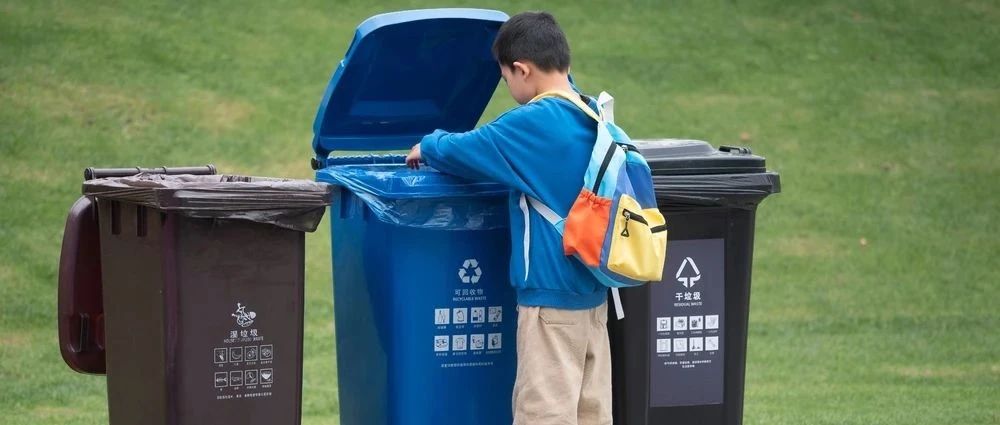
上海的垃圾分类,真的失败了吗?
虎嗅APP· 2025-06-24 14:31
Core Viewpoint - The article argues that the narrative of Shanghai's waste classification failure is misleading, as data and industry feedback indicate that the system has been successful in improving waste management and resource recovery [2][19]. Group 1: Misconceptions about Waste Classification - A popular argument claims that advanced incineration technology renders waste sorting unnecessary, suggesting that sorting is merely a formality [3][4]. - Critics assert that waste sorting efforts are futile because collected waste is often mixed during transportation and processing [3][4]. - The notion of overcapacity in incineration plants is presented as evidence of the failure of the waste classification system [3][4]. Group 2: Evidence of Success - Industry feedback indicates that the quality of recyclable materials from Shanghai has improved significantly since the implementation of waste classification, with stable supply and reduced costs for recyclers [4][5]. - Official data shows that since the implementation of the waste management regulations in July 2019, the daily collection of recyclable materials has increased from approximately 4,000 tons to over 7,973 tons by 2024 [9]. - The amount of dry waste collected daily has decreased from 21,500 tons in 2018 to 17,200 tons in 2024, indicating a reduction in waste needing incineration [9][10]. Group 3: Understanding Incineration Plant Capacity - The phenomenon of incineration plants being underutilized is attributed to a successful reduction in the total amount of waste requiring incineration, rather than a failure of the classification system [7][10]. - The increase in incineration capacity from 13,300 tons per day to 28,000 tons per day reflects proactive planning to achieve "zero landfill" goals [11][10]. - The reduction in "other waste" is a direct result of effective waste sorting, which has led to a significant decrease in the volume of waste sent for incineration [10][11]. Group 4: Importance of Waste Sorting - Waste sorting is essential for providing high-quality fuel for incineration, as mixed waste can lead to inefficiencies and increased pollution [14][15]. - Proper sorting enhances the calorific value of waste, making incineration more efficient and environmentally friendly [14][15]. - The establishment of a comprehensive waste sorting system in Shanghai has improved the overall waste management process, countering claims of widespread mixing of sorted waste [15][16]. Group 5: Future Considerations - The article suggests that while current waste sorting efforts are necessary, future technological advancements may provide more efficient solutions for waste management [21][24]. - Innovations such as AI-based sorting robots and biodegradable materials could eventually reduce the need for manual sorting [22][23]. - The transition to these advanced technologies may take time, highlighting the importance of maintaining current waste management practices in the interim [24][25].