
垃圾分类

Search documents
深度调查丨垃圾焚烧厂“吃不饱”引关注,垃圾真的不够烧了吗?
证券时报· 2026-03-23 14:31
Core Viewpoint - The article discusses the current situation of waste incineration plants in China, highlighting a paradox where many plants are facing a shortage of waste to process despite the increasing number of facilities. This has led to competition for waste and even purchasing waste in some regions [1][9]. Group 1: Industry Overview - As of 2024, there are over 1,000 waste incineration plants in China, with more than 2,000 incineration furnaces, yet many are struggling to maintain adequate waste supply [1][10]. - The overall capacity utilization rate of waste incineration plants in China is approximately 63.22%, which is below the national standard of 70% [5][10]. - There are significant regional disparities in capacity utilization, with some provinces like Xinjiang and Sichuan exceeding 80%, while others like Guangdong and Hainan are below 60% [5][7]. Group 2: Causes of Waste Shortage - The shortage of waste is attributed to several factors, including improved incineration technology and a surge in the construction of incineration plants, leading to an oversupply situation [10][11]. - The introduction of the BOT model and government subsidies in the early 2000s attracted many companies to the waste incineration sector, resulting in rapid growth from 2012 to 2019 [11][12]. Group 3: Market Dynamics - The industry is experiencing a shift towards competition for existing waste, with a decline in new project approvals and investments in recent years [11][12]. - Leading companies in the sector are consolidating their positions, while smaller firms are facing increasing challenges [11][12]. Group 4: Impact of Waste Classification - The implementation of waste classification policies has reduced the volume of waste available for incineration, although it has increased the processing of organic waste [13][14]. - Experts argue that waste classification remains essential for the efficient operation of incineration plants, as unclassified waste can negatively impact incineration efficiency [13][14]. Group 5: Innovative Solutions - Companies are exploring new business models, such as heat and power generation, to enhance revenue and mitigate risks associated with waste shortages [16][17]. - There is a growing trend of expanding services to rural areas and international markets, particularly in Southeast Asia, to secure additional waste sources [17][18].

垃圾分类,从我做起!这份分类指南请收好
Xin Lang Cai Jing· 2026-02-28 03:44
Core Viewpoint - The article provides a comprehensive guide on waste classification, emphasizing the importance of sorting waste into categories such as recyclable materials, hazardous waste, kitchen waste, and other waste types to promote environmental sustainability [1][26]. Group 1: Waste Classification Methods - The article outlines two primary methods for waste classification: a three-category system (recyclable materials, hazardous waste, and other waste) and a four-category system (adding kitchen waste) [3]. - Local authorities are encouraged to adapt the classification categories based on regional needs, but hazardous waste must be classified strictly [3]. Group 2: Types of Recyclable Materials - Common recyclable materials include paper products (books, newspapers, packaging paper), plastics (bottles, containers), and glass items (bottles, jars) [4][6]. - Specific guidelines for recycling include bundling paper products and ensuring that containers are clean and empty before disposal [9]. Group 3: Hazardous Waste - Hazardous waste includes items such as fluorescent light tubes, batteries, and household chemicals [10][11]. - Proper disposal methods for hazardous waste are highlighted, including packaging to prevent the release of harmful substances [17]. Group 4: Kitchen Waste - Kitchen waste consists of food scraps, vegetable peels, and other organic materials [18][19]. - The article encourages the separation of wet and dry waste and emphasizes the importance of keeping kitchen waste containers covered to avoid environmental contamination [20]. Group 5: Other Waste - Other waste includes contaminated items such as used napkins, diapers, and food containers that cannot be recycled [21][22]. - The classification of these items as other waste is due to their lack of recycling value [23]. Group 6: Waste Management Systems - The article describes the waste management process, including collection, transportation, and processing of different waste types [26]. - Recyclable materials are directed to sorting centers, while hazardous waste is sent to specialized treatment facilities [26].
垃圾分类成新春文明新风尚
Xin Lang Cai Jing· 2026-02-27 22:32
Group 1 - The core idea of the article emphasizes the commitment of Tongzhou District's urban management committee to maintain cleanliness and effective waste classification during the Spring Festival, achieving a total of 238.61 tons of recyclable materials collected [1][2] - The urban management committee implemented a comprehensive approach focusing on five key areas: classification checks, facility upgrades, transportation assurance, safety control, and volunteer support, ensuring a clean and orderly environment for residents [1] - During the holiday period, the pressure for recyclable material collection increased, prompting the committee to enhance operational efficiency by coordinating with companies like Tongzhou Jinghuan and "Love Recycling" to optimize transportation and establish a 24-hour emergency response mechanism [1] Group 2 - The urban management committee conducted four special inspections on the safety production and operational guarantees of the recycling industry, focusing on fire safety, equipment operation, and the proper stacking of recyclable materials [2] - A total of 5,146 volunteers participated in community service, contributing 14,535 hours to guide residents in correctly sorting and disposing of recyclable materials, thereby promoting a green and low-carbon lifestyle [2] - The committee achieved a 100% rectification rate by addressing 2,391 issues identified during inspections of 239 residential areas, reinforcing the importance of proper waste classification among residents [1][2]
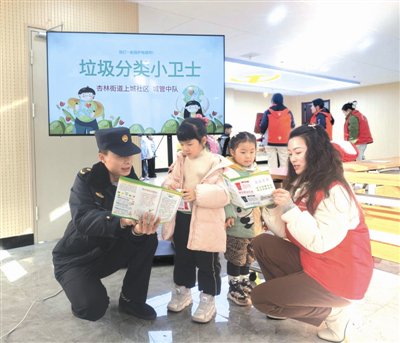
小手拉大手,垃圾分类从“新时尚”到“好习惯”
Xin Lang Cai Jing· 2026-02-26 16:38
Group 1 - The core idea of the articles is the promotion of waste sorting and environmental awareness among children and families in Hefei, transforming it from a government initiative into a community practice [2][3] Group 2 - In Hefei's Luyang District, children are engaged in waste sorting education through interactive activities led by environmental teams, fostering a sense of responsibility towards waste management [2] - The community of Bagou organized a themed event during the winter break, educating youth on the importance of recycling and proper waste disposal, highlighting the environmental impact of waste [2] - The "Seed Plan" in Yaohai Community includes a parent-child environmental practice activity, where families participate in cleaning efforts and are incentivized through a tracking system for proper waste disposal [3] - Advanced technologies such as AI visual recognition and aerial imaging are being integrated into Hefei's waste management system, with 63 smart waste disposal stations and 2,889 intelligent recycling cabinets established [3] - The city aims to transition all 4,985 waste disposal points to smart systems, enhancing real-time monitoring and data collection on waste disposal behaviors [3]
通州区梨园镇:一对母女的“志愿接力”
Bei Jing Ri Bao Ke Hu Duan· 2026-02-25 07:20
Core Viewpoint - The article highlights the dedication and impact of a mother-daughter duo, Xiaowen Min and Liu Jingze, who have been actively involved in community volunteer work, showcasing the spirit of service and love in their neighborhood [1][6]. Group 1: Volunteer Contributions - Xiaowen Min, known as the "Ace Aunt," has been a key figure in the community for over ten years, actively participating in various volunteer activities and serving as a mediator in neighborhood disputes [2][4]. - Liu Jingze, recently retired, has followed in her mother's footsteps, joining the community volunteer team and emphasizing the joy of helping others through her involvement [4][5]. - Together, they have initiated community programs, such as a civilized dog-keeping campaign, which has effectively raised awareness among residents [3][6]. Group 2: Community Impact - The mother-daughter team has become a symbol of trust and admiration within the community, with residents expressing appreciation for their commitment and the warmth they bring [6][7]. - Their efforts have not only fostered a sense of community but have also inspired more residents to engage in volunteer work, thereby enhancing the overall spirit of cooperation and mutual support [6][7]. - The duo's long-term dedication has contributed significantly to the cultural and social fabric of the community, promoting values of kindness, responsibility, and progress [7].
青塔街道开展“旧物焕新、分类同行”创意手工活动
Xin Lang Cai Jing· 2026-02-09 11:00
Core Idea - The article highlights a creative recycling event organized in the Qingtai Street area, where children participated in a hands-on activity to repurpose old materials, promoting environmental awareness and the importance of waste classification. Group 1: Event Overview - A creative handcraft activity titled "Old Items Renewed, Classification Together" took place in the Chang'an New City First Community, focusing on transforming waste materials into new creations [1] - The event began with a quiz on waste classification, where volunteers explained the standards and common misconceptions regarding recyclable and non-recyclable waste [3] Group 2: Creative Handcraft Session - Community staff presented collected old felt cloth, keychains, and scrap materials to the children, allowing them to engage in hands-on crafting [5] - Children actively participated in creating unique multifunctional calendars, showcasing their creativity and understanding of recycling [7] Group 3: Educational Impact - The activity served as a practical experience to make waste classification enjoyable, blending handcrafting with environmental education [9] - It emphasized the idea that what is considered "waste" can be valuable resources when repurposed, fostering a sense of accomplishment among the children [7][9]
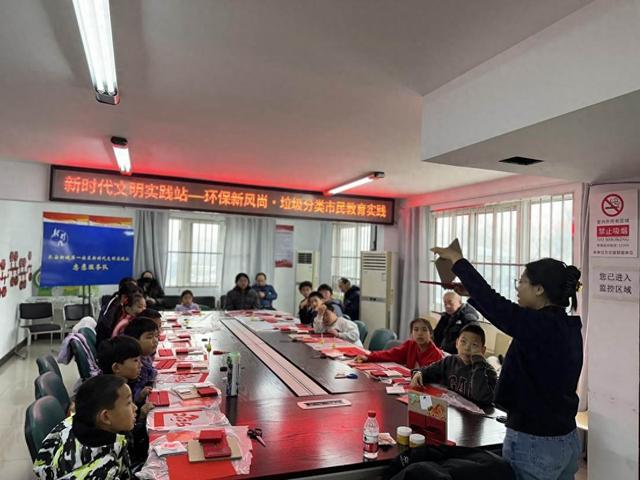
南京溧水和凤践行垃圾分类 共建美丽家园
Xin Lang Cai Jing· 2026-02-07 11:31
Group 1 - The core theme of the event is "Practicing Waste Classification to Build a Beautiful Home," aimed at promoting environmental awareness and green living among community residents [1] - The event involved collaboration between local property management, city management teams, volunteers, and the public to engage residents in waste classification education [1][3] - Interactive activities such as a spinning wheel game and waste classification chess were organized to make learning about waste sorting enjoyable and memorable for participants [3] Group 2 - The event successfully increased residents' awareness and participation in waste classification through a combination of informative talks and engaging experiences [5] - Future plans include ongoing diverse promotional activities to deepen the understanding of waste classification concepts and encourage residents to adopt proactive and accurate waste sorting habits [5]
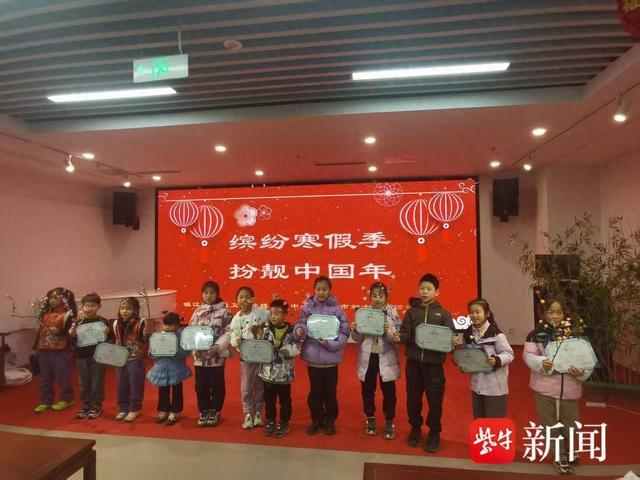
趣味宣讲 + 黏土创作,镇江环卫与妇儿中心联动开展寒假垃圾分类主题活动
Xin Lang Cai Jing· 2026-02-06 10:41
Group 1 - The core idea of the article is the organization of a themed activity titled "Colorful Winter Vacation Season, Beautifying Chinese New Year" by the Zhenjiang Environmental Sanitation Management Service Center and the Zhenjiang Women and Children's Activity Center to educate students on waste classification through engaging methods [1][5] Group 2 - The event included three main activities: a fun classroom on waste classification, an interactive game called "Exploring Classification," and a handcraft session for making clay New Year flowers [3] - During the interactive game, students learned to identify different types of waste by matching them with corresponding categories using a blind box method, enhancing their understanding of waste classification [3] - The handcraft session allowed children to create colorful flowers from clay and other materials, fostering creativity and hands-on skills while reinforcing the concept that "waste is a resource misplaced" [5] Group 3 - A participating parent praised the innovative design of the activity, noting that it effectively taught children about waste classification while also enhancing their aesthetic appreciation and practical skills [5] - The Zhenjiang Environmental Sanitation Management Service Center plans to strengthen collaboration with schools and communities to promote environmental education and create a network that encourages participation in waste classification [5]
垃圾分类站“上岗” 昔日污水异味消除
Xin Lang Cai Jing· 2026-02-05 17:12
Core Insights - The article highlights the transformation of a previously unsightly open garbage dump into a modern, organized waste sorting station in Hefei City, which has been operational since November last year [1][2] - The new waste management system effectively addresses the waste disposal and collection challenges faced by hundreds of nearby businesses, processing an average of 123 bins of garbage daily [1][2] Group 1: Infrastructure and Operations - The waste sorting station covers an area of 204 square meters and is equipped with modern facilities to enhance waste management efficiency [1] - The station operates on a model of "timely collection, centralized transportation, and classified processing," ensuring that waste is collected and managed effectively [1] - Daily operations include six dedicated collections of the 123 bins of waste generated, ensuring a clean and hygienic environment [2] Group 2: Community Impact - The service area includes 798 office users and 1,339 street and commercial merchants, promoting unified waste collection and classified storage within the district [2] - The implementation of the new waste management system has significantly improved the surrounding environment, eliminating unpleasant odors and wastewater issues [2] - The enhanced cleanliness and organization of the waste disposal point have positively impacted the comfort and convenience experienced by both merchants and residents [2]
南京建邺城管持续推动餐饮行业垃圾分类提质增效
Yang Zi Wan Bao Wang· 2026-02-05 10:19
Core Viewpoint - The article highlights the efforts of Nanjing's Jianye District to enhance waste classification in the restaurant sector, focusing on compliance and education to improve waste management practices [1][2]. Group 1: Actions Taken - The Jianye Urban Management Team conducted a special inspection focusing on over 30 restaurants to promote proper waste classification and reduce waste generation [1]. - A "net-style" inspection approach was implemented, ensuring comprehensive coverage of the area, particularly in densely populated restaurant zones [1][2]. Group 2: Key Focus Areas - The inspection emphasized two main aspects: standardized waste bin configuration and normalized disposal operations, requiring restaurants to set up bins for four categories: kitchen waste, recyclables, other waste, and hazardous waste [2]. - Most restaurants showed strong awareness of waste classification, but some smaller establishments faced issues such as insufficient bin numbers and improper waste separation [2]. Group 3: Improvement and Future Plans - After a week of concentrated supervision, the waste classification accuracy among restaurants significantly improved, leading to better overall sanitation [2]. - The Urban Management Team plans to implement a closed-loop mechanism of "inspection-guidance-follow-up" to ensure ongoing compliance and shift the mindset of merchants from "I have to classify" to "I want to classify" [2].