
城堡破坏者

Search documents
伊朗出手 监控石油“咽喉”通道!伊立巨幅画暗指美航母被炸:配文“煽风者将得到风暴”!
Mei Ri Jing Ji Xin Wen· 2026-01-28 00:03
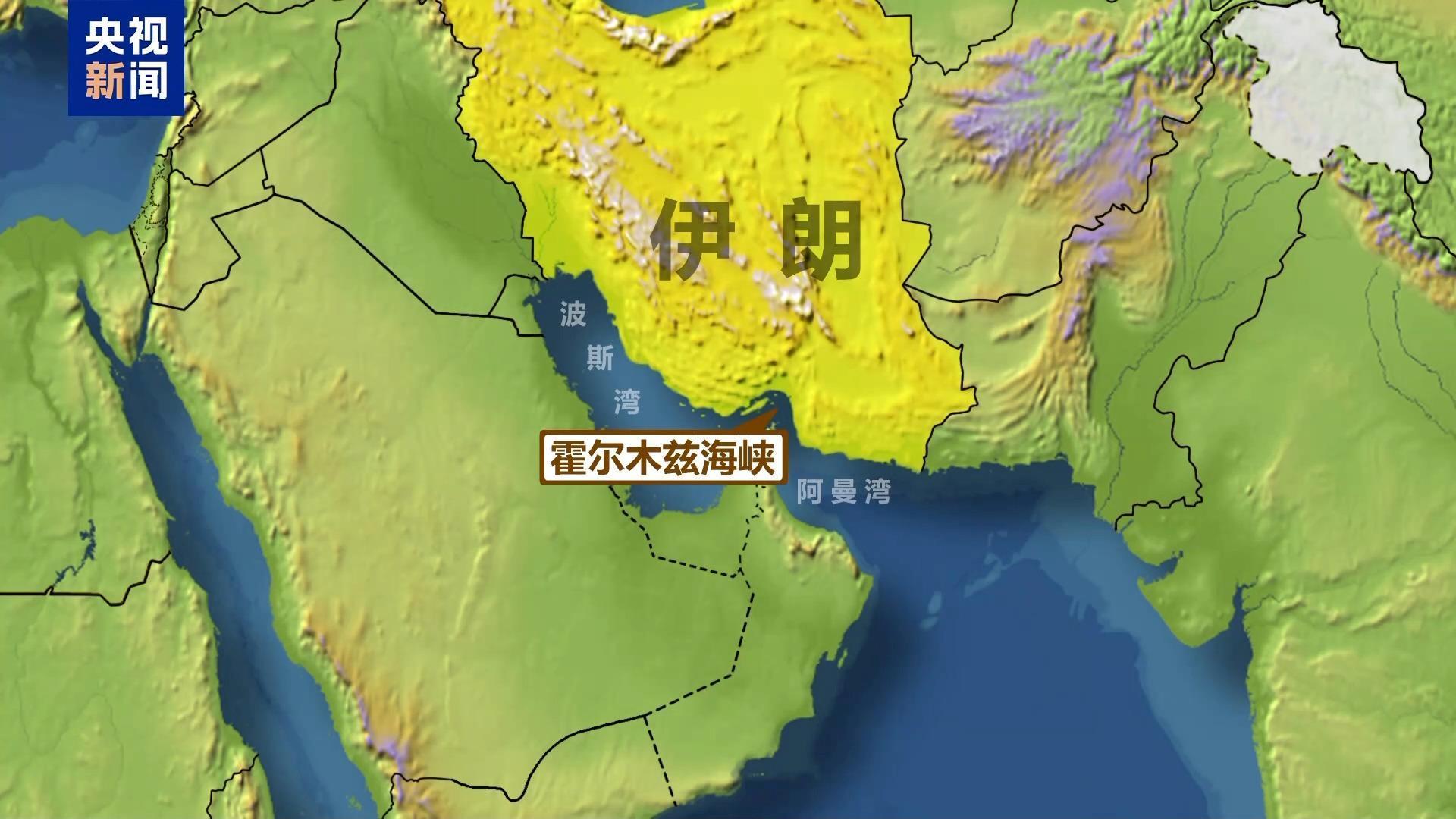
Group 1 - Iran's control over the Strait of Hormuz has evolved into a fully intelligent monitoring system, allowing Tehran to oversee all maritime activities and determine the passage of vessels under different flags [1] - The Strait of Hormuz is a critical maritime route, connecting the Gulf of Oman and the Persian Gulf, through which approximately one-third of global seaborne oil trade passes [1] - Iran's military readiness is emphasized, with statements indicating that any use of neighboring countries' territories against Iran will be considered hostile [1] Group 2 - The U.S. aircraft carrier Abraham Lincoln has entered the Middle East waters, joining the U.S. Fifth Fleet, indicating a potential military presence in the region [4] - Iran has warned that it will respond decisively if war is imposed upon it, with a focus on military preparedness and monitoring developments closely [6] - Iran possesses a significant arsenal of medium and long-range missiles, as well as drones, which could be utilized in military actions, particularly in the context of potential conflicts with Israel [7] Group 3 - Diplomatic efforts between Iran and Qatar are ongoing, with both foreign ministers discussing the importance of cooperation and regional stability [8][9] - Recent geopolitical tensions have contributed to a rise in international oil prices, with light crude oil futures increasing by $1.76 to $62.39 per barrel, and Brent crude rising by $1.98 to $67.57 per barrel [11][12]

美国航母就位 伊朗如何破局
Xin Lang Cai Jing· 2026-01-27 17:52
Core Viewpoint - The situation between the U.S. and Iran is escalating, with the U.S. military increasing its presence in the Middle East, while Iran prepares to respond to potential military actions. Military Mobilization - The U.S. has deployed the USS Abraham Lincoln aircraft carrier strike group to the Central Command area, which covers the Middle East, and it is expected to be positioned in the Oman Gulf or northern Arabian Sea within days [2] - The USS Abraham Lincoln can carry approximately 90 aircraft, including F-35 stealth fighters and F/A-18 fighter jets, and its strike group includes three destroyers equipped with Tomahawk cruise missiles [2] - Additional U.S. naval assets include two destroyers in the Gulf and three littoral combat ships stationed in Bahrain, along with F-15E fighter jets deployed to enhance combat readiness [3] Iran's Response - Iran has declared a state of "maximum readiness" and warned that any U.S. attack would target American bases in the region [4] - Iran's ballistic missile capabilities are considered among the most advanced in the Middle East, with the ability to reach all U.S. bases in the area [4] - Iran is also leveraging its drone capabilities to threaten U.S. naval vessels, including the USS Abraham Lincoln [5] Diplomatic Efforts - Iran is actively seeking international support to maintain regional peace and stability, with its foreign minister engaging in discussions with high-level officials from multiple countries [5] - Regional countries, including Saudi Arabia and Qatar, are advocating for diplomatic solutions and urging the U.S. to exercise restraint [6] Potential Developments - The U.S. maintains that diplomacy remains an option, despite military preparations, indicating a strategic caution regarding potential military action against Iran [7] - Experts suggest that any U.S. military action could have significant repercussions, including impacts on global energy markets and potential retaliatory actions from Iranian-aligned groups [7] - There is speculation that the U.S. may prefer limited military strikes rather than a full-scale war, aiming to pressure Iran back to negotiations [7]
伊朗:“航母被炸”,警告美国!
中国能源报· 2026-01-27 14:38
Core Viewpoint - The article discusses the escalating tensions between the U.S. and Iran, highlighting military movements and threats from both sides, particularly focusing on the deployment of the U.S. aircraft carrier Abraham Lincoln to the Middle East and Iran's warnings of retaliation if war is imposed upon them [1][2]. Group 1: Military Movements - The U.S. Navy's Abraham Lincoln carrier strike group has entered the Middle East waters, joining the U.S. Fifth Fleet, indicating a significant military presence in the region [1]. - The U.S. Central Command confirmed the carrier's presence in the Indian Ocean, although it did not specify any immediate military actions against Iran [1]. - President Trump mentioned that the U.S. naval fleet near Iran is larger than that near Venezuela, emphasizing the military readiness while also stating that diplomacy remains an option [2]. Group 2: Iran's Response - Iran's Foreign Ministry spokesperson warned that any imposed war would lead to a response that would make aggressors "regret" their actions, indicating a strong defensive posture [2]. - A large propaganda mural in Tehran depicted a U.S. aircraft carrier being destroyed, symbolizing Iran's defiance and warning against U.S. aggression, with the caption "The instigator will face the storm" [1][4]. - Iran possesses a significant arsenal of medium and long-range missiles, as well as drones, which could be utilized in military actions, particularly in the context of potential conflicts with Israel [4].

国际观察|美国航母“就位” 伊朗如何“破局”
Xin Hua She· 2026-01-27 05:01
Core Viewpoint - The situation between the United States and Iran is escalating, with the U.S. military increasing its presence in the Middle East, particularly with the deployment of the USS Abraham Lincoln aircraft carrier strike group, while Iran prepares to respond to any potential aggression [1][2]. Military Mobilization - The USS Abraham Lincoln strike group has entered the Central Command area, with expectations to be deployed to the Gulf region soon, capable of launching military operations within one to two days if ordered by the White House [1][2]. - The U.S. has additional naval assets in the Gulf, including two destroyers and three littoral combat ships, along with F-15E fighter jets deployed to enhance combat readiness [2]. - Military analysts suggest that the U.S. has various options for attacking Iran, including cruise missiles launched from surface ships and submarines, as well as air-to-ground missiles from aircraft and drones [2]. Iran's Response Strategies - Iran has declared a state of "maximum readiness" and warned that any U.S. attack would result in retaliation against U.S. military bases in the region [3]. - Iran's ballistic missile capabilities are considered advanced, with the ability to target U.S. bases across the Middle East, and it has successfully tested several missile types in recent conflicts [3][4]. Diplomatic Efforts - Iran is actively seeking international support and has engaged in discussions with various countries to emphasize the importance of regional peace and stability [5]. - The Iranian government is also focused on stabilizing domestic conditions and maintaining unity among its populace while addressing economic concerns [5]. Future Developments - Despite military escalations, the U.S. administration has indicated that diplomatic options remain on the table, with strategic concerns about potential repercussions on global energy supplies and regional stability [6]. - Experts suggest that any U.S. military action may be limited in scope, aimed at pressuring Iran to return to negotiations rather than initiating a full-scale war [6]. - Ongoing diplomatic efforts are being made to facilitate communication between the U.S. and Iran, although there are concerns about the possibility of sudden military actions during periods of apparent calm [6]. Regional and International Reactions - Regional countries and the international community have expressed opposition to foreign interference in Iran's internal affairs, advocating for dialogue to resolve tensions [7].