基层医疗服务

Search documents
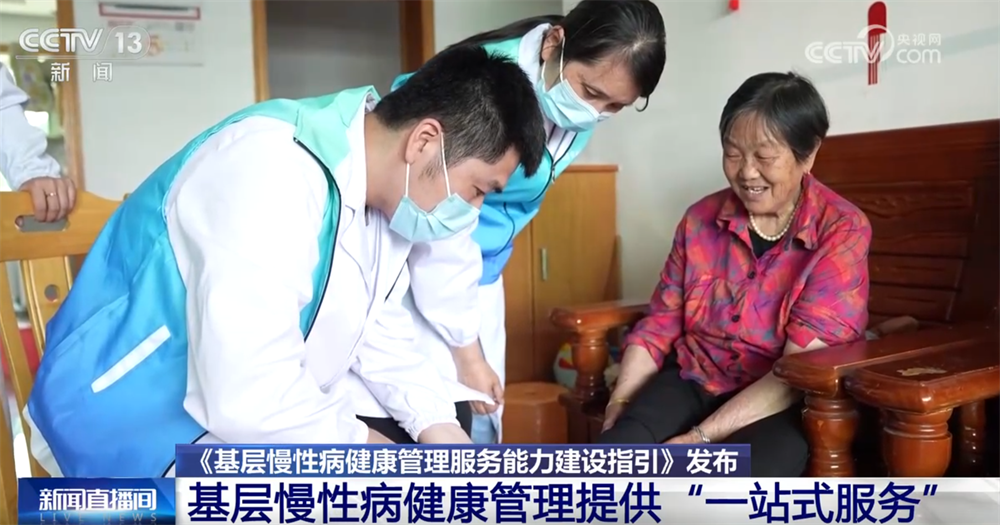
“为居民提供更贴心的健康服务”
Xin Lang Cai Jing· 2026-02-24 18:20
Core Viewpoint - The article highlights the efforts of a healthcare professional in providing free health check-ups to residents, emphasizing the importance of early diagnosis and treatment in improving community health outcomes [2][4]. Group 1: Community Health Initiatives - The healthcare professional conducted free blood sugar tests for residents, demonstrating a commitment to community health [2]. - A total of 57 residents' health information was registered using the "Smart Cabin" app, showcasing the integration of technology in healthcare services [2]. - The community health initiative is part of a broader effort to enhance the healthcare system, with a focus on early detection and treatment of health issues [4]. Group 2: Healthcare System Improvements - The healthcare system has seen significant advancements, with a focus on a comprehensive service model that includes "Party Building + Family Doctor Contracts + Grid Services," achieving a signing rate of over 97% for key populations [4]. - The goal for the new year includes refining health records and ensuring accurate management of chronic diseases such as hypertension and diabetes [4]. - The healthcare professional aims to increase community engagement through free clinics and health lectures, making health concepts more accessible to residents [4].

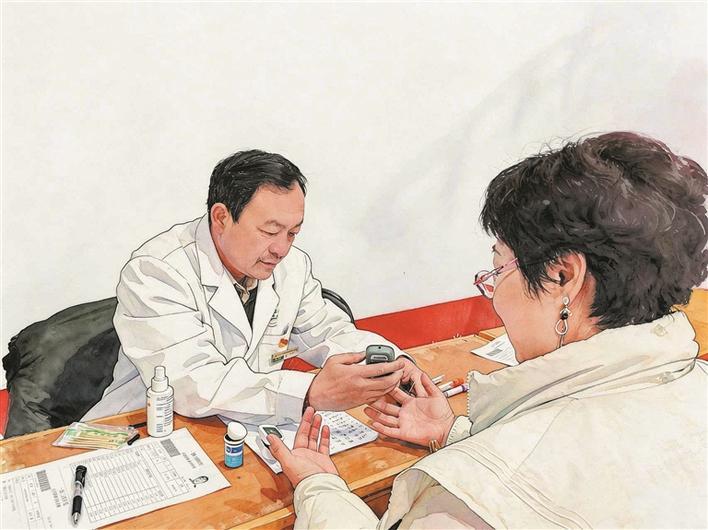
海南全省基层医疗卫生机构实现便民门诊全覆盖
Hai Nan Ri Bao· 2026-02-16 03:14
Core Viewpoint - The article highlights the implementation of a unified 1 yuan consultation fee for convenient outpatient services across all grassroots medical and health institutions in Hainan Province, aimed at providing efficient and low-cost medical services to the public [1] Group 1: Service Implementation - All township hospitals, community health service centers, and village clinics in Hainan have established convenient outpatient services, ensuring full coverage [1] - The service is designed primarily for stable patients requiring follow-up consultations or medication refills, particularly for chronic diseases such as hypertension, diabetes, and cardiovascular conditions [1] Group 2: Cost Structure - The standardized fee for the convenient outpatient service is set at 1 yuan per visit, with no additional diagnostic fees, ensuring transparency and adherence to health insurance policies [1] - This pricing strategy aims to significantly reduce the economic burden on patients seeking medical care [1]
亚马逊药房将把当日达配送服务扩展至美国约4500个城镇
Xin Lang Cai Jing· 2026-02-11 11:18
Core Insights - Amazon Pharmacy is set to expand its same-day prescription delivery service to approximately 4,500 towns across the U.S. by the end of this year, adding nearly 2,000 new communities [1][2] - The expansion will include states such as Idaho and Massachusetts [1][2] - Amazon launched its pharmacy delivery service in 2018 through the acquisition of PillPack [1][2] - In October of last year, Amazon partnered with WeightWatchers to deliver medications, including GLP-1 weight loss injections, to its members [1][2] - In December, Amazon began offering prescription services for common medications through the electronic service terminals of its One Medical primary care facilities, which it acquired in 2023 [1][2] - Patients can access basic and urgent care services at One Medical for an annual subscription fee of $199 [1][2]

一封表扬信 见证基层医疗的温暖力量
Xin Lang Cai Jing· 2026-02-02 22:11
Core Viewpoint - The article highlights the positive impact of the free annual health check-ups for seniors at the Chaotian Palace Community Health Service Center, emphasizing the warmth and care provided by the medical staff, which fosters a sense of community and gratitude among the elderly participants [1][2][3]. Group 1: Community Health Services - The Chaotian Palace Community Health Service Center offers free annual health check-ups for residents aged 65 and above, which is seen as a vital public health service and a cherished event for the elderly community [2]. - The center's staff provides warm and attentive service, guiding seniors through the check-up process and ensuring a welcoming environment [2][3]. Group 2: Patient Experience - After the health check-up, the center provides a complimentary "heartwarming breakfast" for the seniors, which enhances their overall experience and appreciation for the service [3]. - A resident, Mr. Hong, expressed gratitude for the free health check-up and breakfast, reflecting the community's positive sentiment towards public health policies and local healthcare services [3]. Group 3: Community Engagement - The article narrates an incident where Mr. Hong shared a spare egg with a fellow elderly person in need, illustrating the ripple effect of kindness initiated by the community health service [4][5]. - The act of sharing and caring among community members reinforces the idea that warmth and compassion can be transmitted, creating a supportive environment [5].
医者仁心护耄耋 基层医疗显担当
Xin Lang Cai Jing· 2026-01-19 17:08
Core Viewpoint - The article highlights the exemplary care provided by the medical team at the Jiangbei New District Community Health Service Center in Nanjing, showcasing their dedication and effective treatment strategies for elderly patients with complex health issues, particularly during the winter season [1][4][6]. Group 1: Patient Care and Treatment - The medical team quickly assembled a specialized care team to address the complex health conditions of a 93-year-old patient, including chronic obstructive pulmonary disease, hypertension, and heart failure, implementing a comprehensive intervention strategy [2][3]. - Continuous monitoring and 24-hour care were provided, ensuring immediate response to any changes in the patient's condition, which included managing oxygen saturation and addressing emotional needs [3][6]. - The patient’s recovery was attributed to the collaborative efforts of the medical staff, who not only focused on physical health but also provided emotional support, leading to a successful discharge [3][4]. Group 2: Community Trust and Service Model - The choice of the community health service center by the patient reflects the trust built over years, demonstrating the center's capability to handle complex cases effectively, thus fulfilling the ideal of tiered medical care [4][5]. - The center emphasizes a shift from merely treating diseases to providing holistic care, integrating emotional support and patient-centered services into their medical practice [5][6]. - The recognition received from the patient's family, including the presentation of banners, underscores the community's appreciation for the medical team's commitment and the quality of care provided [1][7].
民生一件事|基层医疗服务提质升级 为居民筑起“家门口”的健康防线
Yang Shi Wang· 2026-01-13 04:29
Group 1 - The core viewpoint of the article highlights the ongoing efforts in Zhejiang to enhance grassroots medical services, enabling residents to access healthcare conveniently within their communities [1][3] - A team of 20 doctors from Taizhou's Jiaojiang District provided home medical services to residents of Dachen Island, addressing the needs of those with limited mobility [1][3] - The integration of provincial, municipal, and district medical experts has led to regular outreach programs, including free clinics and home visits, improving healthcare accessibility for island residents [3] Group 2 - In Ningbo, the establishment of village-level medical services has significantly improved convenience for residents, exemplified by the services available in Tongjia Village [5] - The Tongjia Village health center, set to open in October 2025, will feature various functional areas to cater to common and chronic illnesses [7] - Since 2021, Ningbo has included the renovation and expansion of village medical institutions in its public welfare projects, resulting in the establishment of 364 village medical facilities [9]
一般诊疗费和诊查费有何区别 基层医疗机构诊查费该怎么收?
Xin Lang Cai Jing· 2026-01-04 02:27
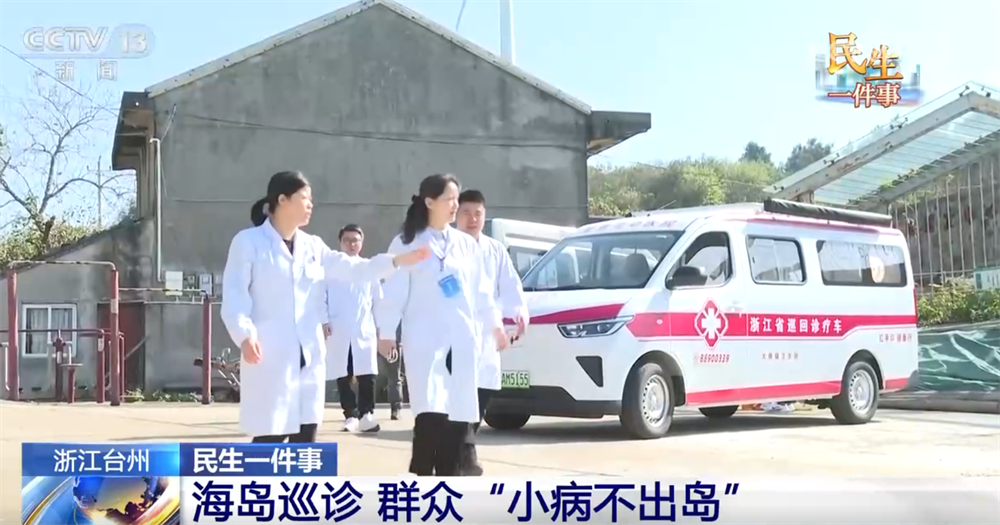
Core Viewpoint - Public grassroots medical institutions are essential components of the basic medical service system, ensuring that residents can access medical services within 15 minutes, with their diagnosis and treatment volume accounting for over 50% of the total [1] Group 1: General Diagnosis Fee - The general diagnosis fee consolidates various costs such as registration, diagnosis, injection, and drug service costs into a single package, applicable only to public grassroots medical institutions [1] - The general diagnosis fee is designed to stabilize the income of grassroots medical institutions, which are limited in their technical capabilities and unable to perform many surgical procedures [1] Group 2: Pricing Determination - The pricing of general diagnosis fees is managed locally, with provincial health insurance bureaus and some city-level governments determining specific price levels, generally around 10 yuan [2] - As of 2024, 24 provinces have implemented the comprehensive diagnosis project guidelines, maintaining a stable price level around 10 yuan for the general diagnosis fee, which is included in the health insurance reimbursement scope [2] Group 3: Fee Collection Policies - General diagnosis fees and outpatient diagnosis fees cannot be charged simultaneously; the local health insurance department decides which fee to apply [3] - If a grassroots medical institution charges a general diagnosis fee, it cannot additionally charge for services included in that fee, such as injection or intravenous infusion fees [3] Group 4: Outpatient Diagnosis Fee Categories - Outpatient diagnosis fees can be categorized into several types, including general outpatient diagnosis, traditional Chinese medicine diagnosis, pharmaceutical outpatient services, and nursing outpatient services [4] - The guidelines also provide for a convenience outpatient diagnosis fee for follow-up patients needing prescriptions, and additional charges may apply for services provided by senior medical professionals [4]
厦门思明:靶向监督解民忧 让群众看病就医更便利
Xin Lang Cai Jing· 2025-12-23 23:14
Core Insights - The article highlights the improvements in healthcare service efficiency in Xiamen's Siming District, particularly through the implementation of "in-clinic settlement" and "smart pharmacy" services, which significantly reduce patient wait times and streamline the medical process [1][2]. Group 1: Healthcare Service Improvements - The introduction of "in-clinic settlement" allows patients to complete payment for medical services directly in the doctor's office, eliminating the need to queue at payment windows, thus reducing the average consultation time by approximately 50% [2]. - The district's health authorities have implemented a series of convenient measures, including family beds and integrated medical and nursing services, to enhance healthcare accessibility for the elderly and chronic disease patients [2]. Group 2: Oversight and Accountability - The district's disciplinary inspection and supervision have led to the identification and resolution of 172 issues related to healthcare service complaints, including problems with medical insurance fund management and unnecessary medical tests [3]. - Ongoing efforts will focus on deepening supervision in the healthcare sector to ensure accountability and improve service quality for the community [3].
国家卫健委等六部门发布指导意见 加强基层特色科室建设
Jing Ji Guan Cha Bao· 2025-12-17 04:28
Core Viewpoint - The National Health Commission and five other departments have issued guidelines to strengthen the construction of specialty departments in grassroots medical and health institutions, aiming to enhance service quality and meet diverse health needs of the population [2][3]. Overall Requirements - The guidelines emphasize the need to implement a strong foundation for medical and health services, improve service quality, and promote the integration of prevention and treatment. By 2030, at least one specialty department should be established in grassroots medical institutions [3]. Key Tasks and Measures - **Strengthening Department Setup**: Grassroots institutions should prioritize departments like pediatrics, gynecology, rehabilitation, and mental health, focusing on common and chronic diseases [4]. - **Staffing Requirements**: Specialty departments should have a well-structured team, including at least two qualified physicians, with one holding a mid-level title or higher [4]. - **Management Standardization**: Institutions must establish management regulations for specialty departments, ensuring proper layout and equipment, and enhancing patient satisfaction [5]. - **Service Capacity Enhancement**: Specialty departments should serve a minimum of 3,000 patients annually, or account for at least 10% of total diagnoses, extending services from treatment to health management [5]. - **Quality Management**: Institutions are required to implement strict quality management systems and utilize technology for monitoring and reporting [6]. - **Support from Medical Alliances**: Urban hospitals are encouraged to provide technical support and training to enhance the capabilities of grassroots specialty departments [7]. Policy Support and Implementation - **Policy Assurance**: Local governments should prioritize the construction of specialty departments as a practical measure to address public health concerns, ensuring resource allocation and infrastructure improvement [8]. - **Organizational Implementation**: Provincial health departments must take responsibility for implementing these guidelines, coordinating with various sectors to establish clear goals and plans [8]. - **Public Awareness**: Efforts should be made to promote the achievements and experiences of grassroots specialty department construction to enhance their recognition and influence [8].
“一站式”“小病不出村、慢病有人管”……多地积极探索基层慢性病管理服务
Yang Shi Wang· 2025-12-08 04:17
Core Insights - The National Health Commission has released guidelines to enhance chronic disease management services at the grassroots level, promoting a "one-stop" integrated service model for chronic disease management [1] - The initiative aims to provide comprehensive services including prevention, diagnosis, health management, referral, and information flow for chronic disease patients [1] Group 1: Implementation and Services - In Liaoning, community health service centers have begun to implement a "one-stop" chronic disease management area, offering full-service from screening to follow-up for residents [3][5] - The management of chronic diseases has evolved from "regular follow-ups" to "real-time monitoring, timely warnings, and proactive interventions" [7] - A total of 14,000 "1+N" family doctor service teams have been established in Liaoning to provide personalized service packages for chronic disease patients [7] Group 2: Regional Strategies - In Fujian, the guidelines suggest that township hospitals and community health service centers establish well-defined zones for chronic disease management, facilitating smooth patient flow [8] - The management approach in Fujian includes "grading, categorizing, marking, and segmenting" chronic disease patients based on their conditions and locations, aiming for localized care [8] - In Youxi County, patients are classified into red, yellow, and green categories based on their health status, with different levels of care provided accordingly [9] Group 3: Family Doctor Services - In Longyan City, family doctor services are being utilized to reduce hospital visits for chronic disease patients, providing continuous health guidance [13] - The signing rate of family doctors among key populations in Longyan County has reached 98.7%, significantly reducing the incidence of complications for hypertension and diabetes patients [15] - The shift from passive disease management to proactive prevention is becoming a reality, with the goal of keeping minor illnesses within villages and ensuring chronic diseases are managed effectively [15]