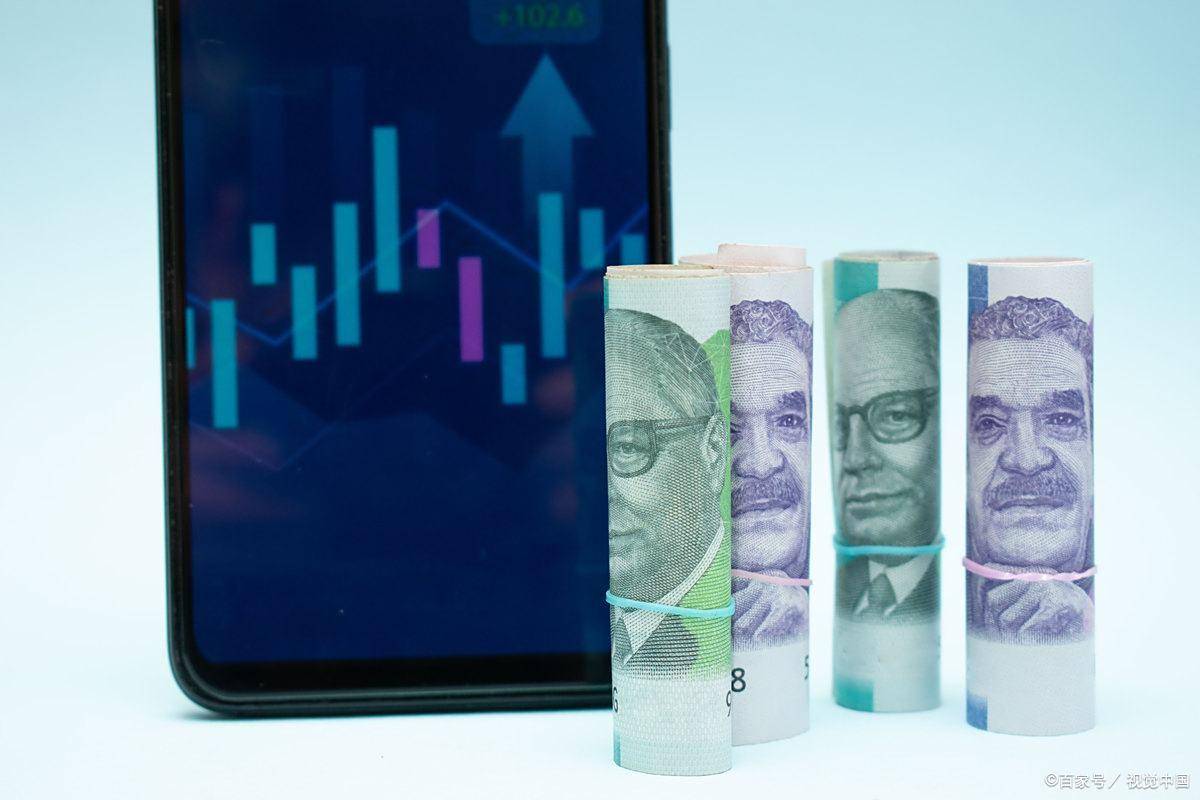
外汇存款

Search documents
韩国就散户涌入美元产品向金融公司发出警告
Xin Lang Cai Jing· 2026-01-13 09:32
Core Viewpoint - The Financial Supervisory Service (FSS) of South Korea is closely monitoring the foreign exchange market and the sales practices of financial companies related to overseas products [1] Group 1: Market Conditions - Despite a recent increase in the Kospi index, there is a vague expectation regarding the rise in the value of overseas assets, leading to an increase in overseas stock investments and sales of foreign currency deposits and insurance products [1] Group 2: Regulatory Actions - The FSS chairman, Lee Chan-jin, warned that foreign exchange volatility could lead to losses and instructed FSS officials to guide financial institutions to avoid excessive marketing and promotional activities [1]
余额飙涨到1035.5亿美元:韩国外汇存款出现3个月首次增长!17.1亿美金入场,汇率保卫战迎来转折?
Sou Hu Cai Jing· 2025-12-30 07:12
Group 1 - The core point of the article is that South Korea's foreign currency deposits increased for the first time in three months, reaching $103.55 billion by the end of November 2025, which is a $1.71 billion increase from October [1][3]. - The increase in foreign currency deposits is attributed mainly to corporate contributions, with corporate foreign currency deposits rising by $1.67 billion to $88.43 billion, while personal deposits only increased by $40 million to $15.11 billion [5][6]. - The rise in deposits coincides with a recovery in exports, particularly in semiconductors, which saw a year-on-year increase of 38.5%, and automotive exports, which grew by 13.7% due to a trade agreement with the U.S. [5][6]. Group 2 - The increase in foreign currency deposits is expected to alleviate liquidity pressure in the foreign exchange market, contributing to South Korea's foreign exchange reserves, which have risen for six consecutive months to $430.66 billion [8]. - Despite the positive short-term effects, the long-term pressure on the Korean won remains, as import prices rose by 2.6% in November due to currency depreciation, marking the largest increase in 19 months [8][10]. - Future trends in foreign currency deposits will depend on two key factors: the sustainability of export growth and the stability of the Korean won's exchange rate [8][10].

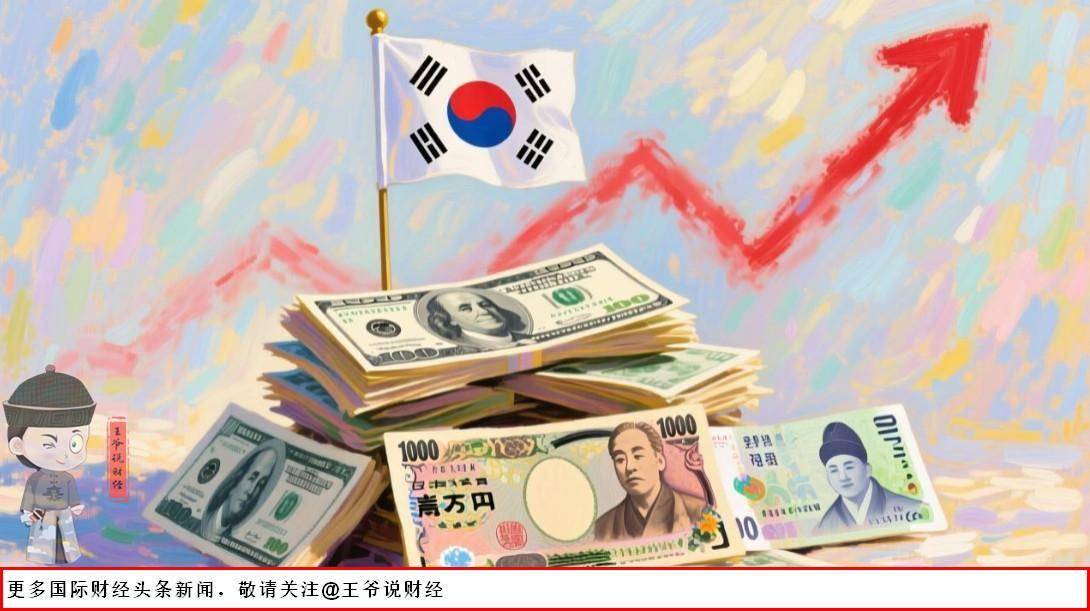
韩国11月外汇存款三个月来首次出现增长
Xin Lang Cai Jing· 2025-12-30 05:18
Core Viewpoint - In November, South Korea's foreign currency deposits experienced growth for the first time in three months, indicating a recovery in the financial sector [1][3]. Group 1: Foreign Currency Deposits - As of the end of November, the balance of residents' foreign currency deposits reached $103.55 billion, an increase of $1.71 billion from the previous month [2][4]. - In August, foreign currency deposits hit a 31-month high, but there was a decline in the following two months due to corporate foreign loan repayments and increased overseas investments by the National Pension Service [2][4]. - The term "residents" includes South Korean citizens, foreigners residing in South Korea for over six months, and foreign companies, excluding interbank deposits [2][4]. Group 2: Breakdown of Deposits - Corporate foreign currency deposits rose by $1.67 billion to $88.43 billion, while personal deposits increased by $40 million to $15.11 billion [2][4]. - In terms of currency, dollar-denominated deposits increased by $1.96 billion to $87.59 billion, while yen deposits decreased by $500 million to $8.13 billion [2][4]. - Euro deposits increased by $390 million to $5.4 billion, whereas renminbi deposits decreased by $100 million to $1.14 billion [2][4].
蒙古国本币存款额同比增长13.8%
Shang Wu Bu Wang Zhan· 2025-11-21 12:29
Core Insights - As of the end of September, Mongolia's local currency deposits reached 23.5 trillion tugriks (approximately 6.595 billion USD), representing a year-on-year increase of 13.8% and a quarter-on-quarter increase of 2% [1] - The composition of deposits includes 86.1% from individuals and 13.9% from businesses [1] - Foreign currency deposits amounted to 5.3 trillion tugriks (approximately 1.487 billion USD), showing a year-on-year growth of 18.4% but a quarter-on-quarter decline of 2.9% [1]
炒外汇违法吗
Sou Hu Cai Jing· 2025-09-15 09:59
Core Viewpoint - The legality of foreign exchange trading in China depends on whether the trading channels are legitimate and compliant with regulations [1][3][7] Group 1: Legal Foreign Exchange Trading Channels - Bank channels allow for real trading without leverage, with an annual limit of $50,000 per person, requiring explanations for any excess [3] - Some investors may trade through compliant overseas platforms, but they must bear the legal risks [3] Group 2: Illegal Foreign Exchange Trading Channels - Underground money houses for currency exchange or fund transfer are illegal and can lead to severe penalties [3] - There are no legal margin trading platforms for foreign exchange in China; all domestic companies promoting high-leverage trading are violating laws [3] - Characteristics of illegal platforms include high leverage (often over 100 times), promises of capital protection, and commission incentives for recruiting others [3] Group 3: Risks of Foreign Exchange Trading - There are significant risks including the potential for platforms to disappear, leading to difficulties in withdrawing funds and possible data forgery [5] - Legal risks include the freezing of bank accounts and potential involvement in illegal operations or pyramid schemes [5] - Trading risks are heightened with high leverage, which can result in total loss of capital [5] Group 4: Safe Participation in Foreign Exchange Trading - Safe methods include bank foreign exchange wealth management, foreign currency deposits, structured deposits, and bank QDII products [5] - To avoid scams, investors should ensure platforms hold valid licenses issued by the state and verify them through regulatory agency websites; any claims of guaranteed profits are likely fraudulent [5]