大族河山花园

Search documents
深圳南山中心区旧改“F4”终迎破局时刻
Mei Ri Jing Ji Xin Wen· 2026-02-09 01:03
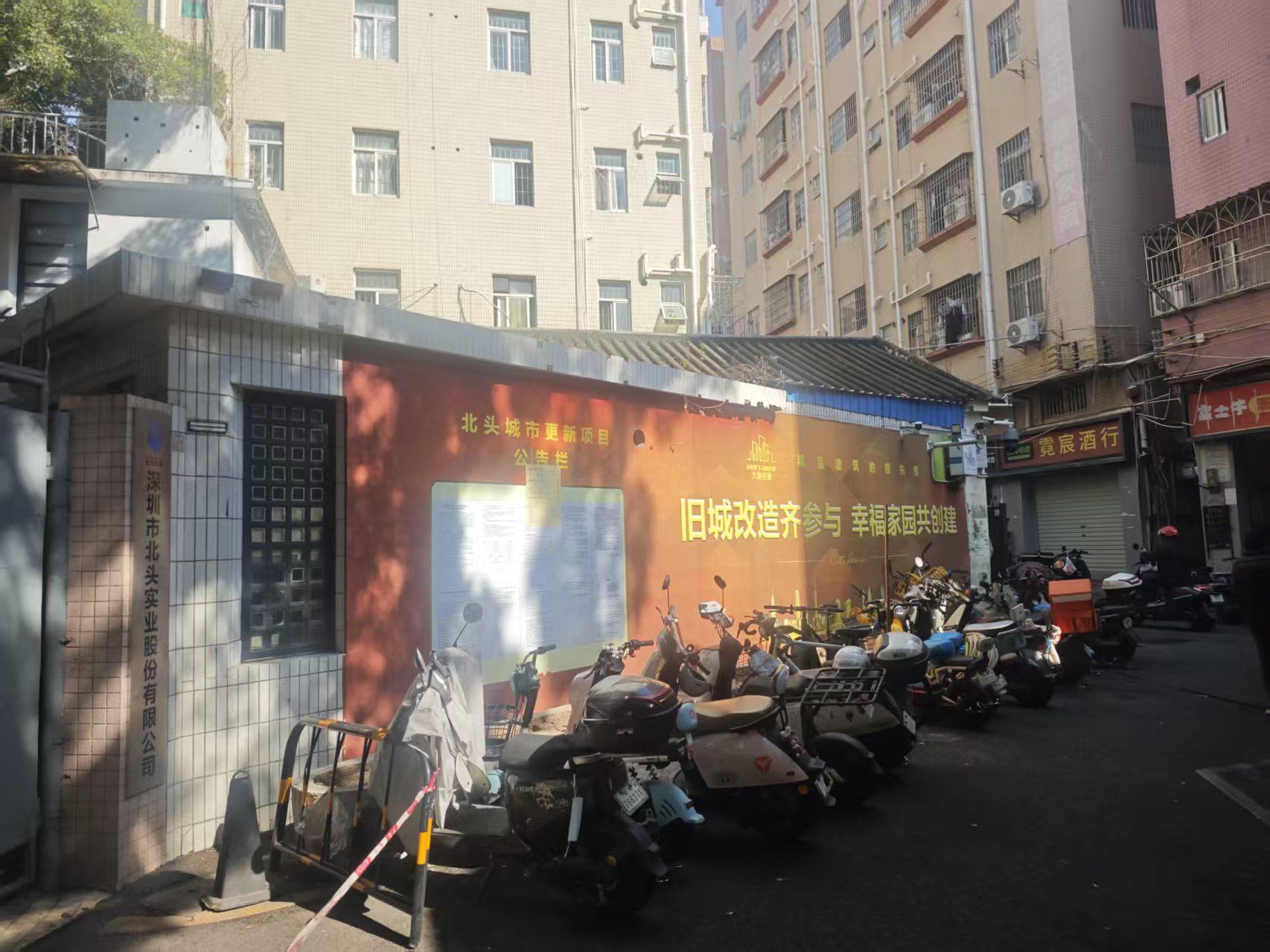
Core Insights - The urban renewal project in Beitou Village, Shenzhen, has entered a critical phase after 18 years of delays, with the government announcing the start of administrative mediation for the first phase of the project [1][4][11] - The project is part of a broader urban renewal initiative in the Nanshan district, which includes other villages known as the "F4" [1][11] - The involvement of Dazhu Holdings Group, a major player in the laser industry, as the developer for the Beitou Village project highlights the trend of cross-industry investment in urban renewal [8][9] Summary by Sections Project Background - Beitou Village's urban renewal was first included in Shenzhen's annual urban renewal plan in 2008, with the special planning approval granted in 2011 [4] - The project faced significant delays due to complex property rights and difficulties in demolition negotiations, leading to a stagnation period of over a decade [4][5] Recent Developments - A turning point occurred in June 2024 when the revised planning for the Beitou Village redevelopment was approved, clearing obstacles for the project to restart [4][6] - The project is now in the administrative mediation phase, indicating government intervention to resolve final signing challenges [4][6] Challenges in Urban Renewal - The project has faced three main challenges: difficulties in demolition negotiations, the need for compensation adjustments due to declining property values, and financing issues amid a cautious market environment [5][6] - The current policy focus in Shenzhen is on "controlling inventory," with a significant number of urban renewal projects awaiting activation, particularly in the Nanshan core area [6] Developer Profile - Dazhu Holdings Group, known for its leadership in the laser industry, has been actively involved in real estate since 2008, leveraging its financial strength and local resources [9] - The company has developed multiple residential and commercial projects in Shenzhen, totaling over 5 million square meters [9] Market Implications - The breakthrough in Beitou Village is expected to influence the overall dynamics of the "F4" urban renewal projects, with some progressing faster than others [11] - The rising property values in the area, with nearby properties listed at nearly 100,000 yuan per square meter, underscore the potential for significant returns from urban renewal initiatives [11]

18年“拉锯战”落幕?深圳南山旧改“F4”破局
Mei Ri Jing Ji Xin Wen· 2026-02-04 12:32
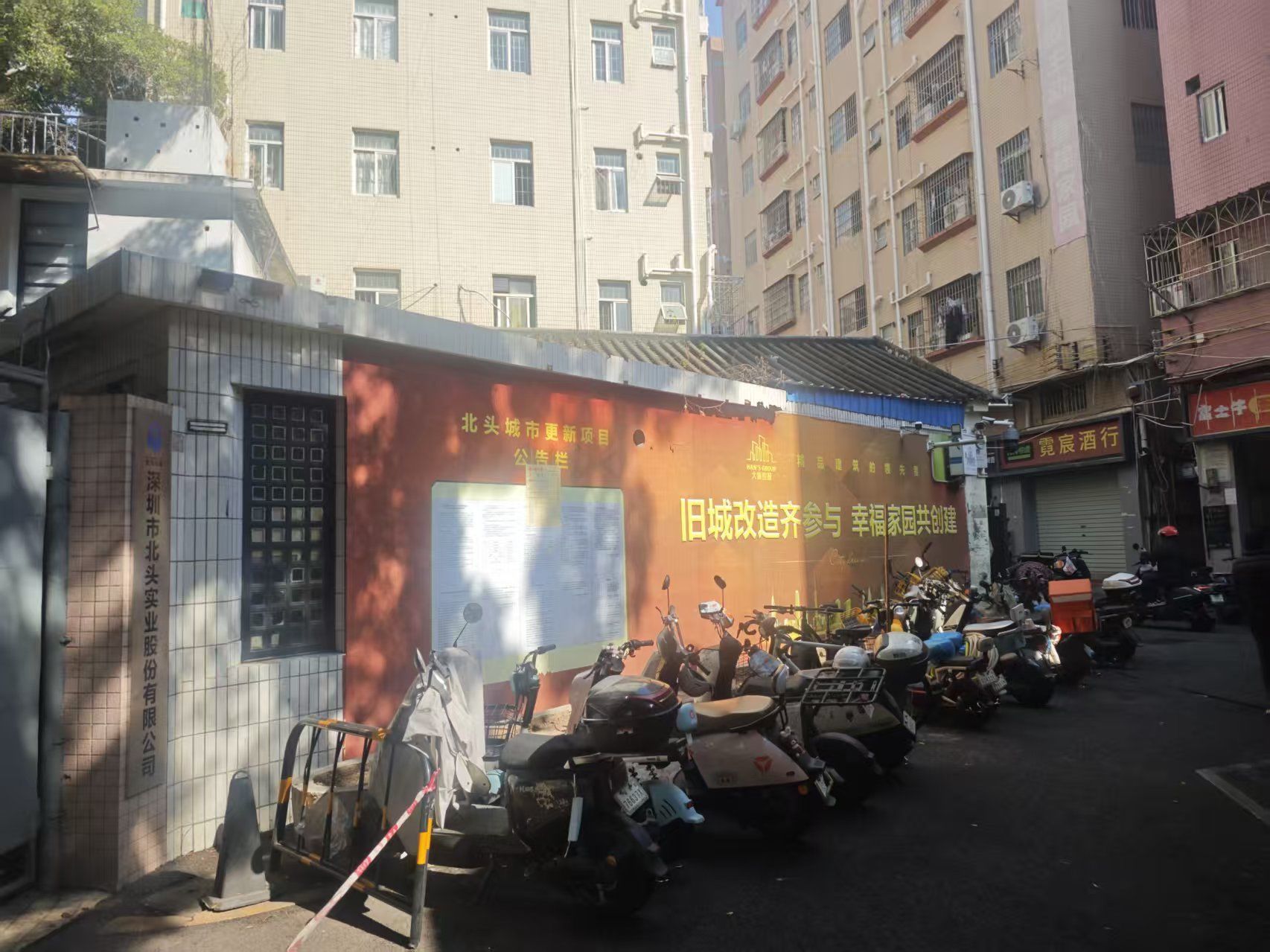
Core Insights - The urban renewal project in Beitou Village, Shenzhen, has entered a critical phase after 18 years of challenges, with the government announcing the start of administrative mediation to resolve final signing issues [1][3][4] Group 1: Project Background - The Beitou Village urban renewal project was first included in Shenzhen's annual urban renewal plan in 2008, with the special planning approval granted in 2011. However, progress stalled for over a decade due to complex property rights and difficulties in demolition coordination [2][3] - A turning point occurred in June 2024 when the revised special planning draft for Beitou Village was approved, clearing obstacles for the project's restart [2] Group 2: Challenges Faced - The project has faced three main challenges: 1. "Demolition difficulties" due to the market-based negotiation model requiring 100% owner agreement, giving "nail households" significant leverage [3] 2. "Difficulty in easing expectations" as property values have declined while villagers' compensation expectations remain high, complicating negotiations [3] 3. "Financing difficulties" as financial institutions have become cautious about investing in complex urban renewal projects during market downturns [3] Group 3: Policy and Market Dynamics - Shenzhen's current policy emphasizes "controlling inventory," with nearly 90 square kilometers of planned demolition areas but only 41% confirmed for implementation, highlighting the urgency to revitalize stagnant projects [4] - The government’s focus on urban renewal in the Nanshan core area is driven by its advantageous market conditions, making it a priority for revitalization efforts [4] Group 4: Developer Insights - Dazhu Holdings, through its subsidiary Jinhui Rong Real Estate, is the actual developer of the Beitou Village project, leveraging its strong financial position and local resources to establish a foothold in Shenzhen's real estate market [6] - Dazhu Holdings has developed multiple residential and commercial projects in Shenzhen, totaling over 5 million square meters, with urban renewal being a core strategic focus [6] Group 5: Market Trends - The overall progress of the "F4" urban renewal projects in Nanshan is uneven, with Beitou Village and Xiangnan Village making rapid advancements, while Dazhu Holdings' other projects, Nanshan Village and Daxin Village, are progressing more slowly [7][8] - The significant increase in property values in the surrounding areas, with second-hand housing prices near 100,000 yuan per square meter, is a key driver for urban renewal initiatives [8] - The Nanshan District government has outlined plans to "steadily advance urban village renovations" in its 2025 work plan, indicating a supportive policy environment for the Beitou Village project [8]

北京金店被挤爆,有人卖金还房贷
3 6 Ke· 2026-02-03 07:25
Core Viewpoint - The long-standing urban renewal project in Beitou Village, Shenzhen, has reached a critical breakthrough after 18 years, entering the administrative mediation phase, which signifies a substantial step towards demolition and redevelopment [1][4]. Group 1: Project Background and Progress - Beitou Village has a history of over 500 years and is a key part of the urban renewal in the Nanshan central area, often referred to as one of the "F4" villages [1]. - The project was first included in Shenzhen's urban renewal plan in 2008, with special planning approved in 2011, but faced significant delays due to complex property rights and difficulties in demolition coordination [4]. - A turning point occurred in June 2024 when the revised special planning for Beitou Village was approved, clearing obstacles for the project's restart [4]. Group 2: Challenges Faced - The project has faced three main challenges: "difficulties in demolition," "balancing interests," and "financing difficulties." The market-driven negotiation model has made it hard to achieve 100% owner agreement, leading to high costs and project stagnation [5]. - The decline in property values has not aligned with villagers' compensation expectations, complicating negotiations further [5]. - Financial institutions have become increasingly cautious about funding complex urban renewal projects, leading to a lack of investment and delayed progress [5]. Group 3: Policy and Market Dynamics - Shenzhen's current policy emphasizes "controlling inventory," with a significant number of urban renewal projects awaiting activation, particularly in the Nanshan core area due to its advantageous market conditions [6]. - The government's intervention in the administrative mediation phase is expected to facilitate the resolution of final signing challenges, indicating a shift towards more proactive policy support for stalled projects [6][12]. Group 4: Developer Involvement - The actual developer for the Beitou Village project is Jinhui Rong Real Estate, a wholly-owned subsidiary of Dazhu Holdings Group, which is well-known for its leadership in the laser industry and has diversified into real estate since 2008 [9][10]. - Dazhu Holdings has successfully developed multiple residential and commercial projects in Shenzhen, with a total development area exceeding 5 million square meters [9]. Group 5: Market Implications - The breakthrough in Beitou Village is expected to influence the overall dynamics of the Nanshan central area's urban renewal, with other projects like Xiangnan Village also showing rapid progress [11]. - The surrounding property prices have significantly increased, with the average listing price for nearby properties reaching nearly 100,000 yuan per square meter, highlighting the potential value of urban renewal [12].