字节跳动即梦

Search documents
技术突变催生新风口!AI视频改写造富规则,关键密码少有人知
Sou Hu Cai Jing· 2025-12-11 13:37
Core Insights - The AI video industry is experiencing rapid growth, with creators earning substantial income and companies achieving significant revenue increases, indicating a lucrative market opportunity [4][6][17] - The technology behind AI video production has improved dramatically, enabling faster and higher-quality video generation, which has contributed to the industry's success [8][10] - Investment in AI video companies is surging, with numerous firms announcing substantial funding rounds, reflecting strong interest from capital markets [7][19] Industry Growth - Creators like KK are leveraging AI video tools to earn tens of thousands of yuan in just six months, surpassing their previous earnings in traditional advertising roles [4] - Leading AI video companies have seen their annual revenues soar from negligible amounts to nearly 1 billion yuan, showcasing the sector's explosive growth [4] - Subscription models for AI video products are being adopted, with monthly fees ranging from 59 yuan to 1399 yuan, indicating a monetization strategy that is already effective [6] Technological Advancements - The evolution of AI video tools has drastically reduced production time from two days to as little as 5 to 30 seconds, with improved quality from 780P to over 1080P [10] - Enhanced features such as natural language interaction and style modification have made AI video production more accessible and efficient for users [10] Challenges and Limitations - Despite the industry's growth, users have identified significant issues, including cumbersome workflows for continuous creation, poor collaboration features, and high error rates in complex movements [13] - Different AI video products have unique strengths and weaknesses, with users expressing a desire for an integrated tool that combines the best features of existing solutions [15] Future Outlook - Industry experts predict that by 2026, AI video will expand into sectors like e-commerce, education, and short films, with the ability to produce movie-quality visuals being a critical factor for success [17][19] - The year 2026 is seen as a pivotal moment for the industry, where companies that fail to innovate may be left behind, emphasizing the importance of early investment and strategic positioning [19]


百元造出科幻大片?AI视频生成“钱景”初显
Bei Jing Ri Bao Ke Hu Duan· 2025-08-23 01:12
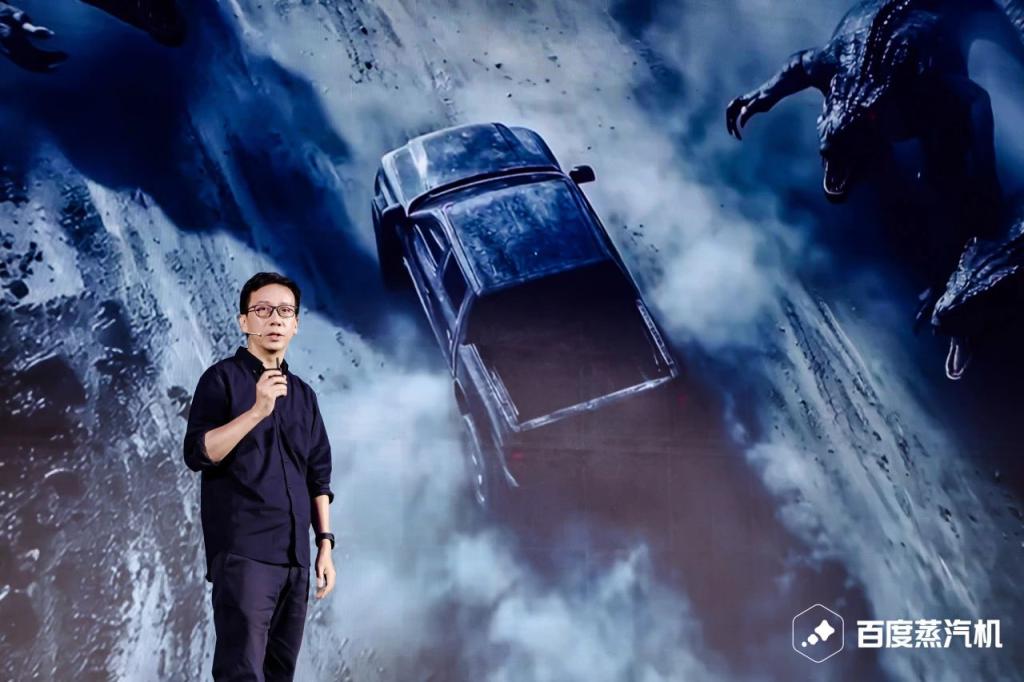
Core Insights - AI video generation technology is rapidly advancing, allowing for the production of high-quality short films at a fraction of the traditional cost, with some projects costing as little as 330.6 RMB [1][5][8] - Major tech companies and startups are competing in the AI video generation space, with various models being developed to enhance content creation efficiency and quality [7][8] Industry Developments - The AI-generated short film "Return" was created by renowned visual effects supervisor Yao Qi, showcasing the capabilities of AI tools in producing cinematic quality content with minimal resources [3][5] - The "Steam Engine" model from Baidu has achieved significant upgrades, enabling integrated audio and video generation, which is a first in the industry [5][8] - The market is witnessing a surge in AI-generated content, with platforms like Douyin reporting high viewership and revenue from AI-generated series [7][8] Financial Performance - Companies like Shengshu Technology reported annual recurring revenue exceeding 20 million USD (approximately 140 million RMB) within eight months of launching their video model [7] - Kuaishou's revenue from its AI tool exceeded 250 million RMB in Q2, a significant increase from 150 million RMB in Q1 [7] Market Trends - The use of AI-generated content is reshaping the industry landscape, with a reported 393.9% year-on-year increase in usage time for AI-generated content [8] - Baidu views its AI video generation model as a key driver for enhancing overall ecosystem engagement, with a notable increase in AI-generated content in search results [8] Technical Challenges - Despite rapid advancements, AI video generation still faces technical limitations, particularly in producing longer videos and achieving real-time generation [10][11] - Current models primarily generate short clips, and significant breakthroughs in technology are required to support industrial-scale production of longer content [11]