
安卓XR系统

Search documents
三星、谷歌、高通联手交出安卓XR答卷,但空间计算的未来还得看苹果
Tai Mei Ti A P P· 2025-10-24 01:45
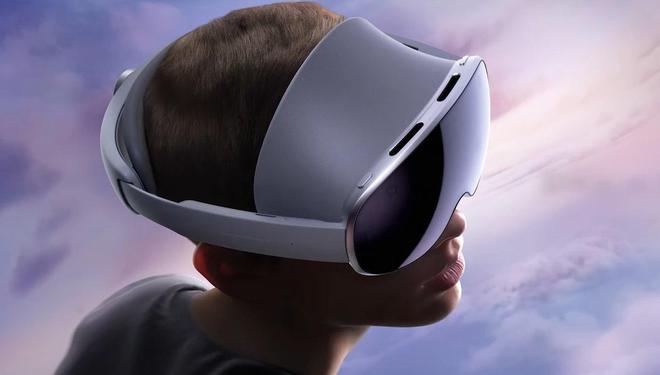
Core Insights - Apple CEO Tim Cook stated that Apple Vision Pro aims to usher in the era of spatial computing, similar to how the iPhone revolutionized mobile computing, but it has not yet achieved the same level of impact as the iPhone [1] - Despite Apple Vision Pro's current status, the spatial computing market is gaining traction with multiple companies, including Samsung and Google, accelerating their investments in this area [1][2] Group 1: Product Comparisons - Samsung and Qualcomm, in collaboration with Google, have launched the Galaxy XR headset, which is the first to feature the Android XR operating system, positioning it as a lighter and more affordable alternative to Apple Vision Pro [2][4] - The Galaxy XR headset weighs 545g compared to Apple Vision Pro's 750-800g, and it features a Snapdragon XR2+ Gen 2 chip, 16GB RAM, and 256GB storage, with a battery life of 2.5 hours [7][14] - The Galaxy XR integrates AI capabilities and Google's Gemini system, allowing users to run all Android applications and utilize AI for enhanced functionality, which Apple Vision Pro currently lacks [8][14] Group 2: Market Dynamics - The launch of Android XR and the Galaxy XR headset marks a significant milestone in the spatial computing era, similar to the introduction of Android smartphones, as it opens the door for more developers to create XR content [15] - Despite the advancements, the XR market remains niche, requiring a larger user base and developer engagement to thrive, as highlighted by a developer's concerns about profitability and user adoption [18][21] - The competition between Apple and the Android XR ecosystem will hinge on the ability to integrate and iterate technology effectively, with Apple currently having an edge in resource mobilization and chip development [20][21]




AR创业者亲述:在美国做中国的事情,成本将暴涨好几倍
Guan Cha Zhe Wang· 2025-08-08 06:52
Core Viewpoint - The AI glasses market is currently booming, with major players like Xiaomi and Alibaba entering the space, while XREAL, a leading AR glasses company, has not yet released its AI glasses, focusing instead on core technological advancements and product differentiation [1][2]. Company Overview - XREAL was founded in 2017 by Xu Chi and Wu Kejian, with nearly 500 employees and over $300 million in funding from investors including Alibaba and Sequoia [2]. - The company has established two optical factories in Wuxi and Kunshan, producing 65% of its components in-house, leveraging China's manufacturing advantages [2]. Market Position - XREAL has been the global sales leader in the AR sector for three consecutive years and ranks second in the global AR/VR market, only behind Meta [1][2]. - The company believes that the hardware still faces challenges in optical display and battery life, predicting that achieving the ideal form will take five years or more [2]. Product Innovations - XREAL recently introduced two products: XREAL One Pro and Project Aura, focusing on spatial display and spatial computing capabilities [6][7]. - The XREAL One Pro features an upgraded optical system with a field of view of 57 degrees, providing an immersive viewing experience [6][7]. - The self-developed X1 chip in the XREAL One series reduces latency to an industry-leading 3 milliseconds, enhancing the user experience [7]. Strategic Partnerships - XREAL has partnered with Google on Project Aura, which aims to create a unified operating system for XR devices, similar to the Android system for smartphones [10]. - This collaboration is expected to address the fragmentation in the XR industry, allowing developers to create applications that can run across various hardware platforms [9][10].

