安琪AnPro酵母蛋白

Search documents
中国人缺蛋白,凭什么怪米饭?
3 6 Ke· 2025-11-25 08:58
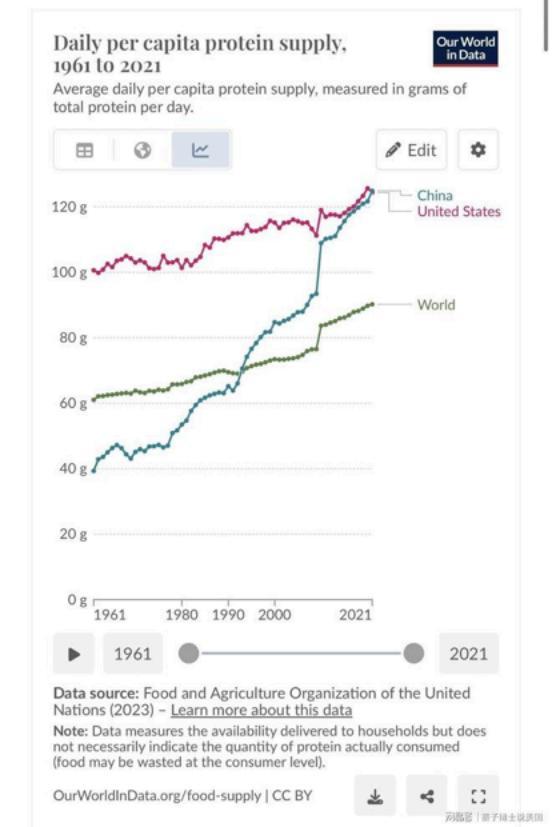
Core Viewpoint - The article discusses the shift of "high-protein" from a niche demand among fitness enthusiasts to a standard dietary requirement for the general population in China, addressing the protein intake issue through advancements in the food industry rather than changing dietary habits [1][17]. Summary by Sections Protein Intake in China - There is a misconception that Chinese people lack protein intake compared to Americans, as recent reports indicated that China's per capita protein supply has surpassed that of the U.S. [3][4]. - Actual per capita protein intake in China is estimated to be around 65-85 grams, which meets recommended standards but still lags behind developed countries [4]. Dietary Habits and Protein Sources - The perceived protein deficiency is attributed more to dietary habits than to a lack of availability, as meat, eggs, and dairy are now more affordable [5]. - Adopting Western dietary patterns is not necessarily a scientific solution, as American diets are high in protein but also in fats and sugars, which may not be suitable for the East Asian population due to lactose intolerance [6][7]. Food Industry Solutions - The article suggests that the solution to protein deficiency lies in advancements in the food industry rather than a complete overhaul of traditional Chinese diets [8]. - Historical examples of successful public health interventions, such as iodized salt, illustrate that nutritional deficiencies can be addressed without altering food preferences [8]. Yeast Protein as a Breakthrough - Yeast protein, derived from yeast cells, contains 40-60% high-quality protein and can be produced sustainably without the need for livestock or large agricultural land [9][10]. - Yeast protein has a complete amino acid profile and a high digestibility rate of 96%, making it a viable alternative to traditional protein sources [10][11]. Integration into Daily Diet - The unique advantage of yeast protein is its ability to be incorporated into various foods without altering their taste, allowing for "invisible" protein enhancement in everyday meals [13][14]. - The market for yeast protein is in its early stages but shows significant growth potential, with Chinese brands beginning to emerge [14][17]. Conclusion - The article concludes that the integration of yeast protein into the food supply can address protein intake issues in China without requiring a change in cultural eating habits, thus fulfilling the ultimate mission of the food industry [17][18].