定价联名款金饰

Search documents
实探丨回收商不敢持金过夜,“一口价”金饰热度提升
证券时报· 2026-01-29 13:00
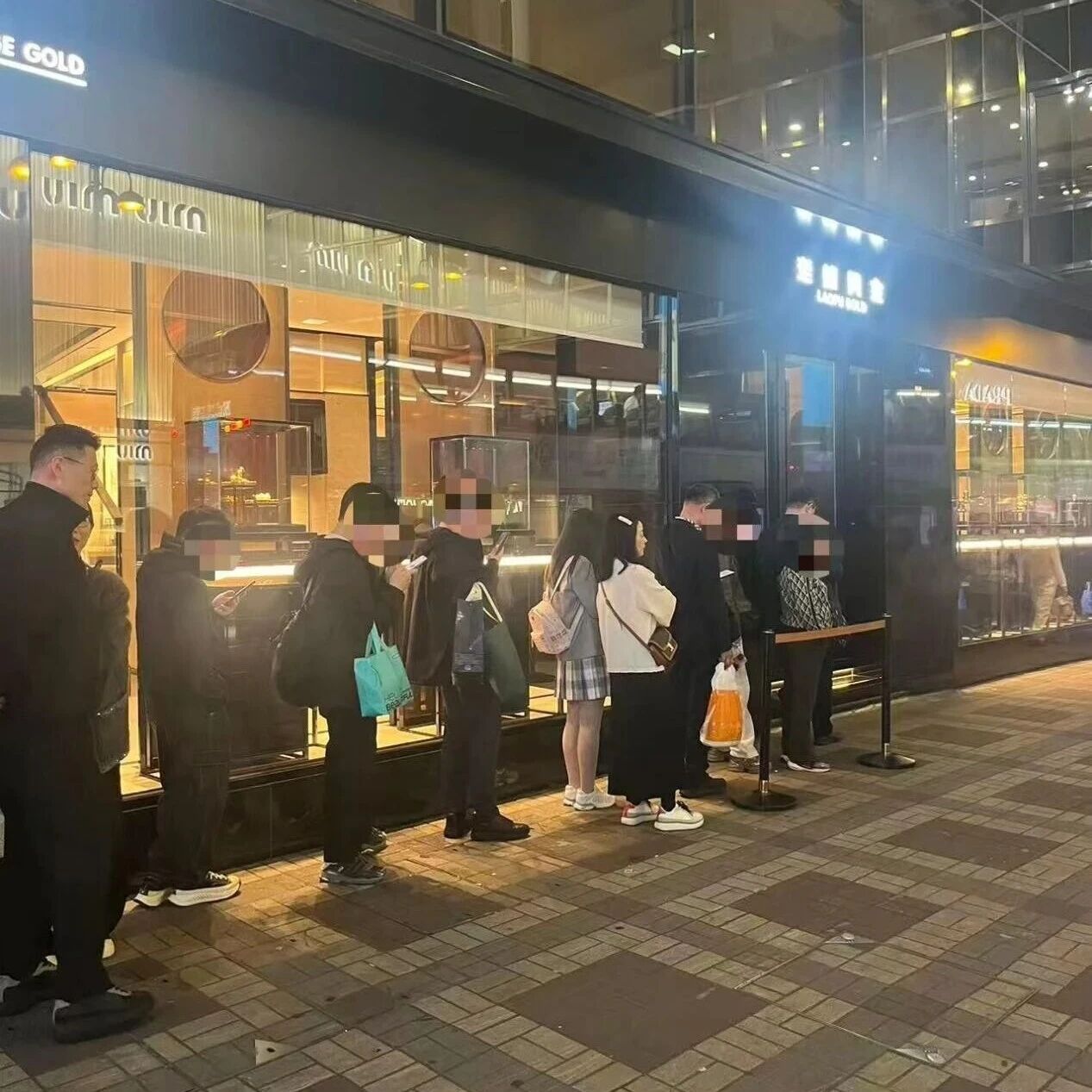
Core Viewpoint - The article highlights the surge in international gold prices and the corresponding increase in gold recycling activities, indicating a strong market response to rising gold values [1][4]. Group 1: Gold Recycling Market - As of January 29, the gold recycling price reached 1223 yuan per gram, a significant increase from under 900 yuan in late October of the previous year, reflecting a dramatic rise in gold prices [4]. - The volume of gold recycling in January saw a month-on-month increase of over 30% compared to December of the previous year, driven by consumers capitalizing on high gold prices [4]. - Merchants are cautious about holding gold overnight due to the volatility in prices, fearing rapid declines that could lead to losses [7]. Group 2: Gold Jewelry Consumption - The World Gold Council reported that gold jewelry consumption in China for Q4 2025 is projected to be 82 tons, a year-on-year decline of 23% and a slight quarter-on-quarter decrease of 3%, marking the weakest performance since 2007 [9]. - Despite the decline in tonnage, the monetary value of gold jewelry consumption in Q4 reached 778 billion yuan, a year-on-year increase of 19%, indicating resilience in value despite lower volume [9]. - The rise in gold prices has led to an increase in the popularity of "fixed-price" gold jewelry, which includes design and craftsmanship in the pricing, making it more appealing to consumers despite higher costs compared to per gram pricing [10][12]. Group 3: Market Trends - Major brands have adjusted prices for "fixed-price" gold jewelry, with increases ranging from 200 to 1500 yuan per item, reflecting the rapid rise in international gold prices [10]. - There is a noticeable trend of consumers preferring "fixed-price" gold jewelry due to its perceived better design and stability in pricing, even as traditional per gram pricing remains prevalent [12]. - Reports indicate that popular gold jewelry items are experiencing stock shortages, with consumers lining up to purchase, demonstrating strong demand in the market [12].

黄金珠宝企业如何谋求发展增量?
Jing Ji Wang· 2026-01-23 02:16
Core Viewpoint - The recent surge in gold prices has led to significant adjustments in the pricing strategies of various gold jewelry brands, with many prices exceeding 1500 yuan per gram, marking a historical high. The industry is undergoing structural changes as companies adapt to these challenges and opportunities through various strategic adjustments [1][2]. Pricing Adjustments - As of January 21, the domestic gold price reached 1506 yuan per gram, with different brands adjusting their prices variably. For instance, Lao Miao's price in Shanghai was 1493 yuan per gram, up by 38 yuan, while Chow Sang Sang's price was 1495 yuan, up by 41 yuan [2]. - The pricing of gold jewelry is primarily influenced by raw material costs, which are tied to real-time quotes from the Shanghai Gold Exchange. Some brands use a "real-time tracking" mechanism for price adjustments, while others may have a delay due to internal approval processes [2][3]. Market Dynamics - Factors influencing gold jewelry prices include brand premium, operational costs, and inventory management. High-end brands tend to have a more stable pricing strategy due to their customer base's lower sensitivity to price fluctuations, while mass-market brands adjust prices more closely to raw material costs to maintain competitiveness [3]. - The rise in international gold prices has prompted some brands to increase prices for fixed-price products, with Chow Sang Sang raising prices on certain items by 200 to 1500 yuan starting January 6 [3]. Sales Performance - The share of fixed-price products has been increasing, becoming a significant growth driver for brands. For example, Chow Tai Fook reported a 59.6% year-on-year increase in retail value for fixed-price jewelry in the last quarter of 2025, contributing 40.1% to total retail value [4]. - Sixi Group reported a 15% same-store sales growth for gold products, with fixed-price products seeing a 17% increase, indicating strong performance despite high base figures [4]. Brand Expansion - Companies are focusing on high-end market positioning as part of their brand transformation strategies. Chow Tai Fook opened a new high-end store in Shanghai and plans to continue expanding in cities like Xiamen and Hangzhou [5]. - China Gold Group is set to open its first high-end stores in Beijing and Shenzhen in 2026, aiming to leverage cultural themes and collaborations to enhance brand value [5]. International Expansion - International expansion is a key strategy for growth among gold jewelry brands. Chow Tai Fook plans to enter the Australian market by mid-2026 and expand in Canada and the Middle East [6]. - Sixi Group is also increasing its overseas presence, targeting a net growth of about 20 stores in international markets by the end of the fiscal year [6]. Challenges and Recommendations - The internationalization of Chinese gold jewelry brands is still in its early stages, characterized by small scale and a focus on Southeast Asia. Brands are advised to adopt a dual strategy of product and platform to enhance their international presence [7]. - Recommendations for brands looking to expand internationally include maintaining a high-end brand image, respecting local cultures, and implementing a unified pricing strategy across markets to ensure success [7].