
寺庙斋饭

Search documents
深入川西南,一不小心穿越到了吴哥窟
3 6 Ke· 2025-10-14 04:03
Core Insights - The article highlights the hidden gem of Hongya, a lesser-known destination in Sichuan, China, which offers unique cultural and natural attractions, making it a favored weekend getaway for Chengdu residents [1][4][10] Group 1: Location and Attractions - Hongya is located 128 kilometers from Chengdu, nestled between Leshan and Ya'an, and is characterized by its low profile yet rich offerings [4][10] - Key attractions include the "God's Table" Wawushan, the largest tabletop mountain in Asia, and the picturesque Yanu Lake, where visitors can enjoy kayaking [10][30][36] - The area is also known for its unique local cuisine, such as hand-made ice powder and herbal spicy hot pot, which distinguishes it from nearby cities [10][78] Group 2: Cultural Significance - The article discusses the historical rivalry between Hongya and Ya'an over the title of "Ya Girl," emphasizing the cultural pride of both regions [10][13] - Hongya's identity is intertwined with the Qingyi River, which has shaped the local culture and landscape, contributing to the region's charm [19][28] - The narrative includes references to local legends and historical anecdotes, such as the establishment of the Qingyi Qiang Kingdom, which adds depth to Hongya's cultural heritage [21][26] Group 3: Culinary Highlights - Hongya is recognized for its distinctive local flavors, including lamb soup and dishes featuring the local pepper, which enhances the culinary experience [71][75] - The article mentions popular local snacks like "Ka Bing" and "Jiang Zhizhong Spicy Beef," which reflect the region's culinary traditions [78]


第一批去寺庙“减脂”的人,胖了11斤
Hu Xiu· 2025-05-27 23:54
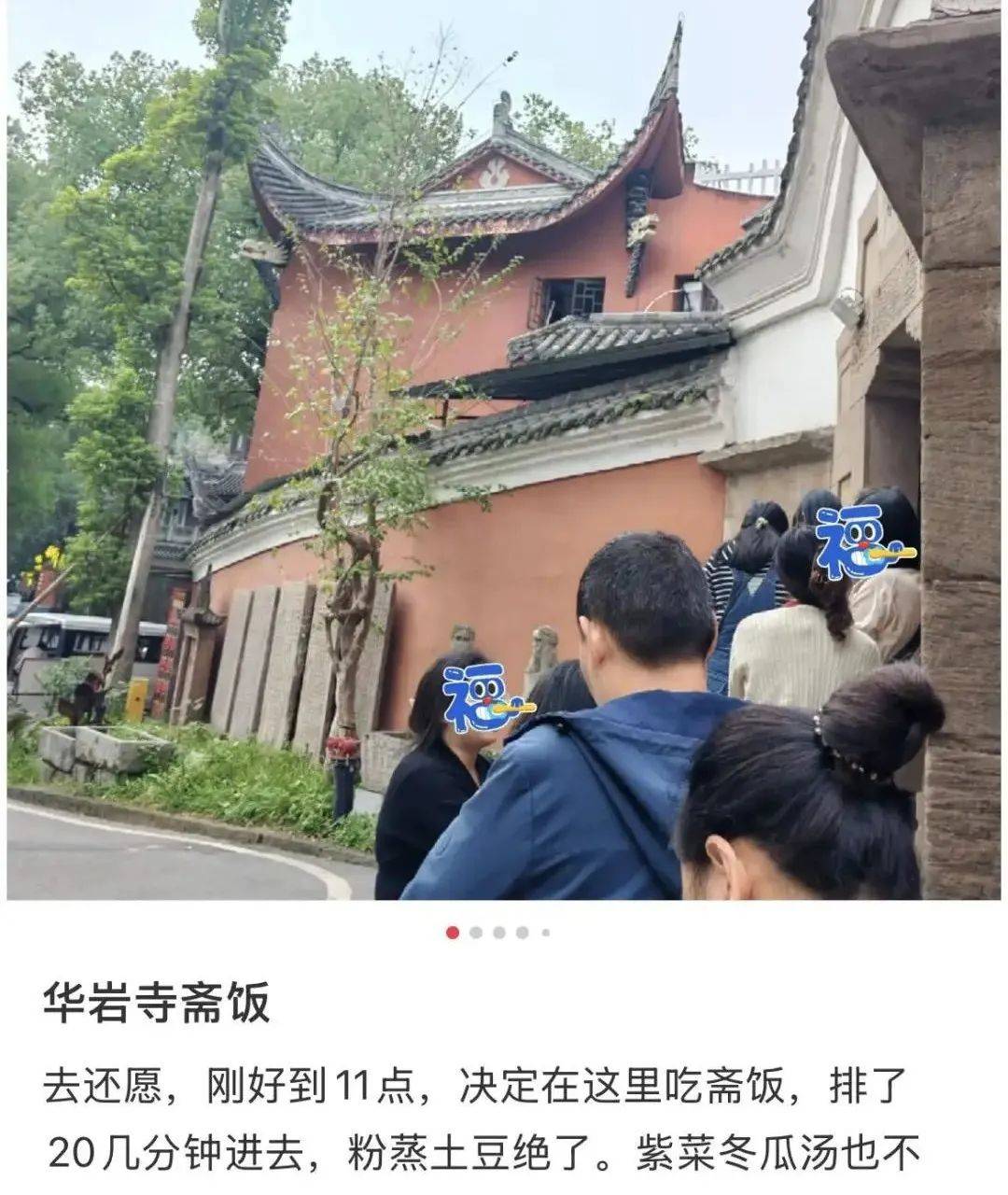
Core Insights - The trend of eating vegetarian meals at temples has gained significant popularity, with many people, including influencers, flocking to these locations for their unique offerings [3][4][6] - Temple vegetarian meals, or "zhai fan," have become a culinary sensation, surpassing traditional restaurants in popularity [5][6][7] - The experience of dining at temples is not just about the food; it also offers a serene atmosphere that enhances the overall dining experience [81][95] Summary by Sections Popularity of Temple Vegetarian Meals - Temple dining has transformed into a trendy activity, with long queues often seen outside temple dining halls, indicating high demand [7][8] - Social media has played a crucial role in promoting temple vegetarian meals, with many users sharing their experiences and recommendations [3][15] Unique Offerings and Experience - Many temples have developed signature dishes, such as the famous vegetarian noodles from Longhua Temple, which have garnered thousands of mentions on social media [22][24] - The affordability of these meals, often priced between 8 to 15 yuan, makes them accessible to a wide audience, contributing to their popularity [37][42] Health and Lifestyle Impact - The shift towards vegetarian meals has led to unexpected weight gain for some individuals, as the meals, while seemingly light, can be calorie-dense due to cooking methods [45][51][63] - The simplicity and wholesome nature of temple meals provide a refreshing alternative to the often complicated and unsatisfactory dining options available in urban settings [78][80] Evolution of Temple Dining - Temples are evolving to include a broader range of food offerings, such as vegetarian buffets, afternoon teas, and specialty snacks, enhancing their appeal [83][86] - The integration of dining with other activities, such as tea drinking and gift shopping, creates a holistic experience for visitors [94][95] Cultural and Emotional Connection - The experience of eating at temples fosters a sense of peace and relaxation, contrasting with the fast-paced urban lifestyle [81][96] - Many individuals express a deep emotional connection to the meals, finding comfort in the simplicity and authenticity of temple cuisine [95][98]
寺庙餐饮,为何能持续走红?
Hu Xiu· 2025-04-24 14:21
Core Insights - The article highlights the trend of young people visiting temples not just for spiritual reasons but also for dining experiences, turning temples into popular food destinations [2][9][11] Group 1: Dining Trends in Temples - Temples have become trendy spots for dining, with vegetarian meals and unique offerings like temple coffee, hot pot, and burgers gaining popularity among young people [2][12][14] - Social media platforms show a significant interest in temple dining, with over 30,000 posts related to "temple vegetarian meals" and more than 200 million views for "temple vegetarian meals" on Douyin [3][4] - Many temples offer free or low-cost vegetarian meals, attracting large crowds, especially on weekends and holidays [8][9] Group 2: Unique Dining Experiences - Young consumers appreciate the ritualistic dining experience in temples, which includes waiting in line, silent eating, and self-cleaning, creating a sense of mindfulness [9][10] - The novelty of dining in a temple setting transforms ordinary vegetarian food into a sought-after experience, with limited-time offerings becoming popular among young diners [10][12] - Specific dishes, such as the "Luohan noodles" at Longhua Temple priced at 15 yuan and the unique vegetarian dishes at Wenshu Monastery, have garnered attention for their taste and presentation [6][7] Group 3: Expansion of Temple Dining Options - The rise of temple coffee shops and other dining options reflects a broader trend of integrating modern dining experiences with traditional temple settings [12][13] - Notable examples include the "Tims" coffee shop opening in a temple, and various temples offering self-service vegetarian hot pots and fast food options like vegetarian burgers and pizzas [13][14] - The combination of Eastern Zen culture with Western dining styles creates a unique and immersive experience for visitors [15]