地方文化

Search documents
三位宿儒笔下的万盛山水
Xin Lang Cai Jing· 2026-02-08 17:26
Core Viewpoint - The articles highlight the historical significance and literary contributions of three local scholars from Wansheng, who documented the region's culture and natural beauty through their writings, particularly focusing on their respective works: "Peach Blossom Bridge Narrative" by Luo Xing, "Sea Cave Record" by Wei Shengxiang, and "Mazi Cave Record" by You Hailong [1][2][3][4][5]. Group 1: Luo Xing and "Peach Blossom Bridge Narrative" - Luo Xing, a prominent scholar from the Qing Dynasty, authored the first county chronicle of Qijiang in just four months, showcasing his literary talent [2]. - His work "Peach Blossom Bridge Narrative" describes the picturesque scenery of Jinlanba, emphasizing its natural beauty and the prosperity of its inhabitants [2][3]. - The narrative reflects the historical context of the area, which has changed significantly over time, with remnants of Luo Xing's writings still present in the region [3]. Group 2: Wei Shengxiang and "Sea Cave Record" - Wei Shengxiang, a notable figure in the late Qing and early Republic periods, contributed to the local literature by writing "Sea Cave Record," which captures the natural beauty of the Haikong Cave [4]. - His writings are characterized by vivid imagery and a deep appreciation for the landscape, which has since undergone significant changes due to historical events [4][5]. - The preservation of Wei Shengxiang's work serves as a valuable historical record of the region's past, particularly during the tumultuous periods of war and development [4]. Group 3: You Hailong and "Mazi Cave Record" - You Hailong, a scholar and public official, documented the Mazi Cave in his work "Mazi Cave Record," focusing on its geographical features and historical significance [5]. - The narrative highlights the cave's strategic importance and its transformation over time, reflecting the socio-political changes in the region [5]. - You Hailong's writings contribute to the understanding of local history and culture, emphasizing the literary heritage of Wansheng [5].
蕴藏在烟火人间的历史与文化
Ren Min Ri Bao Hai Wai Ban· 2025-11-06 01:59
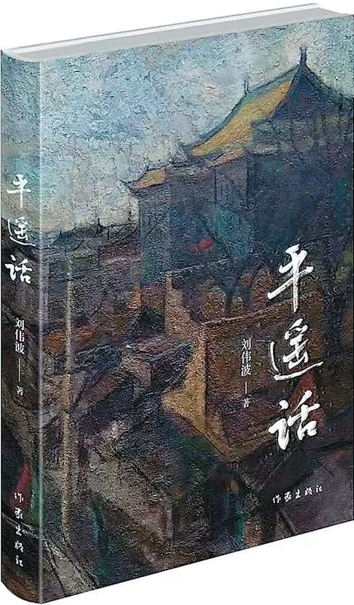
Core Viewpoint - The novel "Pingyao Talk" by Liu Weibao intricately weaves the history and culture of Pingyao, showcasing the lives of three generations through the lens of local dialect and customs, making it a significant cultural narrative [2][4]. Summary by Sections Cultural Significance - "Pingyao Talk" is described as a cultural novel that reflects the author's deep connection to his hometown, using local dialect as a narrative tool to explore family history and local customs [2][3]. Narrative Style - The novel employs a dictionary-style writing approach, which presents a unique challenge in accurately representing local dialects and their cultural significance, while also ensuring narrative fluidity [3][4]. - The author effectively balances the use of local terms with broader linguistic considerations, making the narrative accessible to both local and non-local readers [3]. Character and Plot Development - The protagonist Liu Yuan and his family navigate historical changes, with the narrative style providing a light-hearted yet poignant exploration of their lives, contrasting the weight of their experiences with a sense of ease [4]. - The novel stands out for its comprehensive portrayal of Pingyao's culture through the lens of a single family's experiences, making it a noteworthy contribution to literature about the region [4].

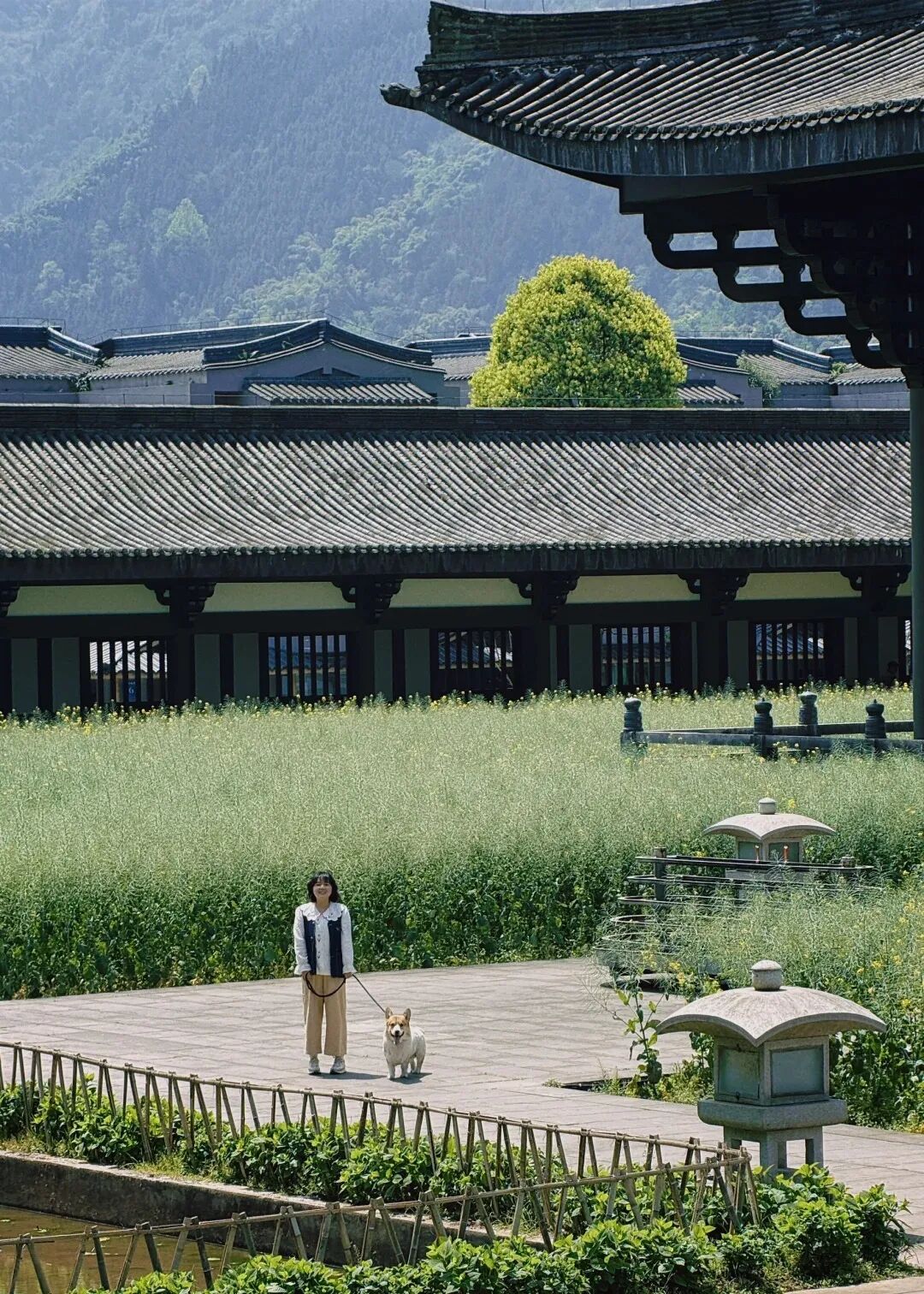
深入川西南,一不小心穿越到了吴哥窟
3 6 Ke· 2025-10-14 04:03
Core Insights - The article highlights the hidden gem of Hongya, a lesser-known destination in Sichuan, China, which offers unique cultural and natural attractions, making it a favored weekend getaway for Chengdu residents [1][4][10] Group 1: Location and Attractions - Hongya is located 128 kilometers from Chengdu, nestled between Leshan and Ya'an, and is characterized by its low profile yet rich offerings [4][10] - Key attractions include the "God's Table" Wawushan, the largest tabletop mountain in Asia, and the picturesque Yanu Lake, where visitors can enjoy kayaking [10][30][36] - The area is also known for its unique local cuisine, such as hand-made ice powder and herbal spicy hot pot, which distinguishes it from nearby cities [10][78] Group 2: Cultural Significance - The article discusses the historical rivalry between Hongya and Ya'an over the title of "Ya Girl," emphasizing the cultural pride of both regions [10][13] - Hongya's identity is intertwined with the Qingyi River, which has shaped the local culture and landscape, contributing to the region's charm [19][28] - The narrative includes references to local legends and historical anecdotes, such as the establishment of the Qingyi Qiang Kingdom, which adds depth to Hongya's cultural heritage [21][26] Group 3: Culinary Highlights - Hongya is recognized for its distinctive local flavors, including lamb soup and dishes featuring the local pepper, which enhances the culinary experience [71][75] - The article mentions popular local snacks like "Ka Bing" and "Jiang Zhizhong Spicy Beef," which reflect the region's culinary traditions [78]
从一条“大广告”到 26 个小镇的细语表达:Telstra 如何用定格动画讲述「连接」的温度?
Jing Ji Guan Cha Bao· 2025-06-18 00:26
Core Insights - Telstra, Australia's largest telecommunications brand, has chosen to convey the meaning of "broad coverage" through 26 micro stop-motion animation shorts dedicated to specific remote towns, rather than using traditional high-volume advertising methods [2][3] Group 1: Brand Strategy - Telstra faced the challenge of being perceived as powerful but lacking in "human touch," often relying on technical jargon and coverage statistics to assert its position as Australia's top network [3] - The brand shifted its focus to underrepresented areas, showcasing the daily lives of remote towns, thus honoring these locations rather than self-promoting [3][4] Group 2: Creative Execution - The 26 shorts utilized stop-motion animation, a labor-intensive craft, with each character inspired by local flora and fauna, showcasing meticulous attention to detail in movements and expressions [4] - The creative team conducted thorough research to accurately recreate the unique landscapes of each area, incorporating local ecological features and cultural nuances into the sets [4][8] Group 3: Authenticity and Engagement - Each character's voice was provided by real residents of the towns, adding authenticity and local humor to the narratives, which transformed the residents into storytellers while positioning the brand in the background [5][8] - The release of these shorts coincided with the Olympics, a time of heightened public attention, allowing Telstra to subtly convey its message of connectivity without leveraging popular athletes or events [7] Group 4: Reception and Impact - The campaign received significant positive feedback, particularly from the represented communities, with residents sharing the shorts on social media and expressing pride in seeing their towns featured [9] - This initiative is noted as one of the few recent examples of integrating stop-motion animation into brand communication at such a scale, celebrated for its emotional depth and craftsmanship [9]