地氯雷他定

Search documents
医院卖34.93元药店19元 同款药为何不同价?
2 1 Shi Ji Jing Ji Bao Dao· 2026-01-16 00:22
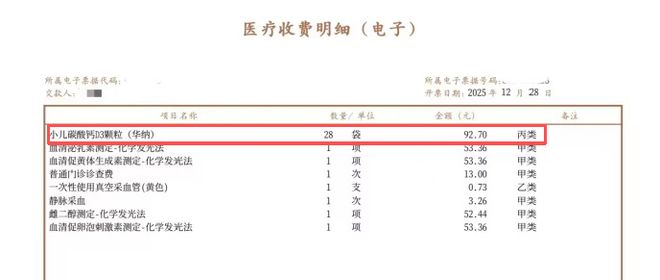
Core Viewpoint - The significant price discrepancies between hospital and retail pharmacy prices for the same medication raise concerns about the effectiveness of centralized procurement policies and the trust in public healthcare systems [2][3]. Price Discrepancies - A specific example highlights that the price of pediatric calcium carbonate D3 granules is 34.93 yuan in a hospital, while the same product is priced at approximately 19 yuan in pharmacies and e-commerce platforms, resulting in a price difference of 15.93 yuan [2]. - The price of the same medication can vary significantly across different sales channels, with instances of hospital prices being higher than retail prices and vice versa [3]. Centralized Procurement Issues - The pediatric calcium carbonate D3 granules were included in centralized procurement in 2022, with a winning bid price of 3.795 yuan per bag, which was further reduced to 2.495 yuan per bag in subsequent procurement rounds [3][4]. - Despite the centralized procurement prices, hospitals are reportedly selling the medication at prices that exceed these rates, indicating a disconnect between procurement prices and actual supply costs [4][6]. Factors Contributing to Price Differences - The pricing discrepancies are attributed to several factors, including the dynamic nature of market conditions, hidden service costs in hospitals, and the competitive pricing strategies of retail pharmacies and e-commerce platforms [6][7]. - Regulatory gaps and insufficient monitoring of real-time prices across different sales channels contribute to the lack of price uniformity [8]. Regulatory Responses - The National Medical Insurance Administration has initiated measures to address price discrepancies, including monitoring and comparing prices across various platforms to ensure compliance with procurement guidelines [10][11]. - Local governments are also implementing stricter regulations to align hospital prices with those of retail pharmacies and e-commerce platforms, emphasizing the need for transparency and fairness in drug pricing [11][12]. Future Directions - Experts suggest that a more transparent pricing mechanism is necessary, potentially resembling e-commerce platforms, to allow for direct price comparisons and foster competition among pharmaceutical companies [12].


调查|医院卖34.93元 药店19元 同款药为何不同价?
2 1 Shi Ji Jing Ji Bao Dao· 2026-01-16 00:20
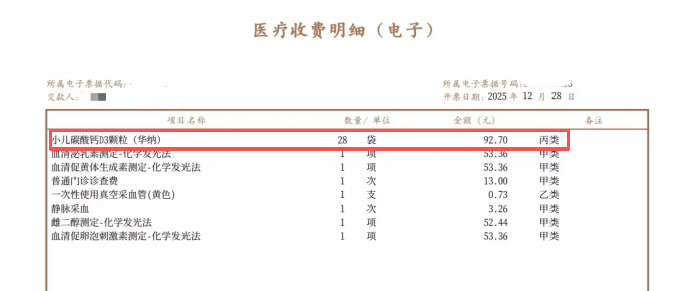
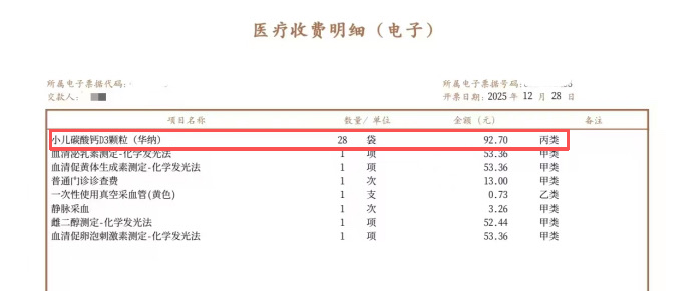
Core Viewpoint - The significant price discrepancies between hospital and retail prices for pediatric calcium D3 granules raise concerns about the effectiveness of centralized procurement policies and public trust in healthcare systems [1][3][8]. Price Discrepancies - Pediatric calcium D3 granules sold in hospitals can be priced at 34.93 yuan for a 14-bag pack, while the same product is available for approximately 19 yuan in pharmacies and e-commerce platforms, resulting in a price difference of 15.93 yuan [1]. - Similar price discrepancies exist for other medications, with examples showing hospital prices exceeding retail prices and vice versa [2]. Centralized Procurement and Pricing - The pediatric calcium D3 granules were included in centralized procurement in 2022, with the winning bid price set at 3.795 yuan per bag, which was later reduced to 2.495 yuan per bag in 2025 [3][4]. - Despite the centralized procurement prices, hospitals are selling the product at prices that deviate from these rates, indicating a disconnect between procurement prices and actual supply costs [3][8]. Factors Contributing to Price Differences - The price differences can be attributed to several factors, including the dynamic nature of market conditions, hidden service costs in hospitals, and the competitive pricing strategies of retail and online pharmacies [9][10]. - Regulatory gaps and the lack of real-time monitoring of drug prices contribute to the persistence of these discrepancies [10][11]. Regulatory Responses - The National Medical Insurance Administration has acknowledged these pricing issues and is working on measures to align hospital prices with those of retail pharmacies and e-commerce platforms [11][13]. - Local governments are also implementing stricter regulations to ensure that procurement prices are consistent with market prices, with penalties for non-compliance [14][15]. Future Directions - Experts suggest that a transparent pricing mechanism similar to e-commerce platforms should be established to allow for better price comparisons and competition among suppliers [17].
价差80%!电商平台卖19元,医院卖34.93元,又一乱象曝光
2 1 Shi Ji Jing Ji Bao Dao· 2026-01-15 15:01
Core Viewpoint - The significant price discrepancies between hospital and retail/e-commerce prices for pediatric calcium D3 granules raise concerns about the effectiveness of centralized procurement policies and public trust in healthcare pricing [1][3][7]. Group 1: Price Discrepancies - Pediatric calcium D3 granules from Hunan Warner Pharmaceutical are priced at 34.93 yuan in a pediatric hospital, while the same product is available for approximately 19 yuan in pharmacies and e-commerce platforms, indicating a price difference of over 80% [1]. - A similar case was reported where a consumer found a vitamin D product priced at 47.4 yuan in a hospital, while the same product was 63 yuan in a retail pharmacy and only 29.8 yuan online [2]. - The price of pediatric calcium D3 granules in hospitals is reportedly higher than the centralized procurement price of 2.495 yuan per bag, which raises questions about the adherence to procurement policies [3][4]. Group 2: Causes of Price Differences - The price discrepancies are attributed to several factors, including the dynamic nature of market conditions, raw material costs, and the potential disconnect between procurement prices and actual supply costs [7][10]. - Public hospitals are expected to follow a zero-markup policy, but actual selling prices may reflect higher supply costs, leading to price deviations from the centralized procurement prices [7][10]. - The lack of timely updates to the listed prices on procurement platforms compared to the competitive pricing in retail and e-commerce markets contributes to these discrepancies [10][11]. Group 3: Regulatory Responses - The National Medical Insurance Administration has initiated actions to compare prices across different sales channels and address any significant discrepancies [14]. - Local governments, such as in Guangdong and Anhui, have implemented rules to ensure that listed prices align with local retail prices and to prompt adjustments when prices exceed a certain threshold [15][16]. - Experts suggest establishing a transparent pricing mechanism that allows for real-time price comparisons across channels to enhance market competition and reduce reliance on administrative controls [17].
价差80%!电商平台卖19元,医院卖34.93元,又一乱象曝光
21世纪经济报道· 2026-01-15 14:56
Core Viewpoint - The article highlights significant price discrepancies between hospital and retail prices for pediatric calcium D3 granules, raising concerns about the effectiveness of centralized procurement policies and the trust in public healthcare systems [1][2][3]. Price Discrepancies - A notable price difference of 80% was reported for pediatric calcium D3 granules, with hospital prices reaching 34.93 yuan compared to 19 yuan in pharmacies and e-commerce platforms [1]. - Similar instances of price variation exist, such as a consumer purchasing a vitamin D product for 47.4 yuan in a hospital, while the same product was priced at 63 yuan in a retail pharmacy and only 29.8 yuan online [2]. Centralized Procurement Issues - Pediatric calcium D3 granules were included in centralized procurement in 2022, with the winning bid price set at 3.795 yuan per bag, which was later reduced to 2.495 yuan per bag in 2025 [3]. - Despite the procurement price, the hospital price for the same product was found to be 3.31 yuan per bag, indicating a discrepancy between procurement prices and actual hospital pricing [3]. Factors Contributing to Price Differences - Experts suggest that the price differences stem from various factors, including the dynamic nature of market conditions, raw material costs, and the potential disconnect between procurement prices and actual supply costs [6]. - Public hospitals are expected to adhere to a zero-markup policy, but the actual supply prices may lead to higher hospital prices if they exceed the procurement prices [6]. Regulatory Responses - The National Medical Insurance Administration has initiated measures to address price discrepancies, including monitoring and adjusting prices to align with market conditions [15][16]. - Local governments have also implemented regulations to ensure that procurement prices remain comparable to retail prices, with specific thresholds for price adjustments [16]. Future Directions - Experts advocate for a transparent pricing mechanism that allows for real-time price comparisons across different sales channels, aiming to reduce reliance on administrative controls and enhance market competition [18].

科学与健康|新药来了!检查结果认了!——2026年这些医疗新政将惠及你我
Xin Hua She· 2026-01-01 09:31
Group 1: Healthcare Policy Changes - The new national medical insurance drug list has been implemented, adding 114 new drugs covering areas such as cancer, diabetes, and rare diseases [2] - A new batch of centralized procurement for 55 drugs will take place in February 2026, including medications for allergies, diabetes, and antiviral treatments [2] - The National Health Commission mandates that primary healthcare institutions must be equipped with at least five categories of antihypertensive drugs starting March 1, 2026 [3] Group 2: Maternal and Child Health Initiatives - From July 1, 2025, Jiangsu Province has implemented a "zero out-of-pocket" policy for hospital deliveries, with the aim to expand this benefit nationwide by 2026 [4] - The 2026 initiatives include increasing maternity subsidies, expanding coverage for flexible workers and migrant workers, and integrating suitable pain relief methods into medical insurance [4] Group 3: Long-term Care Insurance Developments - Long-term care insurance is currently focused on severely disabled individuals, with plans to include moderately disabled individuals by 2026 [6] - An action plan to enhance elderly care services will be launched, establishing geriatric departments in hospitals and extending care services to communities and homes [6] Group 4: Medical Service Accessibility and Efficiency - The medical imaging cloud platform will expand its cross-province data sharing capabilities, aiming for over 300 mutual recognition projects among medical institutions by the end of 2027 [8] - Starting January 1, 2026, all medical institutions must implement full collection and upload of drug traceability codes to combat illegal use of medical insurance funds [8]
新药来了!检查结果认了!——2026年这些医疗新政将惠及你我
Xin Hua She· 2026-01-01 07:10
Group 1: New Drug Policies - The new national medical insurance drug list has been implemented, adding 114 new drugs covering areas such as cancer, diabetes, and rare diseases [2] - A new batch of centralized procurement for 55 drugs will take place in February 2026, including medications for allergies, diabetes, and antiviral treatments [2] - The first version of the commercial insurance innovative drug directory has been released, providing 19 innovative drugs for reference in product design [2] Group 2: Maternal and Child Health - From July 1, 2025, Jiangsu province implemented a "zero out-of-pocket" policy for hospital deliveries, with the aim to expand this benefit nationwide by 2026 [4] - The 2026 initiatives include increasing maternity subsidies, expanding coverage for flexible workers and migrant workers, and incorporating suitable pain relief methods into medical insurance [4] - A series of measures are being introduced to support child health and development, including direct disbursement of maternity benefits to insured individuals [4] Group 3: Elderly Care and Long-term Insurance - Long-term care insurance is expanding to cover more individuals, with a focus on enhancing elderly care services starting in 2026 [6][7] - The initiative includes establishing geriatric departments in hospitals and extending care services to community and home settings [6] Group 4: Healthcare Accessibility and Insurance Fund Security - The medical imaging cloud platform will enhance the sharing of diagnostic data across provinces, aiming for over 300 mutual recognition projects by the end of 2027 [8] - The implementation of cross-province use of employee medical insurance accounts will be fully realized in 2026 [8] - A new drug traceability system will be enforced from January 1, 2026, to combat illegal activities related to medical insurance funds [8]
科学与健康丨新药来了!检查结果认了!——2026年这些医疗新政将惠及你我
Xin Hua She· 2026-01-01 06:44
Group 1 - The core viewpoint of the article highlights the implementation of new healthcare policies in 2026 that will benefit the public, including the introduction of new drugs and medical services [2] - A total of 114 new drugs will be included in the national medical insurance drug list, covering areas such as cancer, diabetes, and rare diseases, with an additional 19 innovative drugs for commercial insurance [3] - The latest batch of centralized procurement for 55 drugs will take place in February 2026, including medications for allergies, diabetes, and antiviral treatments [3] Group 2 - From March 1, 2026, primary healthcare institutions are required to stock at least five categories of antihypertensive drugs to enhance medication accessibility [4] - The "zero out-of-pocket" policy for hospitalization during childbirth will expand nationwide, aiming for full coverage of eligible expenses by 2026 [5] - The long-term care insurance (LTCI) will transition from pilot programs to comprehensive coverage for all insured individuals, enhancing elderly care services [8] Group 3 - The medical insurance imaging cloud will facilitate the sharing of diagnostic imaging data, reducing the need for patients to carry physical records and minimizing repeated tests [9] - By 2026, the cross-province sharing of medical insurance accounts will be fully implemented, along with advancements in payment methods to reduce hospital wait times [11] - All medical institutions will be required to upload drug traceability codes starting January 1, 2026, to combat illegal activities related to medical insurance funds [11]
第十一批药品集采正式开标,55种药品全部成功采购
Xin Jing Bao· 2025-10-29 03:18
Core Insights - The National Healthcare Security Administration (NHSA) announced the results of the 11th batch of centralized drug procurement, with 55 drugs successfully procured and 453 products from 272 companies qualifying for selection, expected to benefit patients by February 2026 [1][2] Group 1: Procurement Details - A total of 55 drugs were included in this procurement, covering common medications in areas such as anti-infection, anti-allergy, anti-tumor, blood sugar reduction, blood pressure reduction, blood lipid reduction, and anti-inflammatory pain relief [1] - The procurement involved participation from 46,000 medical institutions and 794 products from 445 companies submitted bids [1] Group 2: Selection Mechanism - The procurement emphasized "stability in clinical use and quality assurance," introducing a flexible reporting method allowing medical institutions to choose between category-based or brand-based reporting, with 77% of institutions opting for brand-specific reporting [1] - An innovative "revival" mechanism was introduced to expand the range of selected companies, resulting in 129 additional products gaining selection eligibility [1] Group 3: Pricing Strategy - The procurement process did not focus solely on the lowest price; instead, it included a "price anchor" mechanism to prevent extreme low pricing, leading to a higher selection rate and a noticeable reduction in average price differences compared to previous batches [2] - Eight drugs and 12 companies were required to submit a "price rationality declaration" during the public notice period, with non-compliance resulting in disqualification and potential future participation restrictions [2] Group 4: Historical Context - Over the past seven years, the NHSA has continuously advanced centralized procurement, incorporating 490 types of drugs and various high-value medical consumables such as cardiac stents, artificial joints, and cochlear implants [2]
药品集采再扩容!成功采购55种
Xin Hua Wang· 2025-10-28 11:52
Core Insights - The latest round of national organized drug procurement has successfully selected 55 drugs, expanding the total to 490 drugs covered by the program [1][5] - The selected drugs address a wide range of clinical needs, including anti-infection, anti-tumor, pediatric, and chronic disease medications [2][5] - The procurement process has seen significant competition, with up to 40 companies bidding for some products, indicating a robust pharmaceutical industry [3][4] Group 1: Drug Procurement Details - A total of 272 companies submitted 453 products for the latest procurement, all of which were successfully selected [1] - The new batch includes essential medications such as anti-allergy, diabetes, and antiviral drugs, highlighting the program's focus on public health needs [2] - Special attention has been given to pediatric medications, with adjustments made to encourage the supply of smaller dosage forms [2] Group 2: Market Dynamics - The procurement process involved 445 companies and 794 products, showcasing a highly competitive environment [3] - The selection mechanism includes a "revival opportunity" for bidders, allowing for a more inclusive approach rather than a strict lowest-price selection [3] - The emphasis on quality assurance and supply chain stability aims to enhance the overall reliability of the procurement process [3][4] Group 3: Regulatory Improvements - Recent updates to procurement rules aim to improve transparency and align with clinical needs, enhancing the overall quality of the drugs procured [4] - The iterative nature of the procurement rules reflects a commitment to meet both patient needs and industry development [4] - The program has been ongoing for over seven years, successfully integrating a wide range of medical supplies beyond just pharmaceuticals [4]
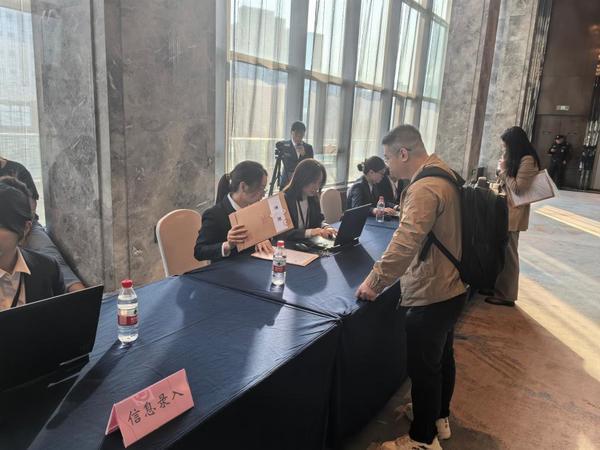
实名登记!涉及47种药!佛山加强防疫管控
证券时报· 2025-08-04 12:55
Core Viewpoint - The article discusses the implementation of a strict registration and reporting system for the sale of key controlled drugs in retail pharmacies in Foshan, effective from August 1, as part of the city's pandemic prevention efforts [1]. Group 1: Registration Management - All retail pharmacies in Foshan are required to implement a registration report system for the sale of 47 key controlled drugs [1]. - The registration is aimed at drugs used to treat symptoms such as fever, rash, and joint pain caused by Chikungunya virus [1]. - Customers must cooperate with pharmacy staff for real-name verification and provide personal information when purchasing these drugs [1]. Group 2: List of Controlled Drugs - The controlled drugs include common medications such as (Compound) Ganmaoling, Xiaochaihu Granules, Lianhua Qingwen Capsules, (Compound) Banlan Gen, Ibuprofen, and Phenylpropanolamine Tablets [2][3]. - A detailed list of the drugs requiring real-name registration is provided, including various formulations and combinations [3][4][5].