
小户型住宅

Search documents
狙击低价房
36氪· 2026-03-10 09:15
Core Insights - The article discusses the current trends in the real estate market in major Chinese cities, particularly focusing on the demand for smaller units and the impact of recent policy changes on market dynamics [3][5][15]. Group 1: Market Trends - In cities like Beijing and Shanghai, transactions are concentrated in properties priced between 3 million to 5 million yuan, with a preference for high-efficiency "good houses" in new homes and small-sized school district apartments in the secondary market [3][4]. - The demand for small units is notably high, with sales of 70 square meter apartments performing particularly well, while larger units are experiencing slower sales [4][6]. - The overall market is seeing a shift where buyers are more price-sensitive, leading to a preference for lower total price properties, especially in the context of improving living conditions without excessive leverage [4][7]. Group 2: Policy Impact - The "9·26" policy introduced in 2024 has significantly boosted transaction volumes, with expectations for this trend to continue until mid-2025, prompting developers to increase land acquisition [5][15]. - Adjustments in unit configurations have been made by developers to cater to market demands, with a focus on promoting smaller units to attract buyers [5][6]. Group 3: Buyer Behavior - Buyers are increasingly cautious, often comparing multiple projects before making a decision, reflecting a more conservative approach to leveraging [17]. - The article highlights that many buyers are opting for properties that allow them to maintain cash reserves, indicating a shift in buyer psychology towards financial prudence [17]. Group 4: Secondary Market Dynamics - In the secondary market, there is a notable trend where once a certain price point is established for a property type, it tends to redefine the pricing landscape for that area [10][11]. - Buyers are actively seeking value in the secondary market, often choosing larger units over new properties due to budget constraints, which reflects a significant shift in purchasing behavior [9][10].

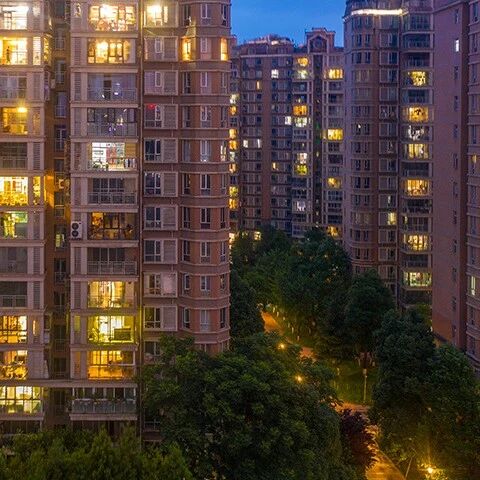
今明两年,买房牢记7字真言买小、买旧、不买三,还别不信
Sou Hu Cai Jing· 2026-02-16 03:58
Core Viewpoint - The current real estate market is filled with uncertainty, leading potential homebuyers to feel confused. Industry experts suggest adhering to the seven-character mantra of "buy small, buy old, do not buy three" for making prudent property purchases in the next two years [1] Group 1: Buy Small - For young families with urgent housing needs, it is advisable to prioritize small apartments over larger ones. This is due to three reasons: first, small apartments have a lower total price, which reduces monthly payment pressure; second, expenses related to decoration and furniture are less, making daily cleaning easier; third, costs such as property fees, heating fees, and maintenance funds are lower, alleviating financial burdens [3] Group 2: Buy Old - The term "old" refers to purchasing completed properties or relatively new second-hand homes rather than old houses. The frequent occurrence of unfinished properties has led to significant financial losses for buyers, increasing calls to eliminate pre-sale properties. Buying completed or relatively new homes allows buyers to conduct on-site evaluations of the property, including layout, floor, and quality, thus effectively avoiding risks associated with unfinished buildings and quality issues of pre-sale properties [4] Group 3: Do Not Buy Three - The phrase "do not buy three" indicates avoiding the purchase of old, dilapidated small properties, properties in remote areas, and high-rise buildings [5] Subgroup: Avoid Old and Dilapidated Properties - Old and dilapidated properties are often characterized by outdated construction, with severely aging structural and utility systems. Additionally, these properties typically have poor price resilience, often leading to a situation where they are priced but not sold. Therefore, it is recommended to avoid purchasing old and dilapidated properties in city centers [6] Subgroup: Avoid Remote Area Properties - While properties in suburban areas may have lower total prices, they often lack essential amenities such as hospitals, schools, supermarkets, and public transportation, resulting in a poor living experience. Furthermore, suburban properties exhibit the weakest price resilience, making them the first to suffer in the event of a price decline. Caution is advised when considering properties in remote areas [7]

3万人抢购300套房 香港楼市小户型火了|中环观察
2 1 Shi Ji Jing Ji Bao Dao· 2026-01-15 14:39
Core Insights - The phenomenon of "supply lower than rent" in Hong Kong's real estate market is driving increased enthusiasm among investors to purchase properties, particularly small units [1][9] - The demand for small units is notably high, with a significant number of buyers showing interest in one-bedroom or two-bedroom apartments [1][2] - The rental yield for small units is higher compared to larger units, making them attractive for investors [2][3] Market Trends - The market for small units (defined as properties priced below 4 million HKD and under 40 square meters) is experiencing a surge, with transactions expected to reach 1,945 in 2025, a year-on-year increase of over 70% [1][2] - Small units accounted for 9.7% of total residential transactions, marking a ten-year high in their market share [1] - The first round of sales for a new small unit project sold out quickly, indicating strong demand [1] Investment Preferences - Investors are increasingly favoring small units due to their lower entry costs and higher rental yields, with "big buyers" (those purchasing multiple units) focusing on properties priced at 6 million HKD or below [2][7] - The rental yield for small units is reported to be the highest among various property categories, with A-class units yielding 3.6% [2][8] - The recent increase in the stamp duty exemption threshold has further stimulated the market for small units [7] Economic Factors - The current low mortgage rates and rising rental prices have contributed to the "supply lower than rent" phenomenon, making property purchases more appealing [7][9] - In August 2025, nearly 80% of surveyed properties had rental yields exceeding mortgage rates, indicating a favorable investment environment [7] - The overall real estate market in Hong Kong is showing signs of recovery, with a 15% increase in transaction volume and a 4.7% rise in residential prices in 2025 [15] Future Outlook - The demand for rental properties is expected to remain high due to an influx of talent and non-local students, with rental prices projected to rise by 3% to 5% in 2026 [10][11] - The overall housing market is anticipated to benefit from improved economic conditions, with predictions of a 10% increase in residential prices in 2026 [15][16]
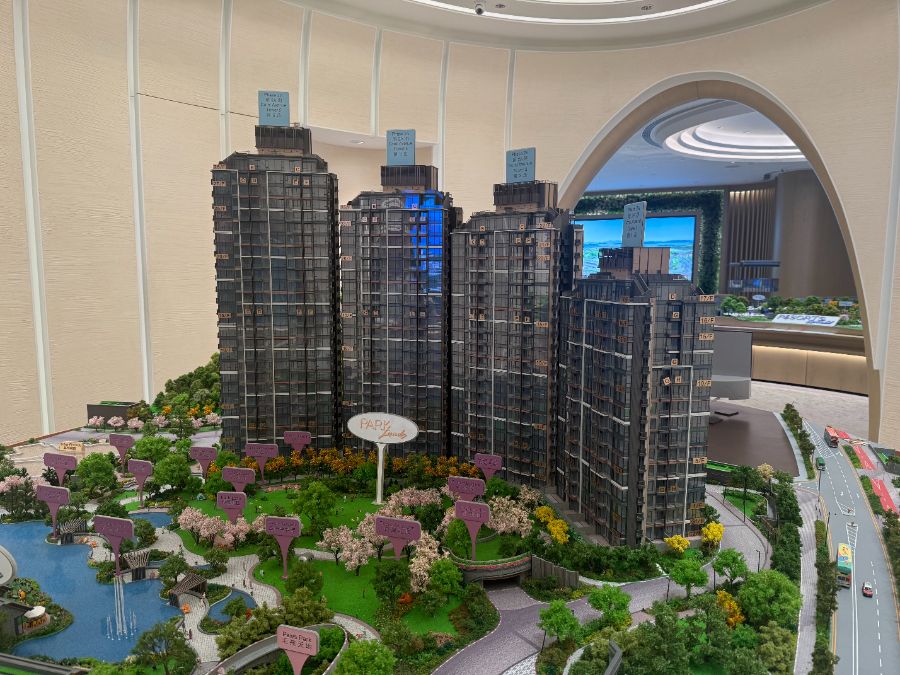
中签率不足1%,3万人抢购300套房,香港楼市小户型火爆,成交量创十年来新高
2 1 Shi Ji Jing Ji Bao Dao· 2026-01-15 12:20
Core Insights - The phenomenon of "mortgage lower than rent" in Hong Kong is driving increased enthusiasm among investors to purchase properties, particularly small units [1] - The market is witnessing a significant demand for small-sized apartments, with a notable increase in transactions and a high participation rate from buyers [1][2] - The rental yield for small units is higher than that of larger units, making them attractive for investors [2][3] Group 1: Market Trends - The demand for small units (under 400 million HKD and 40 square meters) is surging, with a transaction volume increase of over 70% year-on-year, reaching a ten-year high [1] - The first round of sales for a new small unit project sold out quickly, indicating strong market interest [1] - The overall property transaction volume in Hong Kong reached 80,702 in 2025, a 15% increase year-on-year, signaling a recovery in the real estate market [10] Group 2: Investment Appeal - Small units are favored by investors due to their high rental yields, with A-class units yielding 3.6% compared to lower yields for larger units [2][5] - The rental income from small units can cover mortgage costs, with a notable example showing a monthly rental of 15,000 HKD against a mortgage payment of 13,000 HKD [5] - The Hong Kong government has raised the stamp duty exemption threshold, further incentivizing purchases in the small unit market [3] Group 3: Rental Market Dynamics - The rental market is experiencing a continuous increase in demand, driven by talent inflow and a rise in non-local students, which is expected to push rental prices higher [6][11] - The ratio of students to available accommodation in Hong Kong is significantly high, leading to increased demand for small unit rentals [7] - Landlords benefit from stable rental income due to the fixed academic year of students, making renting to them a viable option [7][8] Group 4: Future Outlook - The overall property market in Hong Kong is expected to improve, with predictions of a 5% to 8% increase in residential prices by 2026 [6][11] - The positive market sentiment is supported by improved interest rates, balanced inventory, and increased buyer confidence [10] - Morgan Stanley has upgraded Hong Kong real estate to an "attractive" rating, forecasting a potential 10% price increase in 2026 due to various favorable factors [10][11]
中签率不足1%,3万人抢购300套房,香港楼市小户型火爆,成交量创十年来新高
21世纪经济报道· 2026-01-15 12:10
Core Viewpoint - The article highlights the increasing trend of investment in small-sized apartments in Hong Kong, driven by the phenomenon of "lower mortgage payments than rent" and high rental yields, attracting both first-time buyers and investors [1][5][11]. Market Trends - A notable demand for small-sized units is observed, with a specific focus on one-bedroom and two-bedroom apartments. A recent project saw 30,000 participants for 300 available units, resulting in a less than 1% success rate for buyers [1]. - The transaction volume for small-sized apartments (under 4 million HKD and under 40 square meters) is projected to reach 1,945 units in 2025, marking a year-on-year increase of over 70%, the highest growth among all price segments [1]. Investment Preferences - Investors are increasingly favoring small-sized units due to their higher rental yields. For instance, the rental yield for A-class housing (under 40 square meters) was reported at 3.6%, compared to lower yields for larger units [5][6]. - The preference for new properties over second-hand ones is evident, as new developments offer better amenities and developers provide discounts for bulk purchases [9]. Financial Dynamics - The rental yields for small units are now sufficient to cover mortgage costs, with a reported rental yield of 3.6% against a mortgage rate of 3.5%, creating a positive differential [11]. - The rental market has seen continuous growth, with a cumulative increase of 5.21% in 2025, contributing to the attractiveness of purchasing property [12]. Demographic Influences - The demand for rental properties is bolstered by a significant influx of talent and non-local students, with over 230,000 individuals attracted to Hong Kong since late 2022 [14]. - The ratio of students to available accommodation in Hong Kong is approximately 3.4 to 1, leading to increased demand for small rental units [15]. Market Recovery - The overall Hong Kong real estate market is showing signs of recovery, with a 15% increase in transaction volume in 2025 compared to the previous year, and residential prices rising by 4.7% [18]. - Positive market conditions are expected to continue, with forecasts suggesting a potential 10% increase in residential prices in 2026, driven by improved demand and a favorable interest rate environment [19].
为何越来越多人嫌弃大户型?这4个缺点很明显,住过的人都懂
Sou Hu Cai Jing· 2025-10-28 05:51
Core Viewpoint - The real estate market is experiencing a shift in preference from large apartments to smaller units, driven by various economic and social factors [1][3]. Group 1: Economic Factors - High property prices and significant shared area costs make large apartments less attractive. For instance, a 126 square meter large apartment in Shanghai costs approximately 10.08 million yuan, leading to substantial monthly mortgage pressures [3]. - The renovation and property management costs associated with large apartments are considerable. A 150 square meter large apartment could incur renovation costs exceeding 500,000 yuan, and monthly property fees could reach 675 yuan, excluding other expenses [4]. Group 2: Social Factors - Smaller households, such as young families or empty nesters, find large apartments to be overly spacious and lacking warmth, making smaller units more suitable for their living conditions [5]. - The liquidity of large apartments is lower in the current market, making it challenging to sell them quickly when needed, which could lead to longer selling periods and potential price reductions [7].

现在,他们买房的标准是租金回报率
Jing Ji Guan Cha Bao· 2025-10-17 11:34
Core Insights - The article discusses the current real estate investment strategies of individuals like Zhang Qiang, who are focusing on rental income rather than capital appreciation due to market volatility [1][7] - It highlights the shift in investment logic from relying on property value increases to prioritizing stable rental yields, especially in core urban areas [7][8] Investment Strategy - Zhang Qiang is considering purchasing a small apartment in Beijing's inner ring, with a listing price of approximately 1.5 million yuan, potentially negotiating down to 1.2 to 1.3 million yuan due to the seller's urgency [1][3] - The focus is on properties with low total prices and high rental yields, with Zhang's ideal investment being a small one-bedroom unit that can generate around 4,000 yuan in monthly rent [5][6] Market Dynamics - The article notes a trend where small unit buyers are primarily young individuals or investors seeking stable rental returns, with over 60% of transactions in the area being for units under 70 square meters [5][6] - It also mentions that the current market has a limited supply of high-quality, low-priced properties, making it essential for investors to act quickly [6][8] Financial Considerations - Professional investors calculate returns more comprehensively, factoring in various costs such as property management fees, taxes, and potential vacancy losses, which can affect the overall investment return [8] - For Zhang's potential investment, the estimated annual return rate is around 3.9% when considering all associated costs, which is slightly lower than his personal calculations [8]