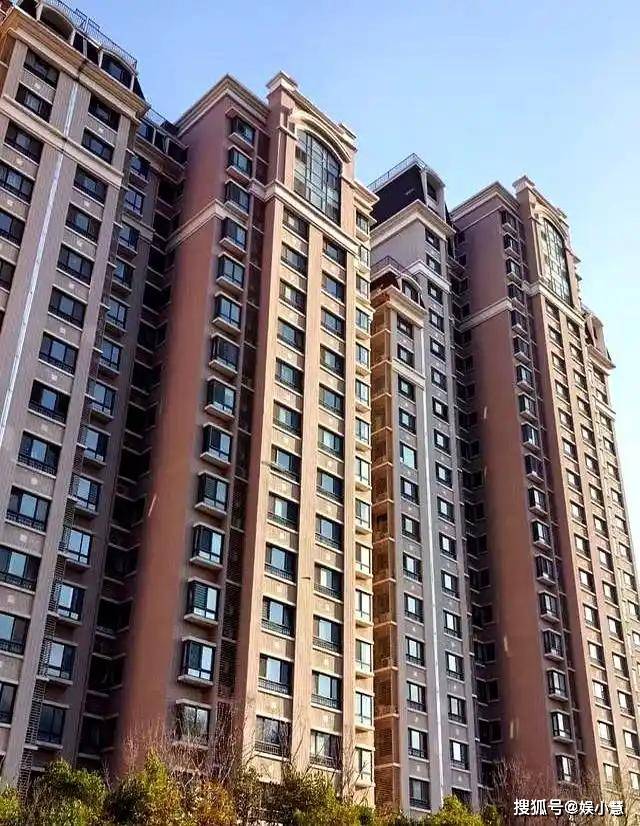
大户型住宅

Search documents
狙击低价房
36氪· 2026-03-10 09:15
Core Insights - The article discusses the current trends in the real estate market in major Chinese cities, particularly focusing on the demand for smaller units and the impact of recent policy changes on market dynamics [3][5][15]. Group 1: Market Trends - In cities like Beijing and Shanghai, transactions are concentrated in properties priced between 3 million to 5 million yuan, with a preference for high-efficiency "good houses" in new homes and small-sized school district apartments in the secondary market [3][4]. - The demand for small units is notably high, with sales of 70 square meter apartments performing particularly well, while larger units are experiencing slower sales [4][6]. - The overall market is seeing a shift where buyers are more price-sensitive, leading to a preference for lower total price properties, especially in the context of improving living conditions without excessive leverage [4][7]. Group 2: Policy Impact - The "9·26" policy introduced in 2024 has significantly boosted transaction volumes, with expectations for this trend to continue until mid-2025, prompting developers to increase land acquisition [5][15]. - Adjustments in unit configurations have been made by developers to cater to market demands, with a focus on promoting smaller units to attract buyers [5][6]. Group 3: Buyer Behavior - Buyers are increasingly cautious, often comparing multiple projects before making a decision, reflecting a more conservative approach to leveraging [17]. - The article highlights that many buyers are opting for properties that allow them to maintain cash reserves, indicating a shift in buyer psychology towards financial prudence [17]. Group 4: Secondary Market Dynamics - In the secondary market, there is a notable trend where once a certain price point is established for a property type, it tends to redefine the pricing landscape for that area [10][11]. - Buyers are actively seeking value in the secondary market, often choosing larger units over new properties due to budget constraints, which reflects a significant shift in purchasing behavior [9][10].

大房时代来了?
虎嗅APP· 2026-02-04 14:07
Core Viewpoint - The article discusses the emerging trend of luxury home purchases in China's real estate market, highlighting a shift from basic housing needs to a demand for larger, more functional living spaces due to changing family structures and preferences [4][11]. Group 1: Market Trends - The real estate market in China is witnessing a significant shift from "incremental gains" to "stock competition," with a notable increase in demand for larger homes driven by families seeking improved living conditions [4][11]. - The average living space per person in China has reached 40 square meters, but there is a significant imbalance in living quality across regions, leading to a primary motivation for homebuyers to seek larger spaces [4][11]. - The "house exchange" trend is becoming dominant in major cities like Beijing and Shanghai, where older, smaller homes are being traded for larger units, indicating a long-suppressed demand for improved living conditions [4][11]. Group 2: Luxury Market Dynamics - In 2025, luxury homes in Shanghai are projected to see a surge in transactions, with total sales exceeding 100 billion yuan, capturing nearly 60% of the market share among major cities [16][17]. - The average price of luxury homes has risen to 53.3 million yuan, with a significant increase in transaction volume for properties priced over 50 million yuan, reflecting strong demand for high-end real estate [17][21]. - The luxury market is characterized by a stark divide, with high-end properties showing resilience against market downturns, while the overall real estate sector faces challenges [21][22]. Group 3: Policy Changes and Market Adaptation - Recent policy adjustments in major cities, such as the relaxation of the "7090 policy," aim to encourage the development of larger, high-quality homes to meet the evolving market demand [10][28]. - The government has recognized the importance of "good housing" in its work reports, emphasizing safety, comfort, and sustainability as key attributes for future housing projects [27][31]. - The cancellation of purchase restrictions in cities like Guangzhou marks a significant shift in policy, aimed at stimulating the housing market and addressing the pent-up demand for larger homes [29][30]. Group 4: Future Outlook - The real estate market is transitioning into a "big house era," driven by demographic changes such as the two-child and three-child policies, which are reshaping family housing needs [33][34]. - The market is expected to experience further fragmentation, with a clear distinction between luxury and standard housing, as well as a focus on quality over quantity in residential offerings [34][35].

阿图什市房交会来了!优惠力度大!你想买的房都在这里→
Sou Hu Cai Jing· 2025-12-02 16:13
Core Viewpoint - The "Silk Road Happy Home" real estate fair held in Atushi City aims to provide a convenient platform for residents to meet their housing needs while promoting affordable housing options through various incentives and policies [1][3]. Group 1: Event Overview - The real estate fair took place from November 28 to December 9, organized by the Atushi City People's Government and the Housing and Urban-Rural Development Bureau [1]. - A total of 10 real estate companies participated, showcasing 12 premium housing projects that cater to diverse buyer needs, including small units for newlyweds and larger homes for families [1]. Group 2: Policies and Incentives - The event featured multiple favorable policies and promotional activities, including special home purchase subsidies and support from housing provident funds to lower costs for buyers [3]. - Real estate companies offered significant discounts, exclusive deals, and gifts such as home appliances to enhance the purchasing experience for attendees [3]. Group 3: Promotional Activities - Specific promotional activities included full-house renovations, appliance giveaways, and special pricing for select properties [5]. - Various incentives were provided, such as discounts on parking spaces and cash rewards for referrals, aimed at encouraging purchases during the fair [5].

为何越来越多人嫌弃大户型?这4个缺点很明显,住过的人都懂
Sou Hu Cai Jing· 2025-10-28 05:51
Core Viewpoint - The real estate market is experiencing a shift in preference from large apartments to smaller units, driven by various economic and social factors [1][3]. Group 1: Economic Factors - High property prices and significant shared area costs make large apartments less attractive. For instance, a 126 square meter large apartment in Shanghai costs approximately 10.08 million yuan, leading to substantial monthly mortgage pressures [3]. - The renovation and property management costs associated with large apartments are considerable. A 150 square meter large apartment could incur renovation costs exceeding 500,000 yuan, and monthly property fees could reach 675 yuan, excluding other expenses [4]. Group 2: Social Factors - Smaller households, such as young families or empty nesters, find large apartments to be overly spacious and lacking warmth, making smaller units more suitable for their living conditions [5]. - The liquidity of large apartments is lower in the current market, making it challenging to sell them quickly when needed, which could lead to longer selling periods and potential price reductions [7].

刚需必看!2025年购房避坑指南:买旧买大不买三!
Sou Hu Cai Jing· 2025-10-08 12:06
Core Insights - The emerging mantra in the housing market for 2025 is "buy old, buy big, don't buy in third-tier cities," reflecting the current needs of first-time homebuyers [1][10] Group 1: Market Trends - The strategy gained traction after the central bank's new policy on May 17, 2024, indicating a real response to the current housing market environment [2] - There is a notable shift towards the second-hand housing market, with some core cities seeing second-hand transactions surpass new home sales, particularly in cities like Hangzhou and Chengdu [4] - The "buy old" trend is supported by policies promoting "old-for-new" exchanges, enhancing the liquidity of second-hand homes [2][5] Group 2: Housing Preferences - The decrease in down payment thresholds and interest rates post-May 17 has made larger homes more accessible for first-time buyers, with larger units (100-140 square meters) having greater negotiation flexibility than smaller ones (60-80 square meters) [5][6] - The demand for larger living spaces is driven by changing family structures, such as multi-generational living and the need for more room due to having more children [6] Group 3: Regional Disparities - The advice to "not buy in third-tier cities" stems from a significant population outflow and weak industrial support in these areas, leading to high inventory pressures [7][8] - The stark contrast between first and second-tier cities, which continue to attract population inflows, and third-tier cities, which struggle with demand, highlights the importance of location in real estate investment [8][9] - The market is increasingly polarized, with a focus on urban areas that have strong population and industrial foundations being essential for future investment success [9][10]

中介说漏嘴,今明两年买房,牢记7个字:“买旧、买大、不买三”
Sou Hu Cai Jing· 2025-09-01 19:32
Core Viewpoint - The article emphasizes the importance of buying a home that provides a sense of security and happiness, advocating for purchasing existing or slightly used properties rather than new developments that may carry risks [1] Group 1: Buying Strategy - The article suggests the strategy of "buy old, buy big, and avoid three types" to navigate the housing market effectively [3] - It highlights the advantages of purchasing existing homes or newer second-hand properties, which offer more reliability compared to off-plan properties [3][6] - The article warns against the risks of buying off-plan properties, which may lead to delays and uncertainties in possession [9][12] Group 2: Property Types to Avoid - It identifies three types of properties to avoid: old and dilapidated homes, apartments, and illegal constructions [24] - Old properties, particularly those over twenty years old, are prone to maintenance issues and may lack modern amenities, making them difficult to sell later [26] - Apartments are criticized for high communal costs and poor living conditions, while illegal constructions pose legal risks of demolition [28][30] Group 3: Long-term Considerations - The article stresses the importance of choosing larger homes to accommodate future family needs, thus avoiding the hassle of moving again [15][23] - It notes that larger homes tend to retain value better in fluctuating markets, making them a safer investment [20] - The article concludes by encouraging buyers to focus on the essence of properties rather than being swayed by flashy marketing [33]