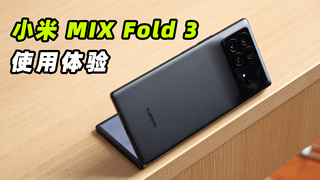
小米MIX Fold 3

Search documents
小米MIX Fold 3评测:折叠屏影像,也开始卷起来了?
Xin Lang Cai Jing· 2025-12-11 13:06
Group 1 - The core theme of the article revolves around Xiaomi's ambition to penetrate the high-end smartphone market, particularly through the launch of the MIX Fold 3 [1] - The MIX Fold 3, priced starting at 8999 yuan, represents one of Xiaomi's most premium products, showcasing advancements in design and camera technology [2] - The new model emphasizes a Leica-style imaging system and aims to enhance user experience through improved handling, design, and large screen optimization [2] Group 2 - The article highlights the importance of the MIX Fold 3 in solidifying Xiaomi's position in the high-end market segment [2]


澎湃OS 3覆盖更多机型 雷军:新增微信收发动态照片
Sou Hu Cai Jing· 2025-12-10 06:33
Core Viewpoint - Xiaomi officially announced the rollout of the stable version of its HyperOS 3, which will cover more device models starting from December 10, with a gradual push for updates [1]. Group 1: Update Details - The update will include a total of 10 device models [5]. - The specific models receiving the update are: 1. Xiaomi MIX Fold 3 2. Xiaomi 13 Ultra 3. Xiaomi 13 Pro 4. Xiaomi 13 5. REDMI Note 15 Pro+ 6. REDMI Note 15 Pro 7. REDMI Note 14 Pro+ 8. REDMI Note 14 Pro 9. REDMI Note 13 Pro+ 10. REDMI Note 13 Pro [5]. Group 2: New Features - The new HyperOS 3 introduces a feature that allows users to send and receive dynamic photos in the WeChat chat window [1]. - To utilize this feature, users must upgrade to the latest system version and update the WeChat app to version 8.0.65 or higher [7]. - Users need to manually enable the "live" switch in the WeChat album preview page to synchronize dynamic images and sound [8].
雷军2025年度演讲或将于9月底举行,有望携小米16同步亮相
Sou Hu Cai Jing· 2025-09-11 10:56
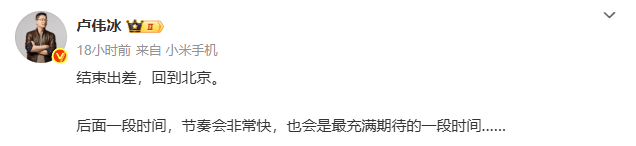
Group 1 - Xiaomi founder Lei Jun's annual speech is expected to take place in late September, coinciding with the launch of the Xiaomi 16 series [1] - Qualcomm will unveil its next-generation Snapdragon flagship chip on September 24-25, providing a timeline for the Xiaomi 16 release [1] - Xiaomi President Lu Weibing confirmed that the launch event will be moved up, indicating an accelerated work pace [1] Group 2 - Lei Jun's 2023 annual speech occurred on August 14, focusing on entrepreneurial experiences and new product launches [2] - The speech highlighted challenges in Xiaomi's high-end market strategy and announced a strategic upgrade with a planned investment of 100 billion yuan in R&D over the next five years [2] - Xiaomi's main direction for its large model is revealed to be lightweight and local deployment, alongside the launch of new products like the Xiaomi MIX Fold 3 and Xiaomi CyberDog 2 [2] Group 3 - The 2024 annual speech is scheduled for July 19, 2024, at the Beijing Shougang Ice Hockey Arena, with the theme of "Courage" [4] - The speech will review Xiaomi's decision-making process in car manufacturing, including challenges and breakthroughs [4] - New products such as the Xiaomi MIX Fold 4, Xiaomi MIX Flip, and Xiaomi Buds 5 will be launched, along with the Xiaomi SU7 Ultra Prototype vehicle [4]
大时代中的小米:扬科创之帆 赴星辰大海
Xin Hua Wang· 2025-08-12 05:49
Core Insights - Xiaomi is undergoing a strategic upgrade focused on long-term technological investments that contribute to human civilization [1][16] - The company's founder, Lei Jun, emphasized the importance of high-end market positioning as a critical path for growth and competitiveness [5][6] Group 1: Company Growth and Strategy - Xiaomi's annual speeches reflect the evolution of the company and the broader Chinese tech industry, transitioning from a phase of catching up to one of innovation and core competitiveness [3][4] - The company has established three key principles for high-end smartphone development: no shortcomings in high-end features, deep integration of hardware and software, and prioritizing user experience over specifications [8] - Xiaomi's average selling price (ASP) for smartphones reached a historical high in Q1 2023, with a year-on-year increase of over 18% [8] Group 2: Innovation and R&D - Xiaomi's R&D investment has seen a compound annual growth rate of 38.4% from 2017 to 2022, with expectations to exceed 20 billion RMB in 2023 and over 100 billion RMB in the next five years [13] - The company has entered 12 technology fields, including 5G, big data, cloud computing, and artificial intelligence, with over 32,000 global patents as of March 31, 2023 [12] - Xiaomi's self-developed large model technology has achieved significant breakthroughs, with a focus on lightweight and local deployment, indicating a shift towards integrating advanced AI capabilities into its products [20] Group 3: Market Position and Future Outlook - Xiaomi is positioned as a leading player in the high-end smartphone market, aiming to reshape the competitive landscape dominated by foreign brands [9] - The company is committed to continuous innovation and adaptation to market changes, which is essential for maintaining its competitive edge in the evolving tech landscape [18][22] - The introduction of new products, including the Xiaomi MIX Fold 3 and advancements in AI technology, showcases the company's commitment to technological leadership and market responsiveness [14][15]
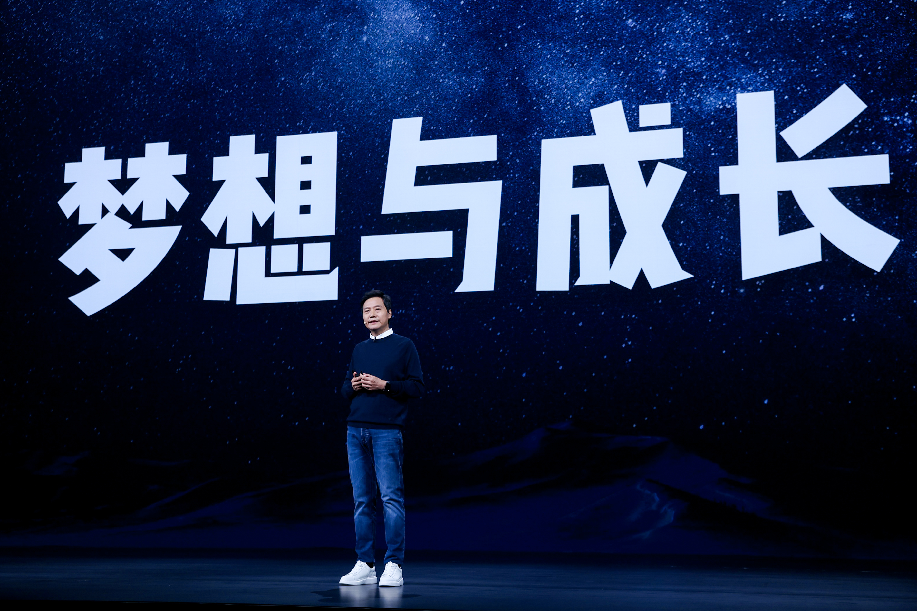
六一儿童节的快乐,全是车圈大佬掐架给的
创业邦· 2025-06-02 01:59
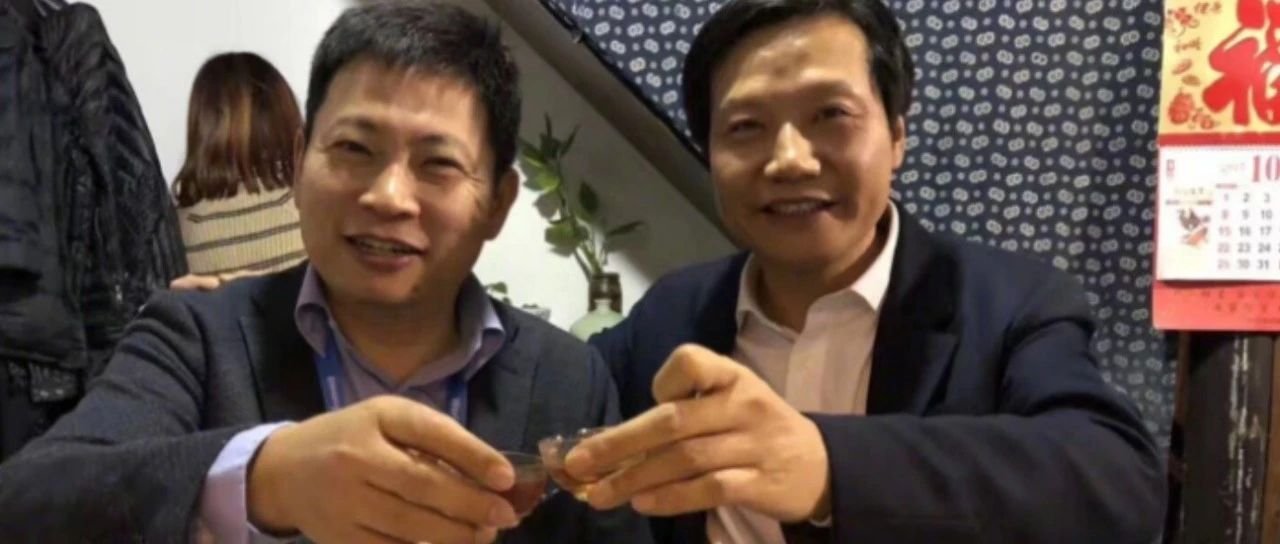
Core Viewpoint - The ongoing public exchanges between Lei Jun and Yu Chengdong reflect deeper anxieties within the automotive industry, transcending mere product competition and highlighting strategic concerns in a rapidly evolving market [4][10][18]. Group 1: Background of the Conflict - The recent exchanges began with Yu Chengdong's comments at the Guangdong-Hong Kong-Macao Greater Bay Area Auto Show, where he criticized competitors for relying on subpar products to achieve sales [6][8]. - Lei Jun's response, invoking a quote from Mo Yan, escalated the situation, indicating a strategic counterattack against perceived criticisms of Xiaomi's automotive efforts [3][7]. Group 2: Nature of the Exchanges - The exchanges are characterized as a "turn-based game," where each party responds to the other's provocations, effectively using public relations as a tool for competitive advantage [4][17]. - This public sparring serves as a low-cost, high-exposure marketing strategy, allowing both companies to maintain visibility in a crowded market [17]. Group 3: Industry Context and Implications - The automotive market is experiencing significant growth, with domestic production and sales reaching 31.43 million vehicles in 2024, marking a year-on-year increase of 4.5% [18]. - New energy vehicles are particularly thriving, with production and sales hitting 12.89 million units, reflecting a growth of 34.4% [18]. - However, concerns about overcapacity and the quality of new energy projects are emerging, indicating potential risks in the industry's rapid expansion [18][19]. Group 4: Strategic Divergence - The conflict highlights two contrasting approaches to automotive manufacturing: Lei Jun's focus on user-centric innovation versus Yu Chengdong's emphasis on technological superiority and quality [18]. - Both leaders are navigating significant pressures within their respective companies, with Yu Chengdong acknowledging substantial losses in Huawei's automotive business, while Lei Jun's responses reveal underlying anxieties about Xiaomi's market position [18][19].
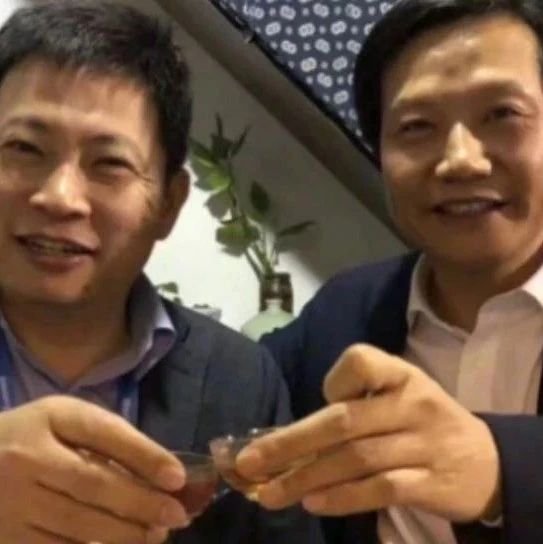
六一儿童节的快乐,全是车圈大佬掐架给的
凤凰网财经· 2025-06-01 14:27
Core Viewpoint - The ongoing public spat between Lei Jun and Yu Chengdong reflects deeper anxieties within the automotive industry, transcending mere product competition and highlighting strategic concerns in the face of evolving market dynamics [1][14]. Group 1: Recent Developments - On June 1, Lei Jun announced that Xiaomi's YU7 will begin mass production in July, seemingly responding to Yu Chengdong's previous comments about other companies selling subpar products [1][2]. - Yu Chengdong criticized competitors for relying on inferior products, implying that Xiaomi's offerings do not measure up despite their marketing success [2][3]. - Xiaomi's executives rallied in defense, employing the phrase "Mo Yan's body" to counter the criticisms, indicating a coordinated public relations effort [3][4]. Group 2: Historical Context - The rivalry between Lei Jun and Yu Chengdong has evolved from marketing disputes to more complex technical and strategic confrontations, with notable incidents dating back to 2014 [6][7]. - Past conflicts include the "Glue Gate" incident, which marked the first public clash between Xiaomi and Huawei, and more recent disputes over technology claims related to foldable devices [9][11]. Group 3: Industry Implications - The automotive sector is experiencing significant growth, with domestic production and sales reaching 31.43 million units in 2024, a year-on-year increase of 4.5% [14]. - The rise of new energy vehicles is notable, with production and sales hitting 12.88 million units, reflecting a 35.5% increase, yet concerns about overcapacity are emerging [14]. - The ongoing public exchanges between Lei Jun and Yu Chengdong underscore contrasting philosophies: Xiaomi's user-centric approach versus Huawei's emphasis on technological superiority, which may influence consumer perceptions and purchasing decisions [15].