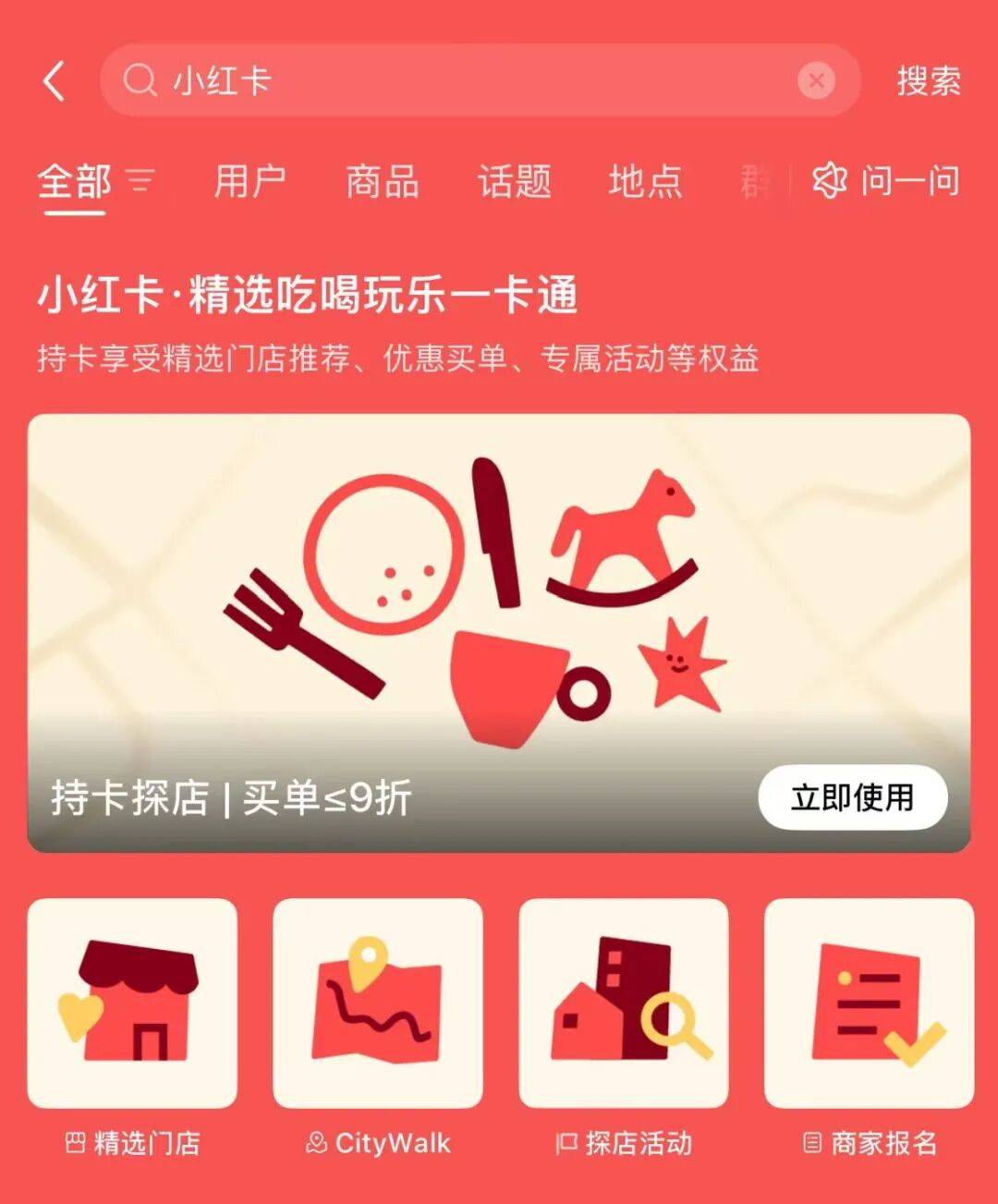
小红书聚光平台

Search documents
商家和消费者,不再“独宠”大众点评
Sou Hu Cai Jing· 2025-10-16 16:35
Core Insights - The restaurant industry is shifting its marketing focus from traditional platforms like Dianping to newer social media platforms such as Douyin and Xiaohongshu, reflecting a broader trend in consumer engagement and marketing strategies [3][19]. Group 1: Market Trends - The online penetration rate of dine-in services is approximately 10%, indicating significant market potential for growth [3]. - The competitive landscape has evolved, with platforms like Douyin and Kuaishou entering the dine-in service market, leading to diversified platform choices for restaurants [3][19]. - Restaurants are increasingly recognizing the importance of online marketing, moving from a singular focus on Dianping to exploring various social media platforms [4][19]. Group 2: Marketing Strategies - Many small restaurants are leveraging Xiaohongshu for its community-driven content, creating a closed-loop of user engagement from content viewing to in-store consumption [4][6]. - In smaller cities, restaurants often rely on local word-of-mouth and social media platforms rather than Dianping, which is less utilized [6][9]. - Marketing budgets are tightening, prompting restaurants to be more strategic in their platform choices and marketing expenditures [9][10]. Group 3: Platform Dynamics - Dianping is facing challenges in maintaining its credibility and trust among consumers, necessitating improvements in its rating system and exposure strategies [17][19]. - Xiaohongshu must address issues related to the authenticity of its content to retain user trust and engagement [17]. - Douyin's challenge lies in converting views into actual sales and repeat customers, highlighting the need for effective marketing strategies [17][19]. Group 4: Future Outlook - The trend indicates that restaurants will need to adopt a multi-platform marketing approach, akin to investment strategies, to optimize their marketing effectiveness [19]. - The competition among platforms is intensifying, and restaurants are likely to diversify their marketing efforts across multiple channels to enhance customer retention and conversion rates [19].

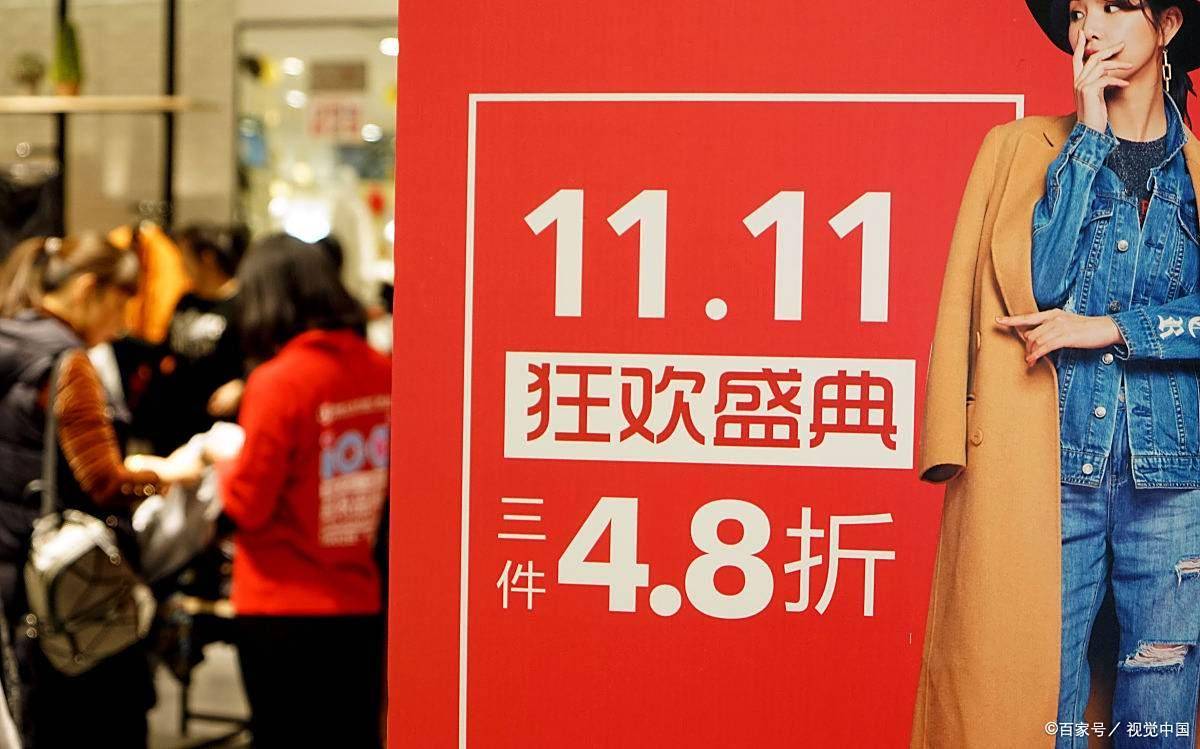
「杭州社淘」天猫国际大促攻略:双11/618期间如何抢占流量红利?
Sou Hu Cai Jing· 2025-08-13 11:08
Core Insights - Tmall International's Double 11 and 618 promotions are critical for overseas brands to capture the Chinese market, with successful brands leveraging "pre-sale accumulation, influencer matrix, and data-driven strategies" [1] Group 1: Pre-sale Accumulation - The explosive growth during Double 11/618 is driven by precise pre-sale accumulation strategies, with a three-phase approach leading to a 300% year-on-year GMV increase for a skincare brand in 2025 [3] - Phase one involves user segmentation and awakening, targeting "anti-aging" demographics (women aged 30-45) with tailored content, increasing search traffic share from 12% to 45% [3] - Phase two focuses on a pre-sale customer locking mechanism, offering a deposit discount and limited-time gifts, resulting in a 35% increase in pre-sale add-to-cart rates [4] - Phase three activates private domain growth through referral incentives, boosting the proportion of repeat customers during the pre-sale period from 18% to 42% [5] Group 2: Influencer Matrix - Relying solely on top-tier influencers is insufficient for capturing long-tail traffic; a pyramid-shaped influencer matrix is emerging as a mainstream strategy [6] - The top-tier influencer layer collaborates with leading Douyin hosts to create content that resonates emotionally, achieving single-session GMV exceeding 8 million yuan [6] - The mid-tier influencer layer focuses on scenario-based content, enhancing viewer engagement with an average live stream duration of 8 minutes [7] - The KOC (Key Opinion Consumer) layer initiates challenges that generate significant user engagement, with topic views surpassing 100 million and tripling private domain user growth [8] Group 3: Data-Driven Strategies - A comprehensive data monitoring system tracks over 200 key metrics, enabling brands to swiftly adapt to market changes, such as a 65% week-on-week sales increase for a health product brand through timely content adjustments [9] Group 4: Supply Chain Optimization - An intelligent warehousing system allows for dynamic inventory management and regional distribution, reducing shipping times from 72 hours to 24 hours for a food brand, which in turn improved store ratings to 4.9 and increased conversion rates by 40% [10] Group 5: Systemic Capability - The essence of the traffic dividend during Double 11/618 is a competition of systemic capabilities, where brands that integrate pre-sale accumulation, influencer strategies, data optimization, and supply chain upgrades can transform promotional uncertainties into predictable growth [11]