小荷健康

Search documents
微医三闯港交所上市:历史包袱难卸,模式瓶颈待破
Sou Hu Cai Jing· 2026-01-21 11:52
Core Insights - WeDoctor is undergoing a significant transformation, moving from a digital healthcare platform to a "B2G" model focused on AI-driven health management services, particularly in collaboration with local governments and health insurance funds [5][6][20] - The company has reported impressive growth in revenue, particularly in health management services, which surged from 354 million RMB in 2023 to 3.893 billion RMB in 2024, with a 131.4% year-on-year increase in the first half of 2025 [8][14] - Despite the growth, WeDoctor faces structural vulnerabilities, heavily relying on a single client, the Tianjin health insurance fund, which accounted for 77.6% of its total revenue in the first half of 2025 [8][14] Business Model and Performance - WeDoctor's new operational model is based on a "per capita bundled payment" system, where health insurance funds prepay a budget for specific populations, linking revenue directly to cost control outcomes [5][6] - The company has achieved notable improvements in patient health metrics during its Tianjin pilot, with significant increases in control rates for chronic diseases [6] - However, the gross profit margins for WeDoctor's health management services have remained extremely low, fluctuating between 0.7% and 3.8%, indicating ongoing profitability challenges [8][14] Competitive Landscape - The healthcare sector is becoming increasingly competitive, with major players like Alibaba and JD.com entering the "AI + grassroots healthcare" space, leveraging their technological and market advantages [16][18] - WeDoctor's approach of deep integration with local healthcare services and insurance systems presents a unique positioning but also entails higher operational risks and slower expansion [17][20] - Competitors like DXY and Yilian have adopted different strategies, focusing on building trust and technology-driven solutions, which may pose further challenges for WeDoctor [16][18] Governance and Financial Health - WeDoctor's governance issues, particularly related to founder Liao Jieyuan's past regulatory violations, have raised concerns about the company's management stability and investor confidence [10][13] - The company's financial situation is precarious, with cumulative losses reaching 17.826 billion RMB over seven years, and a significant net loss of 7.508 billion RMB from 2022 to the first half of 2025 [14][15] - Despite a positive cash flow in the first half of 2025, the company has a low cash reserve of 455 million RMB, raising questions about its financial sustainability [15][14] Future Outlook - WeDoctor aims to replicate its Tianjin model in other regions, but faces challenges due to varying local policies and the complexity of implementation [19][20] - The company's ability to navigate these challenges and innovate its business model will be crucial for its survival in a competitive market [21]


抖音医疗生态持续完善,巨头竞速医疗赛道
2 1 Shi Ji Jing Ji Bao Dao· 2025-10-16 08:41
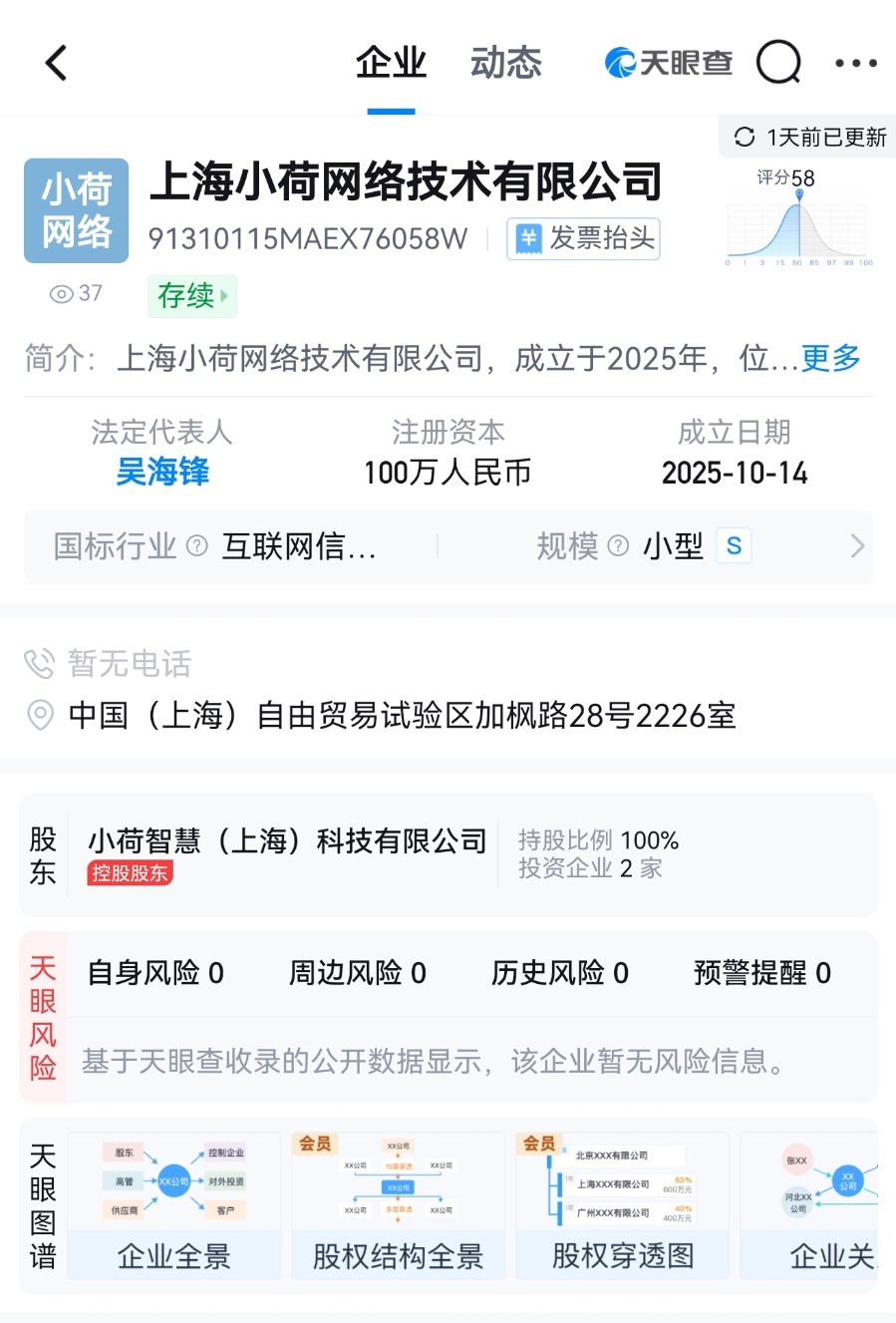
Core Insights - Douyin Group's healthcare brand, Xiaohé Health, has established Shanghai Xiaohé Network Technology Co., Ltd. to enhance its medical health ecosystem [1][3] - Xiaohé Health has developed an integrated online and offline business matrix, providing services such as online consultations and partnerships with medical institutions [3][6] - The establishment of Shanghai Xiaohé Network Company is expected to synergize with Douyin's online pharmaceutical business, supporting services like prescription reviews [8] Company Development - Xiaohé Health was officially established in September 2020, marking Douyin Group's entry into the healthcare sector [4] - The company has expanded its services by acquiring various medical institutions, including full ownership of Meizhong Yihe Medical Group and Beijing Meizhong Airi Oncology Hospital [5][6] - As of now, Xiaohé Health controls over 20 enterprises, achieving a closed-loop service model encompassing "medical examination, diagnosis, treatment, and medication" [6] Industry Trends - The internet healthcare market in China is projected to grow from 3,925 billion yuan in 2023 to 4,799 billion yuan by 2025 [10] - AI technology is becoming a core driver of internet healthcare development, with major companies like Alibaba and JD Health launching AI-driven healthcare applications [10][11] - The competitive landscape is evolving, with a focus on personalized healthcare services and the increasing involvement of younger demographics in health management [9]