小香葱

Search documents
大姚以精准监督为小香葱产业发展清障 确保农业增产农民增收
Xin Lang Cai Jing· 2026-01-23 14:47
Core Insights - The article highlights the efforts of the Daya County Discipline Inspection Commission in supporting the development of the local specialty industry, particularly focusing on the small green onion cultivation sector [3][4] - The commission has implemented a targeted supervision approach to address challenges in agricultural practices, enhance technical support for farmers, and ensure effective policy implementation [3][4] Group 1: Industry Development Support - Daya County's Discipline Inspection Commission has prioritized the supervision of specialty industry development, focusing on project implementation and the effectiveness of agricultural policies [3] - The commission has established a problem list and implemented a tracking management system to address bottlenecks in the industry, facilitating timely corrective actions [3] Group 2: Technical Guidance and Training - The commission has coordinated with agricultural departments to provide on-site technical guidance to farmers, addressing issues such as pest control and fertilization practices [3] - Regular training sessions combining classroom instruction and practical fieldwork have been organized to enhance farmers' skills in small green onion cultivation and pest management [3] Group 3: Labor and Employment Support - The rising demand for labor in the vegetable market has led to a labor shortage at the cultivation base, prompting the commission to facilitate a labor matching platform to connect local workers with job opportunities [4] - This initiative not only alleviated the labor shortage but also increased the income of local residents [4] Group 4: Supervision and Transparency - The commission has strengthened its supervision network by leveraging local committees to monitor key processes such as the distribution of agricultural subsidies and land transfers [4] - An integrated online and offline supervision system has been established to ensure transparency in the progress of industry development and the use of collective funds [4] Group 5: Future Focus - The commission plans to continue its focus on the development of specialty industries in rural revitalization, ensuring accountability and effective supervision to enhance agricultural productivity and farmers' income [4]

葱粮轮作绘“丰”景 沃土生金焕新颜
Xin Lang Cai Jing· 2025-12-24 14:46
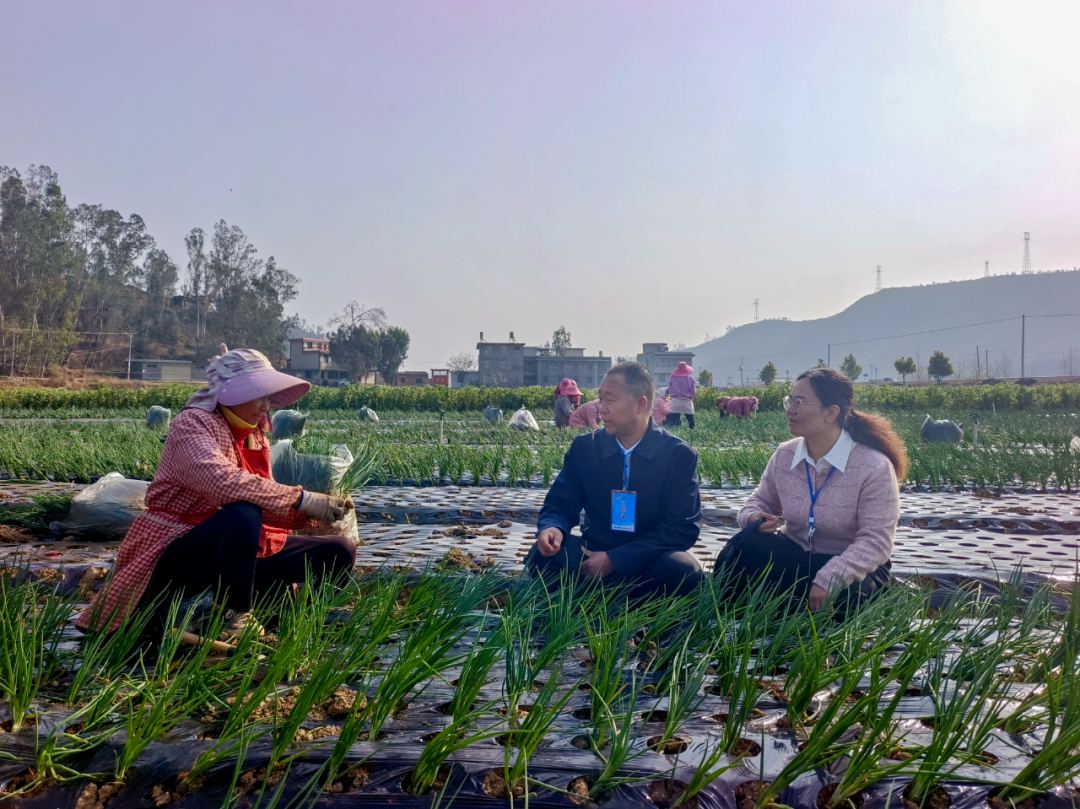
Core Insights - The article highlights the successful implementation of crop rotation practices in Jinma Town, particularly the "onion-grain rotation" and "tobacco + N" planting models, which have led to increased agricultural efficiency and farmer income [1][10]. Group 1: Agricultural Practices - Jinma Town has actively promoted diverse planting projects, enabling farmers to achieve continuous income throughout the seasons, thus enhancing agricultural productivity and farmer earnings [1][10]. - Farmers are transitioning from continuous onion planting to rotating with crops like peas and vegetables, which helps maintain soil health and improve yields [3][6]. Group 2: Economic Impact - A farmer reported that switching from onions to peas on 3 acres yields over 200 kilograms per harvest, with market prices reaching 18-19 yuan per kilogram, demonstrating a profitable shift in crop choice [3][5]. - Another farmer noted that by rotating vegetables like cauliflower on 40 acres, the expected income could reach 7,000 to 8,000 yuan per acre, significantly higher than the previous 3,000 yuan from onions [6]. Group 3: Government Initiatives - The local government has implemented effective land improvement projects, promoting crop rotation to transform previously idle land into productive agricultural areas, contributing to rural revitalization [8][10]. - Jinma Town has completed 5,043.5 acres of crop rotation and 4,718 acres of fallow land this year, exceeding the 2025 rotation targets, indicating strong governmental support for sustainable agricultural practices [8].
假日“菜篮子”供销两旺 各类时蔬抢“鲜”出海闯出“大市场”
Yang Shi Wang· 2025-05-03 07:01
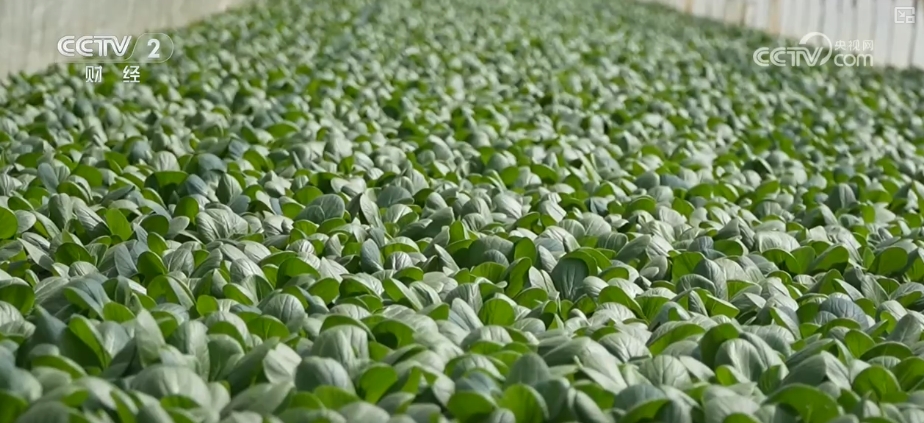
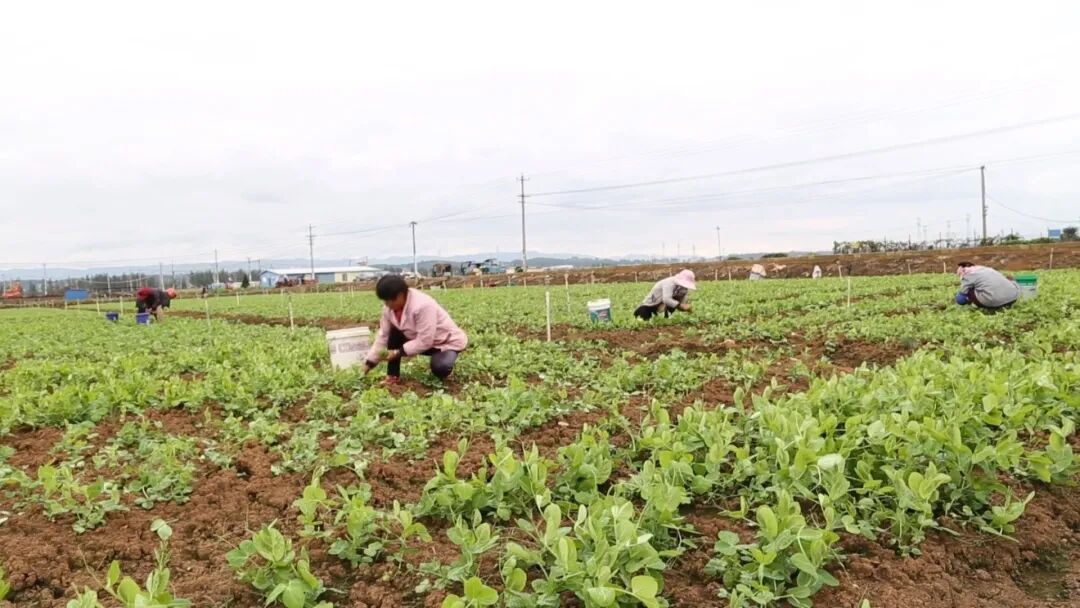
Core Insights - Yunnan province is a significant vegetable-producing area in China, with a notable increase in vegetable and edible fungus exports in early 2025, reaching 182,000 tons and an export value of 960 million yuan, marking a year-on-year growth of 28.1% [1] Group 1: Vegetable Production and Export - The harvesting season for the local cool-season vegetable "Shanghai Qing" is currently underway in Songming County, Kunming, where farmers are actively engaged in collection [3] - The average altitude of Songming County is 1,900 meters, with an annual average temperature of 14.3 degrees Celsius, making it suitable for growing cool-season vegetables like "Shanghai Qing," which is favored by consumers for its tender taste [5] - Yunnan's vegetables are not only sold domestically but also exported to 39 countries and regions, including Vietnam, Thailand, and Italy [8][13] Group 2: Local Market Dynamics - In Honghe Prefecture, the local production of small green onions is thriving, with over 3,000 tons being shipped daily to various parts of the country [10] - Farmers in Shiping County, Honghe Prefecture, are currently harvesting green beans, contributing to the overall vegetable supply [11] - The area dedicated to small green onion cultivation exceeds 135,000 acres, accounting for over 60% of Yunnan's total output, with efficient logistics ensuring rapid delivery to both domestic and international markets [14]