
山茶花

Search documents
快来品赏 焕新茶园的“花中娇客”
Hang Zhou Ri Bao· 2026-02-27 02:10
Core Viewpoint - The newly reopened Mulan Mountain Tea Garden in Hangzhou invites citizens and tourists to experience a thousand-year relationship with camellias, showcasing a blend of leisure, education, and culture [2] Group 1: Garden Features - Established in 1959, Mulan Mountain Tea Garden was once the largest camellia garden in East China and set a benchmark in garden design with its "Mulan + Camellia" theme [2] - The renovated garden features over 60 species of magnolia and more than 260 varieties of camellia and tea plum from both domestic and international sources, including the largest single red camellia (Meiren Tea) planting in East China [2] - The garden is currently in bloom with single red camellias and various tea plum varieties, with key flowering varieties like "Eighteen Scholars," "Red Dew Treasure," and "Golden Plate Lychee" reaching peak bloom [2] Group 2: Visitor Experience - The garden offers an outdoor natural viewing experience, complemented by an exhibition hall at the summit showcasing a collection of camellia flowers and educational displays on the cultivation history of camellias spanning over a thousand years [2] - The design incorporates traditional paper-cutting elements, symbolizing good wishes for success and reflecting the vibrant energy of early spring [2] - Mulan Mountain Tea Garden aims to create a new destination for visitors that harmoniously integrates the rich cultural heritage of camellias with ecological conservation [2]

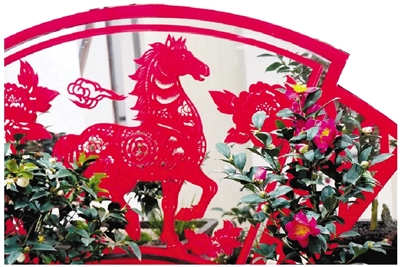
传承千年的“花开富贵”,是独属中国新年的“仪式感”
Xin Lang Cai Jing· 2026-02-22 01:29
Core Viewpoint - The article highlights the cultural significance of flowers during the Chinese New Year celebrations, emphasizing the deep-rooted tradition of using flowers to enhance the festive atmosphere across various regions in China [1][10]. Group 1: Regional Celebrations - In Jiangnan, the early spring is marked by the blooming of plum blossoms, with Changzhou being a representative city where the celebration includes a blend of cultural and festive activities [3]. - Wuhan's East Lake Plum Garden features over 30,000 plum trees, attracting visitors who enjoy the beauty of the blossoms while celebrating family reunions [3]. - In Guangzhou, the "Flower Street" tradition is a vital part of the New Year celebrations, where families select flowers symbolizing good fortune and prosperity [5]. Group 2: Flower Varieties and Symbolism - The article describes various flowers associated with the New Year, such as the butterfly orchid, large flowered cymbidium, and winterberry, which contribute to the festive atmosphere in Jiangnan [3]. - In Southwest China, the camellia is a popular choice for decoration, symbolizing good wishes for the coming year, while in Guizhou, the fragrance of wax plums fills homes, representing family health and happiness [6]. - Northern regions feature the winter plum blossom, which adds elegance to the New Year celebrations, with traditional activities like enjoying sweet snacks while admiring the flowers [8]. Group 3: Cultural Significance - The act of flower appreciation during the New Year is portrayed as a cultural inheritance, representing warmth and familial bonds, transcending mere visual enjoyment [8][10]. - Each blooming flower is seen as a beautiful wish, and family outings to enjoy the flowers serve as a testament to reunion and togetherness [8].
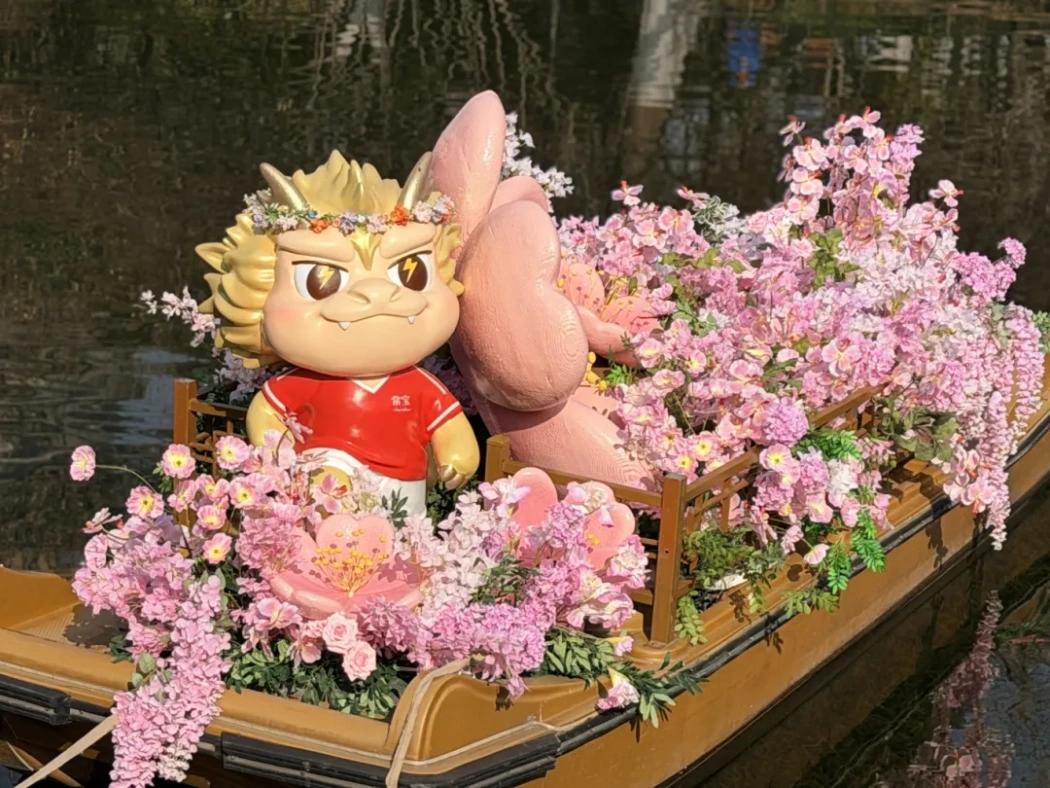
木兰山茶园焕新开园
Mei Ri Shang Bao· 2026-02-02 03:27
Core Insights - The Hangzhou Botanical Garden's Magnolia Camellia Garden has officially reopened on February 1, showcasing over 60 years of horticultural heritage and inviting visitors to experience the beauty of camellias during the Lunar New Year [1] Group 1: Garden Features - The Magnolia Camellia Garden is recognized as the most comprehensive specialized garden for camellia species and varieties in East China, featuring over 60 species of magnolia and more than 260 varieties of camellia and tea plum [1] - The garden has been renovated to present a new look, becoming a significant attraction for visitors to enjoy the unique charm of camellias and the festive atmosphere of the new spring [1] Group 2: Floral Display - The garden currently showcases blooming single red camellias (Meiren tea) and various tea plum varieties, creating a vibrant winter floral scene [2] - Key camellia varieties such as "Eighteen Scholars," "Red Dew Treasure," and "Golden Plate Lychee" are expected to bloom more fully as temperatures rise, promising a more spectacular floral display in the near future [2] Group 3: Cultural and Educational Aspects - The garden features an exhibition area for camellia flowers, displaying over 30 elegant varieties alongside educational displays that highlight the cultivation history of camellias spanning over a thousand years [2][3] - The reopening and the camellia exhibition provide a unique leisure destination for citizens during the festive season, blending ecological conservation with cultural exchange [3]
强冷空气来袭!长沙最快下周二迎小雪
Xin Lang Cai Jing· 2026-01-14 19:41
Group 1 - A strong cold air mass is expected to impact most regions of China starting this weekend, leading to a significant drop in temperatures from previously high levels [1] - In Hunan province, particularly in northern areas, the maximum temperature is forecasted to drop to 0°C early next week, with a possibility of snowfall [1][3] - The weather in Changsha will transition from warm and sunny to rainy and cold, with temperatures expected to fall from 22°C on January 14 to 0°C by January 20, indicating a dramatic "cold-warm reversal" [3] Group 2 - The early blooming of flowers such as plum and osmanthus in Hunan is attributed to favorable climatic conditions that meet the physiological needs of these plants [4] - The blooming process is influenced by temperature and light conditions, with certain plants requiring specific low-temperature periods to trigger flower bud development [4][5] - Common winter-blooming plants in Hunan, such as wax plum and camellia, thrive under the region's winter sunshine, which aids in nutrient accumulation and flower bud development [5]