山贡蟹

Search documents
生态治理螃蟹致富,南京浦口区探索“两山”转化新路径
Zhong Guo Huan Jing Bao· 2025-12-25 09:12
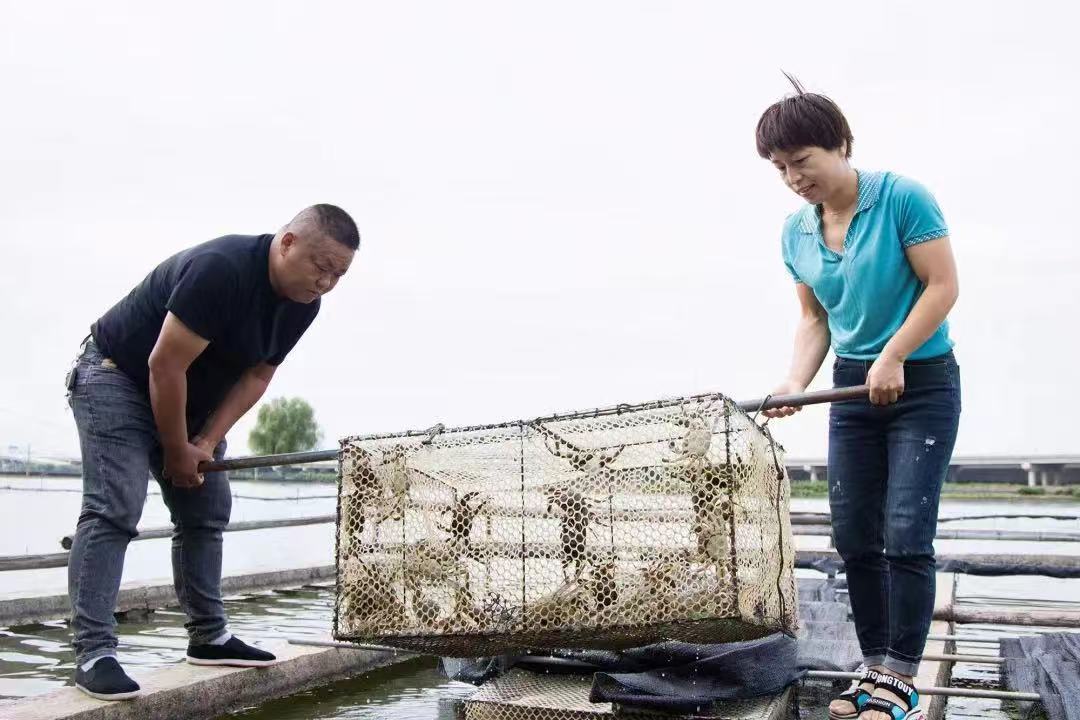
Core Insights - The article highlights the successful transformation of Houwei Village in Nanjing's Pukou District through crab farming, leading to a significant increase in collective income to 6 million yuan this year from previously less than 2,000 yuan per capita annual income [1] Group 1: Economic Development - Houwei Village has leveraged the ecological advantages of the Chu River to develop a crab farming industry, contributing to local economic revitalization [1][5] - The annual revenue of the Qingqingyuan Family Farm, run by siblings Chen Yugen and Chen Yuxiang, has reached 5 million yuan with a farming area of 300 acres [6] - The average income per mu for farmers in the village is projected to be around 8,000 yuan by 2025, with a total aquaculture area of 9,470 acres [11] Group 2: Ecological Governance - The Chu River, spanning 36.7 kilometers, serves as a natural link for surrounding towns and is subject to a collaborative governance model involving multiple provinces to address ecological challenges [3] - A dual ecological compensation mechanism has been established, ensuring that areas exceeding water quality standards compensate those that meet them, resulting in a 100% compliance rate for cross-border water quality [3] Group 3: Technological Innovation - The introduction of smart farming techniques, including real-time water quality monitoring through IoT and drone technology, has significantly improved the efficiency and sustainability of crab farming [4][6] - The implementation of an ecological transformation system for aquaculture ponds has facilitated the purification and recycling of wastewater, enhancing environmental sustainability [7] Group 4: Brand Development and Market Strategy - The village has developed the "Shangong Crab" brand, which has gained market recognition, and established research bases in collaboration with local agricultural universities to enhance crab quality [8][10] - The integration of agritourism, including crab tasting and fishing experiences, has diversified income sources and attracted visitors, contributing to the overall economic growth of the region [10]