工厂操作系统

Search documents
三张订单看变化丨一张传统热电厂的AI新订单
Xin Lang Cai Jing· 2025-12-19 12:36
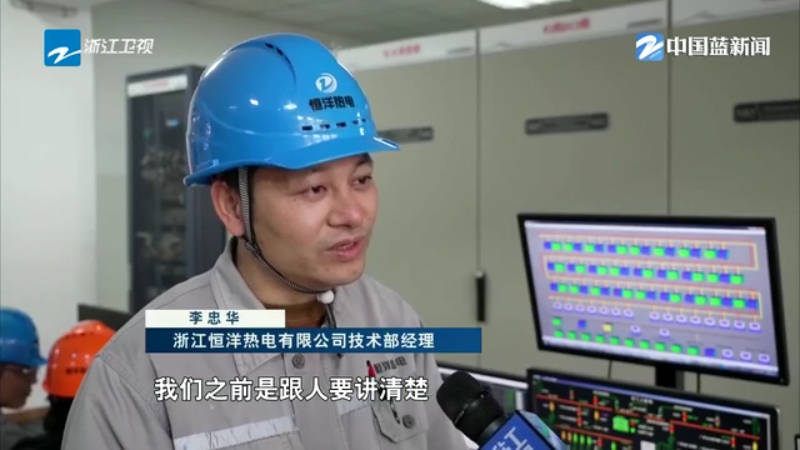
Core Insights - Zhejiang is accelerating the integration of artificial intelligence into new industrialization, with a pressing demand for the intelligent upgrade of traditional factories, leading to the emergence of a new service market [15][32]. Group 1: AI Implementation in Traditional Industries - The AI digital employee developed by Hengyang Thermal Power and Ningbo Lanzhu Digital Technology is capable of automatically adjusting gas supply based on user needs, showcasing the practical application of AI in traditional industries [21][17]. - The AI digital employee is expected to save approximately 2 million yuan annually, attracting larger companies like Hefei Thermal Power to sign digital service orders [3][21]. - Hengyang Thermal Power has successfully opened a new digital service track beyond its traditional business by securing its first AI digital service order from Hefei Thermal Power [6][23]. Group 2: Collaboration and Market Opportunities - Lanzhu Digital Technology has collaborated with numerous traditional enterprises to create specialized systems and applications, responding to the demand for AI solutions in manufacturing [12][30]. - The company has released a new generation of factory operating systems and is actively seeking global partnerships to address the digital transformation and intelligent upgrade challenges faced by manufacturing enterprises [30][12]. - The Zhejiang province has published a list of AI scenario demand and a list of key AI + manufacturing service providers, indicating a strategic push towards digital service market opportunities [29][12]. Group 3: Economic Growth and Industry Trends - In the first ten months, the revenue of information transmission, software, and IT service enterprises in the province grew by 13.2%, contributing to a 5.8 percentage point increase in the revenue of regulated service enterprises [15][32]. - The core industries of the digital economy, including service and technology services, are experiencing double-digit growth, reflecting a robust trend in the integration of advanced manufacturing and modern services [32][15]. - The Ningbo Economic and Information Bureau emphasizes the importance of collaboration between manufacturing enterprises and service providers to foster innovation and benefit the entire supply chain [33].

国泰海通|计算机:AI点亮灯塔工厂,引领智能制造新范式
国泰海通证券研究· 2025-11-24 12:10
Core Insights - The article emphasizes the evolution of lighthouse factories as key carriers of new productive forces and new industrialization, driven by AI and the "14th Five-Year Plan" [1][3] - It highlights the increasing influence of AI on lighthouse factories, positioning AI+ manufacturing as a top-level driver for the development of these factories [2][3] Group 1: Lighthouse Factory Development - Lighthouse factories have transitioned from being technology models to global smart manufacturing hubs, representing the highest level of global smart manufacturing [2] - The assessment focus of lighthouse factories has evolved from single-point applications of Industry 4.0 to comprehensive operational upgrades that include sustainability, supply chain resilience, talent systems, and customer orientation [2] - The latest lighthouse factories have significantly improved key performance indicators such as labor productivity and delivery cycles, with AI applications reducing defect rates, energy consumption, and production cycles [2] Group 2: Policy and Market Dynamics - The Chinese government has integrated digitalization, networking, intelligence, and greening into the main line of manufacturing development, viewing smart and lighthouse factories as important carriers of new productive forces [3] - Local governments are providing financial subsidies, pilot demonstrations, and industrial funds to cultivate lighthouse factories, creating a complete policy chain from diagnosis to demonstration [3] - The industry layout of lighthouse factories in China is extending into high-tech fields, with core operational indicators significantly surpassing the global average [3] Group 3: Domestic Industry Collaboration - Domestic industrial software and automation vendors are becoming the core drivers of the lighthouse factory ecosystem, focusing on industrial software, automation control, industrial internet, and AI models [3] - These companies are providing comprehensive capabilities from "factory operating systems" to scenario-based solutions, enhancing the digital foundation of lighthouse factories [3]