
灯塔工厂

Search documents
创明新能源开门红!32140大圆柱电池大批量出海印度及东南亚地区
起点锂电· 2026-03-11 01:11
Group 1 - The core theme of the event is the advancement of all-tab technology and its leadership in the large cylindrical battery market, with the second cylindrical battery technology forum scheduled for April 10, 2026, in Shenzhen [1] - The event is organized by Qidian Lithium Battery and Qidian Research Institute SPIR, with several prominent sponsors and speakers from the lithium battery industry [1] Group 2 - Chuangming New Energy has achieved a strong start in 2026, with its self-developed 32140 lithium iron phosphate large cylindrical battery being mass-produced and supplied to the Indian and Southeast Asian markets, particularly for small power applications like electric two-wheelers [2][4] - The 32140 large cylindrical battery offers four core advantages: high cost-performance, rapid charging capabilities, long cycle life exceeding 6000 times at room temperature, and high safety standards, significantly reducing maintenance costs [5][4] Group 3 - To meet the rapidly growing market demand, the company is enhancing product performance and service capabilities, focusing on the "dynamic storage linkage" scenario, and accelerating the construction of two new production lines expected to add 10 GWh of capacity, potentially increasing annual revenue by approximately 5 billion [7] - The company is also advancing its digital and green upgrade strategy, initiating "zero-carbon factory" certification and accelerating the construction of "lighthouse factories" to enhance resilience and efficiency in smart manufacturing [7]


中信戴卡摩洛哥总裁巴德·拉穆迪:海外更需要中国的解决方案,而不只是中国的产品
麦肯锡· 2026-02-25 02:18
Core Insights - The establishment of the first "Lighthouse Factory" in Africa, the CITIC Dicastal Morocco plant, signifies a milestone for Chinese manufacturing's global expansion and showcases the successful digital transformation that can transcend borders [1][2]. Group 1: Factory Achievements - The CITIC Dicastal Morocco plant has implemented over 40 digital use cases, achieving a 17% increase in equipment efficiency, a 27% rise in labor productivity, and a 53% reduction in Scope 1 and Scope 2 emissions [1]. - The factory has grown from fewer than 400 employees at its inception to over 1,800, with more than 95% being local hires, emphasizing the importance of local talent development [5][6]. Group 2: Digital Transformation and Supply Chain - The Morocco plant's digital transformation is characterized by learning from the Qinhuangdao plant, adapting successful practices, and implementing a unique AI-driven casting system that enhances efficiency and reduces labor costs [9][10]. - The supply chain in Morocco is still developing, with efforts to stabilize it by supporting local suppliers and leveraging CITIC Dicastal's global supply chain [4]. Group 3: Cultural Integration and Localization - The plant emphasizes cultural integration through a dual mentorship system, where Chinese experts provide technical guidance while local mentors offer cultural insights, fostering a collaborative environment [13][18]. - Over 90% of the management team in Morocco is local, highlighting the commitment to extreme localization as a key aspect of successful globalization [15]. Group 4: Strategic Insights for Global Expansion - The company advocates for understanding local needs and delivering innovative solutions rather than merely exporting products, which is crucial for Chinese enterprises looking to expand internationally [16][22]. - The choice of greenfield investment over acquisition is seen as a strategic advantage, allowing for the establishment of core capabilities from the ground up [12][14].

海辰储能:深耕全球储能市场,加速技术迭代与规模化应用
Sou Hu Cai Jing· 2026-02-14 12:34
Core Insights - Haicheng Energy is making significant advancements in smart manufacturing, technology research and development, global market expansion, and capacity construction, reinforcing its leading position in the energy storage industry and demonstrating strong capabilities for promoting high-quality development in the sector [1] Group 1: Smart Manufacturing - On January 16, Haicheng Energy's Chongqing base was recognized as a new global "Lighthouse Factory" by the World Economic Forum for 2026, becoming the world's first energy storage battery "Lighthouse Factory" and the first mass production facility for kilowatt-hour long-duration energy storage batteries, filling a gap in the energy storage battery sector [3] - The Chongqing base features the world's first production line dedicated to long-duration energy storage batteries, focusing on mass production of kilowatt-hour level batteries, providing solid manufacturing support for long-duration energy storage applications [3] Group 2: Global Market Expansion - Haicheng Energy has accelerated its overseas market expansion, achieving significant results with multiple regional projects. During the Abu Dhabi exhibition, the company signed a contract with Infinity Power to deploy a total of 120MWh energy storage system products, aiding in the efficient consumption of renewable energy in the Middle East and North Africa [3] - On January 30, during a business forum co-hosted by the China Council for the Promotion of International Trade and the UK government, Haicheng Energy's Wu Zuyu met with UK Prime Minister Starmer to discuss energy storage cooperation, with plans for a £200 million investment in the UK, creating 300 high-quality jobs [3] Group 3: Technological Innovation and Global Strategy - Recent actions by Haicheng Energy reflect its strategy centered on long-duration energy storage technology and its commitment to deepening its presence in the global energy storage market, showcasing the advancement of Chinese energy storage companies into the high-end of the global value chain [4] - As a global leader in energy storage value, Haicheng Energy will continue to leverage its "Lighthouse Factory" smart manufacturing capabilities to accelerate the iteration and large-scale application of long-duration energy storage technology, while deepening its global layout strategy of "R&D globalization, manufacturing localization, and local service" [4]
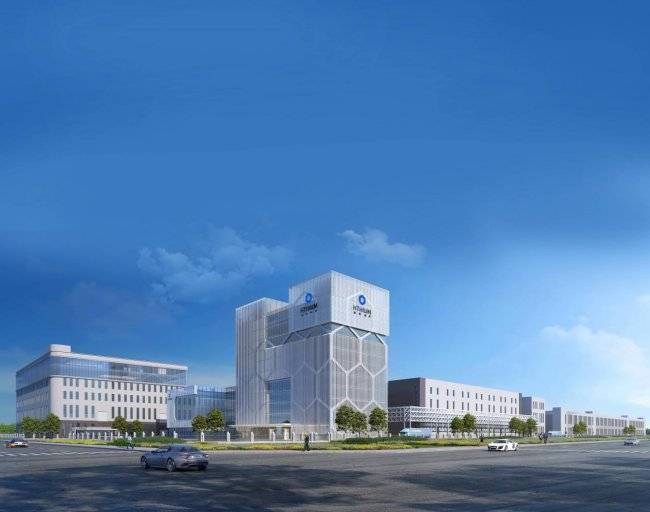
“灯塔工厂”照亮投资价值,为何说出货量跃居全球第二的海辰储能会是“潜力股”?
Zhi Tong Cai Jing· 2026-02-11 02:12
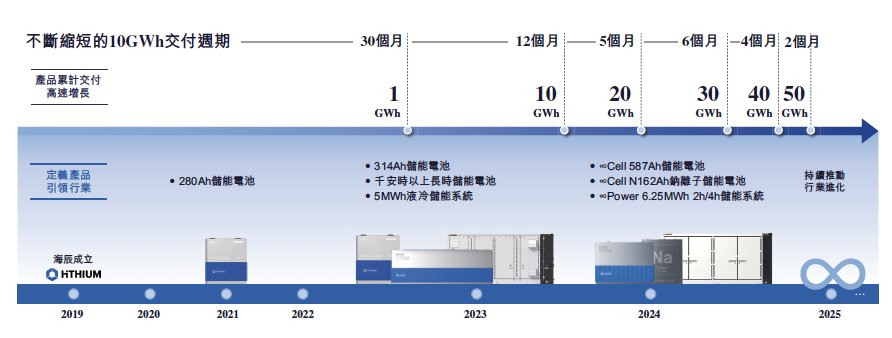
Core Viewpoint - The energy storage battery industry is experiencing significant and rapid changes in market positioning, with HaiCheng Energy emerging as a key player, ranking in the top two for global energy storage battery shipments in 2025, reflecting a robust growth trajectory in the sector [1] Group 1: Market Growth and Rankings - The global energy storage battery shipment is projected to grow over 80% year-on-year, reaching 640 GWh in 2025 [1] - HaiCheng Energy has achieved a notable position in the market, ranking in the top two for both overall energy storage battery shipments and large-scale battery shipments in 2025 [1] Group 2: Manufacturing Excellence - HaiCheng Energy's Chongqing base has been recognized as the world's first "lighthouse factory" for energy storage batteries, highlighting its advanced smart manufacturing capabilities [2] - The Chongqing facility integrates over 40 digital solutions, utilizing cutting-edge technologies such as generative AI and machine learning to enhance the entire production process from R&D to quality control [3] Group 3: Operational Efficiency and Growth - The delivery cycle for HaiCheng Energy's 10 GWh scale has significantly shortened from several months to just a few months, demonstrating exceptional operational resilience and scalability [4] - The company has achieved a compound annual growth rate of 167% in energy storage battery shipments from 2022 to 2024, with a remarkable 250% year-on-year increase in the first half of 2025 [4] Group 4: Investment Value - The recognition of the Chongqing base as a "lighthouse factory" serves as a compelling value anchor for investors, showcasing HaiCheng Energy's competitive advantages beyond just growth metrics [6] - The company's ability to lead industry upgrades through smart manufacturing positions it favorably in a competitive market, contributing to its ascent as the second-largest global energy storage battery supplier by 2025 [6]
江苏盐城两家企业入选全球“灯塔工厂”
Ke Ji Ri Bao· 2026-02-03 08:09
Group 1 - The World Economic Forum recently announced the latest "Lighthouse Factory" list, with two companies from Yancheng, Jiangsu, being recognized: Faurecia (Yancheng) Automotive Components Systems Co., Ltd. and Jiangsu Yueda Textile Group Co., Ltd. This marks the first time Yancheng has achieved "Lighthouse Factory" status [1] - Faurecia's Yancheng factory is the first "Lighthouse Factory" in the global automotive seating sector, while Yueda Textile is the first in the global cotton textile industry [1] - A total of 23 companies worldwide were selected as "Lighthouse Factories," with 16 of them from China, showcasing significant technological and operational innovations that serve as replicable models for global manufacturing [1] Group 2 - Faurecia Yancheng has focused on the automotive seat rail niche market since its establishment in 2011, advancing digital transformation through a comprehensive data collection system, upgraded smart production equipment, and optimized AI applications, achieving an annual production capacity of 30 million sets and sales exceeding 2 billion yuan [2] - Yueda Textile has transitioned from traditional textile methods to a new intelligent manufacturing path, emphasizing high-end, intelligent, and green production, establishing a 100,000-spindle green intelligent factory, and addressing industry challenges such as labor intensity and quality control [2] - Yancheng's industrial foundation has supported the emergence of these "Lighthouse Factories," with the city developing new productive forces and modern industrial systems, achieving an industrial output exceeding 1 trillion yuan, and significantly increasing the number of high-tech enterprises and specialized "little giant" companies [2] Group 3 - "Lighthouse Factories" are seen as benchmarks for smart manufacturing and a concentrated representation of industrial digitalization levels, with Yancheng aiming to leverage this recognition to enhance technological and industrial innovation integration, accelerate AI-driven industrialization, and pursue a green low-carbon transition [3]
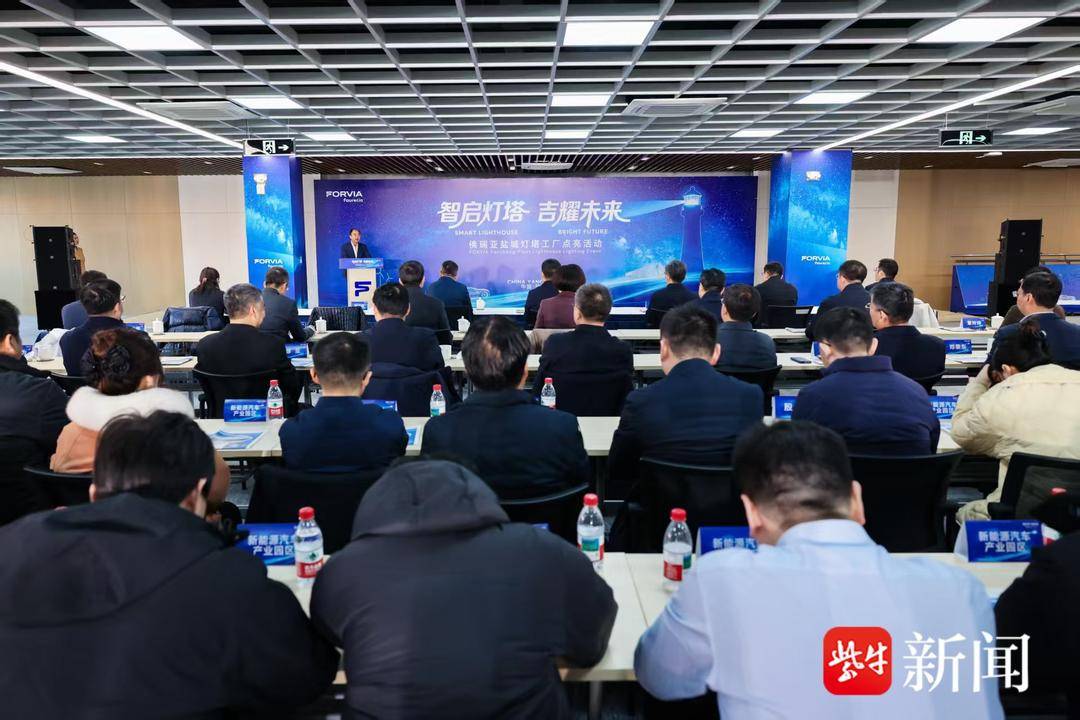
全球汽车座椅领域首座“灯塔工厂”,佛吉亚(盐城)公司举行“灯塔工厂”点亮活动
Yang Zi Wan Bao Wang· 2026-01-25 07:42
Core Viewpoint - The establishment of the "Lighthouse Factory" by Faurecia in Yancheng represents a significant achievement in smart manufacturing and digital transformation, highlighting the company's leadership in the global automotive seat rail production sector and contributing to the advancement of Yancheng's industrial modernization [3][5]. Group 1: Company Achievements - Faurecia has been recognized as a "Lighthouse Factory," which is considered the most advanced factory globally, showcasing top-tier capabilities in smart manufacturing and digitalization [3]. - The company has successfully transformed its operations over the past 15 years, leading to its recognition as a benchmark in the automotive industry [3][5]. Group 2: Strategic Importance - Yancheng is positioned as a crucial partner in Faurecia's strategic layout in China, emphasizing the city's role in the company's growth and innovation journey [5]. - The Yancheng factory serves not only as an advanced manufacturing base but also as an innovation demonstration platform and a hub for future technologies aimed at global customers [5][6]. Group 3: Future Outlook - Both Faurecia and Yancheng are at a pivotal moment filled with challenges and opportunities, with a shared belief that collaboration will lead to greater value creation and a sustainable future [6].
达沃斯高光时刻!海信电视斩获全球电视行业 “灯塔工厂”奖杯
Zheng Quan Ri Bao Wang· 2026-01-20 09:49
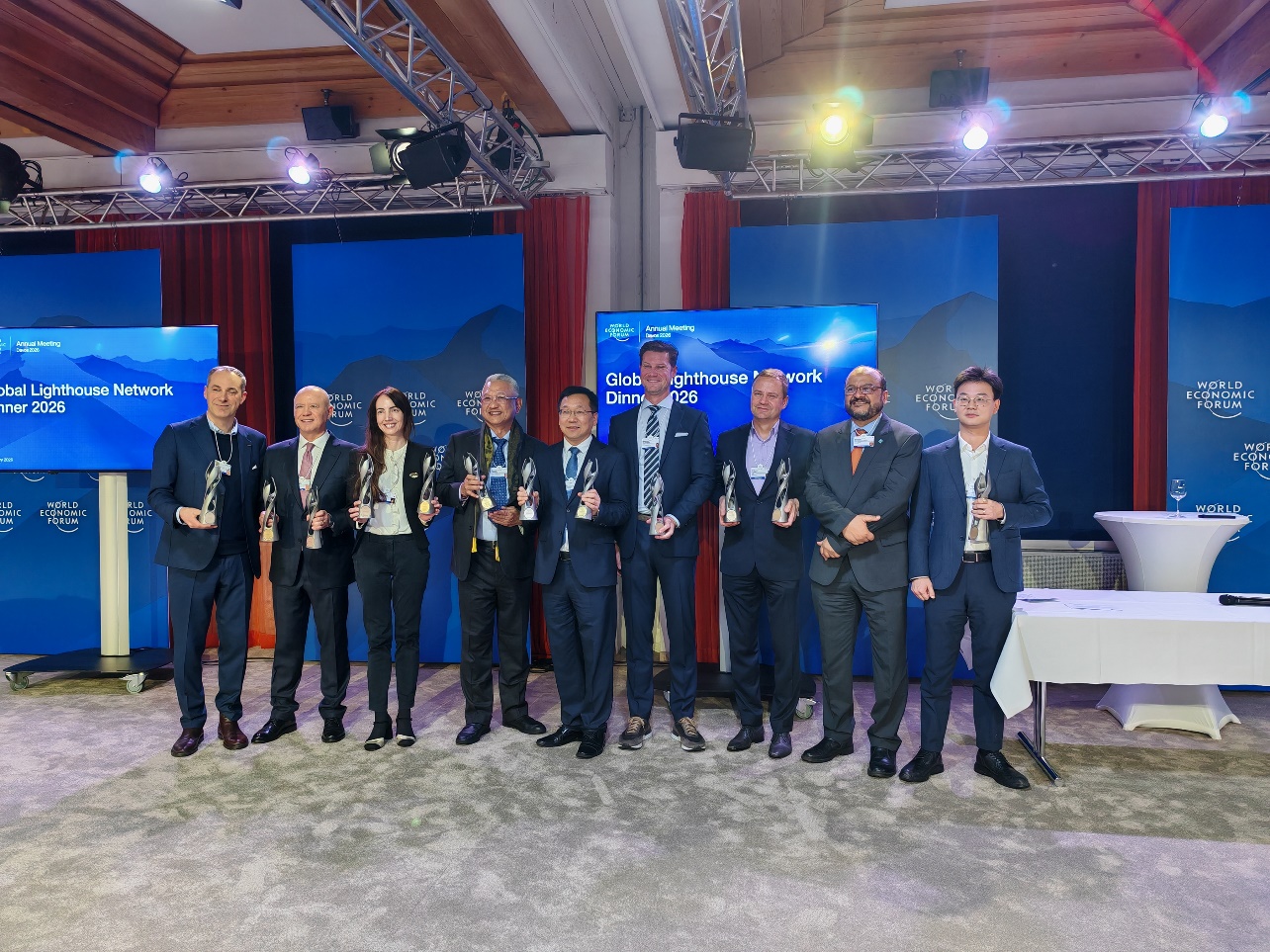
Core Viewpoint - Hisense TV factory has been awarded as the first "Lighthouse Factory" in the global television industry, recognizing its digital transformation driven by user-centric approaches and AI technology [1][5]. Group 1: Award and Recognition - The "Lighthouse Factory" award is a prestigious recognition by the World Economic Forum (WEF) and McKinsey, highlighting exemplary smart manufacturing and digitalization in the global manufacturing sector [5]. - Hisense's factory is the first in the television industry to receive this award, filling a gap in smart manufacturing within the sector [5]. - The global network of Lighthouse factories now includes 224 members, with 101 located in China [5]. Group 2: Technological Advancements - Hisense has successfully reduced the product function development cycle by 62% through the application of AI and full-chain digital technology [3][7]. - The factory has implemented over 40 advanced use cases integrating AI, big data, VR, and simulation technologies, leading to significant improvements in various operational aspects [9]. - The software development cycle has been shortened by 31%, and the efficiency of research and development has increased by 27% [9]. Group 3: Operational Efficiency - The factory can produce an 85-inch large-screen TV every 20 seconds, breaking traditional manufacturing efficiency bottlenecks [9]. - In the process design phase, it takes only 5 minutes to automatically generate comprehensive process plans, improving efficiency by 75% [9]. - Training time for new employees has been reduced by 60%, enhancing overall operational efficiency [5]. Group 4: Industry Impact and Commitment - Hisense aims to share its experiences and user cases with global partners, contributing to the resilience of the industry and promoting sustainable growth through technological innovation [11].

城市24小时 | 新年首发,“北方第一省”踩中爆发期
Mei Ri Jing Ji Xin Wen· 2026-01-16 16:49
Group 1 - The successful launch of the Ceres-1 sea-launched rocket marks a significant achievement for the Haiyang Dongfang Spaceport, indicating a strong start for commercial space launches in 2026 [1] - Since 2019, the Haiyang aerospace industry has attracted 32 projects with investments exceeding 32.2 billion yuan, establishing itself as a strategic emerging industry cluster in Shandong Province [1][2] - The Haiyang Dongfang Spaceport is the only commercial sea launch mother port in China, having successfully completed 22 sea launch missions, sending a total of 137 satellites into orbit [1] Group 2 - In 2025, China completed 87 space launch missions, with private commercial rocket companies executing 23 of them, highlighting the growing importance of the commercial space sector alongside new energy vehicles and integrated circuits [2] - Shandong's geographical advantage, particularly its coastal location, allows for favorable weather conditions and flexibility in launch site selection, reducing transportation costs and time by nearly 30% [2] - The launch events in Rizhao have become a significant attraction for tourism, drawing thousands of visitors and boosting local consumption in sectors like dining and accommodation [2] Group 3 - Shandong plans to establish a comprehensive aerospace industry chain by 2027, aiming for an annual production capacity of 100 launch vehicles and 150 commercial satellites, with the industry scale reaching 50 billion yuan [5]
【铜融评论】全球首个储能电池“灯塔工厂”头衔缘何被重庆海辰储能摘取?
Sou Hu Cai Jing· 2026-01-16 12:37
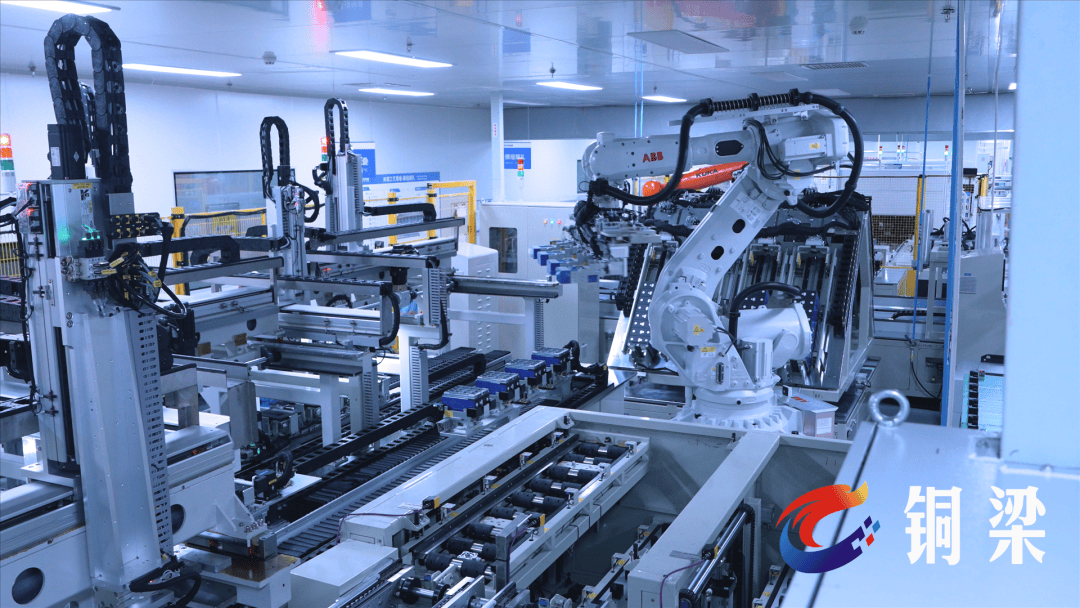
Core Viewpoint - The news highlights the recognition of Chongqing Haichen Energy Storage Technology Co., Ltd. as the world's first "lighthouse factory" for energy storage batteries, showcasing China's leadership in intelligent manufacturing and digital upgrades in the energy storage industry [3][9]. Group 1: Lighthouse Factory Concept - The "lighthouse factory" concept originates from Germany's Industry 4.0 strategy, representing top-tier intelligent manufacturing capabilities [3]. - The selection of lighthouse factories began in 2018, initiated by the World Economic Forum (WEF) and McKinsey, recognizing factories that innovate in technology and business models [3]. Group 2: Haichen's Achievements - Haichen Energy Storage stood out due to its excellence in intelligent manufacturing, R&D innovation, and supply chain management, becoming a significant representative of Chongqing and Tongliang [3]. - The factory is noted for its focus on long-duration energy storage, featuring the world's first dedicated production line for long-duration energy storage batteries [7]. Group 3: Economic Impact and Industry Development - The establishment of Haichen Energy Storage in Tongliang was remarkably swift, taking only 48 days from initial discussions to project launch, exemplifying the region's efficient business environment [4]. - By 2025, the new energy storage industry in Tongliang is projected to achieve an output value of 17 billion yuan, reflecting a 70% year-on-year growth [6]. Group 4: Technological Advancements - The factory boasts an automation rate of 89% on its production line, with high-risk processes fully automated, showcasing advanced integration of automation and digital technologies [7]. - AI technologies are utilized in both R&D and supply chain management, significantly reducing the R&D cycle by 31% and enhancing supply chain responsiveness [7]. Group 5: Ecosystem and Collaboration - The establishment of Haichen Energy Storage has attracted several upstream and downstream enterprises, forming a complete new energy storage industry chain in Tongliang [6]. - The local government's supportive policies and collaborative mindset are crucial in fostering an environment conducive to innovation and growth for companies like Haichen Energy Storage [9].
全球首个电视“灯塔工厂”诞生记
Jing Ji Guan Cha Wang· 2026-01-16 03:27
Core Viewpoint - The World Economic Forum has welcomed 23 new "lighthouse factories" into its global network, showcasing advanced technologies that enhance production efficiency, supply chain resilience, sustainability, talent development, and customer-centric practices. Hisense's Qingdao factory is the only "lighthouse factory" in the global television industry, recognized for its intelligent, digital, and user-centered manufacturing capabilities [1]. Group 1: Factory Overview - Hisense's Qingdao factory covers an area of 310,000 square meters and produces a television every 20 seconds, representing a decade of continuous upgrades in smart manufacturing [1]. - The factory aims to combine top-tier smart manufacturing capabilities with a deep focus on user needs, transitioning from a single product technology advantage to a comprehensive advantage that includes cutting-edge technology, industrial manufacturing, and user experience [2]. Group 2: Challenges and Solutions - Hisense faced the challenge of adapting to diverse global market preferences, leading to the development of hundreds of television models annually. The company shifted its focus from merely "excellence in manufacturing" to a user-centered approach utilizing AI, big data, and VR simulation [2][3]. - The construction of a "lighthouse factory" requires significant technical accumulation and continuous investment over a decade, with Hisense starting its smart manufacturing initiative as a top priority in 2015 [3][4]. Group 3: Technological Integration - Hisense has integrated AI throughout the entire production process, utilizing over 40 use cases that combine intelligent agents, big data, VR, and digital simulation technologies to enhance efficiency, quality, and flexible manufacturing [7]. - The factory has achieved a 34% reduction in R&D cycles and an 18% decrease in material costs, while also improving employee training time by 60% [8]. Group 4: Future Vision - The future vision for Hisense includes the development of a "factory brain" that can manage and optimize multiple factories globally, enhancing standardization and intelligence in production processes [11]. - The plan to replicate the "lighthouse factory" model involves four steps: establishing IoT connectivity, empowering AI scenarios, coordinating global factories, and evolving into a smart entity capable of proactive decision-making [10].