废旧家具

Search documents
废旧家电家具回收,有了变化
Ren Min Ri Bao· 2025-12-24 22:18
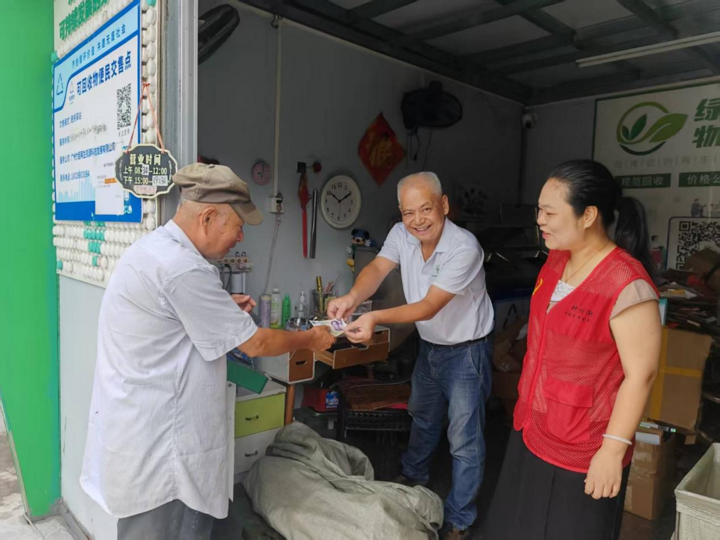
Group 1 - The core viewpoint of the articles highlights the increasing attention on the recycling and disposal of old household appliances and furniture, driven by the ongoing "old-for-new" consumption policy in China [1][2] - In Guangzhou, a new model for recycling has been established, involving collaboration between enterprises, property management, and community promotion, with over 120 collection points for old furniture already set up [1] - The "Internet+" recycling model is being integrated into residents' daily lives, exemplified by the "Sui Recycling" platform, which allows residents to easily schedule pickups for old furniture [1] Group 2 - Regulatory measures are being strengthened across multiple regions to ensure more standardized disposal of old household appliances and furniture, with a projected 20% increase in the number of standardized dismantled appliances in 2024 [2] - Experts suggest encouraging more social participation in the recycling industry, proposing precise tax reduction standards and increased funding and technical subsidies to support the sector [2] - There is a call for enhanced regulatory oversight to prevent secondary pollution during the dismantling and reuse processes, aiming for a balance between economic and ecological benefits [2]
废旧家电家具回收体系日益完善
Xin Hua She· 2025-12-22 02:49
Core Viewpoint - The recycling and disposal system for old household appliances and furniture is becoming increasingly efficient, driven by the ongoing "old-for-new" consumption policy, which is positively impacting the potential for consumer spending in this sector [1] Group 1: Recycling Network Expansion - The number of recycling points is increasing, with over 120 collection points for old furniture in Guangzhou, allowing residents to either drop off items or schedule pickups [2] - In Guangxi, cities like Wuzhou and Liuzhou have over 700 recycling points each, while Wuhan has established 2,320 standardized community recycling points by the end of 2024 [2] - Hangzhou has set a target of one recycling point for every 1,000 urban households and one for every 2,000 rural households, with 48 sorting centers and 2,676 recycling points established by the end of 2024 [2] Group 2: Diverse Recycling Models - The "Internet+" recycling model is integrating into daily life, with platforms like "Sui Recycling" in Guangzhou offering cash for appliances and charging fees for furniture due to lower reuse value [3] - Zhejiang's Tiger Brother Waste Management Company has implemented an online order and pickup service, covering 379,000 households in Hangzhou's Yuhang District by September 2025 [3] - Companies like Haier are building national recycling networks and establishing recycling factories, while IKEA is using a buyback strategy to encourage second-hand furniture sales [3] Group 3: Standardized Disposal Practices - Companies like Shunde Xinhai Resource Utilization Co. in Guangdong are implementing traceable processing for old appliances, handling up to 2.6 million units annually [4] - The number of standardized dismantled appliances in China is expected to grow by 20% year-on-year in 2024, with Midea Group collaborating with certified dismantling companies to recover 4.6 million appliances [4] - Supportive policies for legitimate companies are promoting standardized recycling practices, with subsidies in Hangzhou reducing operational costs for recycling firms [4]
废旧家电家具的回收、处置体系日益完善
Xin Hua Wang· 2025-12-22 01:08
Core Insights - The article highlights the growing attention on the recycling and disposal of old household appliances and furniture, driven by the ongoing "trade-in" policy for consumer goods, which is enhancing the recycling system and promoting resource circulation in various regions of China [1] Group 1: Recycling Network Expansion - The establishment of more recycling points is evident, with over 120 collection points for old furniture in Guangzhou, allowing residents to either drop off items or schedule pickups through online platforms [2] - In Guangxi, cities like Wuzhou and Liuzhou have over 700 recycling points each, while Wuhan has built 2,320 standardized community recycling points by the end of 2024 [2] - Hangzhou has implemented a plan to set up one recycling point for every 1,000 households in urban areas and one for every 2,000 households in rural areas, resulting in 2,676 recycling points and 48 sorting centers by the end of 2024 [2] Group 2: Diverse Recycling Models - The integration of "Internet+" recycling models into daily life is notable, with platforms like "Sui Recycling" facilitating easy scheduling for old furniture pickups, having collected over 4,600 pieces of furniture and over 5,000 orders for appliances by November [3] - Companies are adopting "reverse recycling" models, with Haier establishing a nationwide appliance recycling network and recycling factories to create a complete appliance recycling system [3] - The introduction of cash or shopping card compensation for second-hand products at IKEA's circular market in Nanning reflects a growing trend in consumer engagement with recycling initiatives [4] Group 3: Standardization in Recycling and Disposal - Companies like Shunde Xinhai Resource Utilization Co., Ltd. are implementing traceable processing for old appliances, with a capacity to handle 2.6 million units and approximately 100,000 tons annually [5][6] - Regulatory measures are being strengthened to ensure the standardized disposal of old appliances, with a reported 20% year-on-year increase in the number of compliant appliances dismantled in 2024 [6] - Partnerships between companies and certified dismantling enterprises, such as Midea Group's collaboration, have led to the recovery and compliant dismantling of 4.6 million appliances by 2024 [6]
“买新易、扔旧难”逐渐成为过去时——打通废旧家具家电回收堵点观察
Xin Hua She· 2025-12-20 09:44
Core Insights - The recycling network for old furniture and appliances is improving, addressing the previous challenges of "easy to buy new, hard to throw away" [1][3] - The government and market responses, along with changing consumer attitudes, are driving the development of a more efficient recycling system [3][5] Group 1: Recycling Network Development - In Hubei, a new service allows residents to trade in old appliances for discounts on new purchases, with old washing machines being collected for a 50 yuan discount [1] - By the end of 2024, Wuhan plans to establish 2,320 standardized community recycling points [1] - In Guangzhou, over 120 collection points for old furniture have been set up, facilitating the recycling process [1] Group 2: Digital and Innovative Recycling Solutions - The "Internet+" recycling network is emerging, with platforms allowing residents to submit requests for appliance pickups and receive online valuations [3] - GreenMei Co., Ltd. processes approximately 10 million old appliances annually, converting them into recyclable materials [3] - The Ministry of Commerce and other departments have issued guidelines to improve the recycling system, focusing on network planning and innovative recycling models [3][5] Group 3: Consumer Engagement and Environmental Awareness - Consumers are increasingly participating in recycling initiatives, with some exchanging old electronics for tickets to local attractions [5] - There is a growing habit among consumers to use smart recycling cabinets for disposing of old items, promoting space-saving and environmental benefits [5] - Feedback indicates a need for more transparent and standardized pricing in online recycling assessments to enhance consumer participation [5]

废旧家电家具回收,这些变化你感受到了吗?
Xin Hua Wang· 2025-12-19 03:09
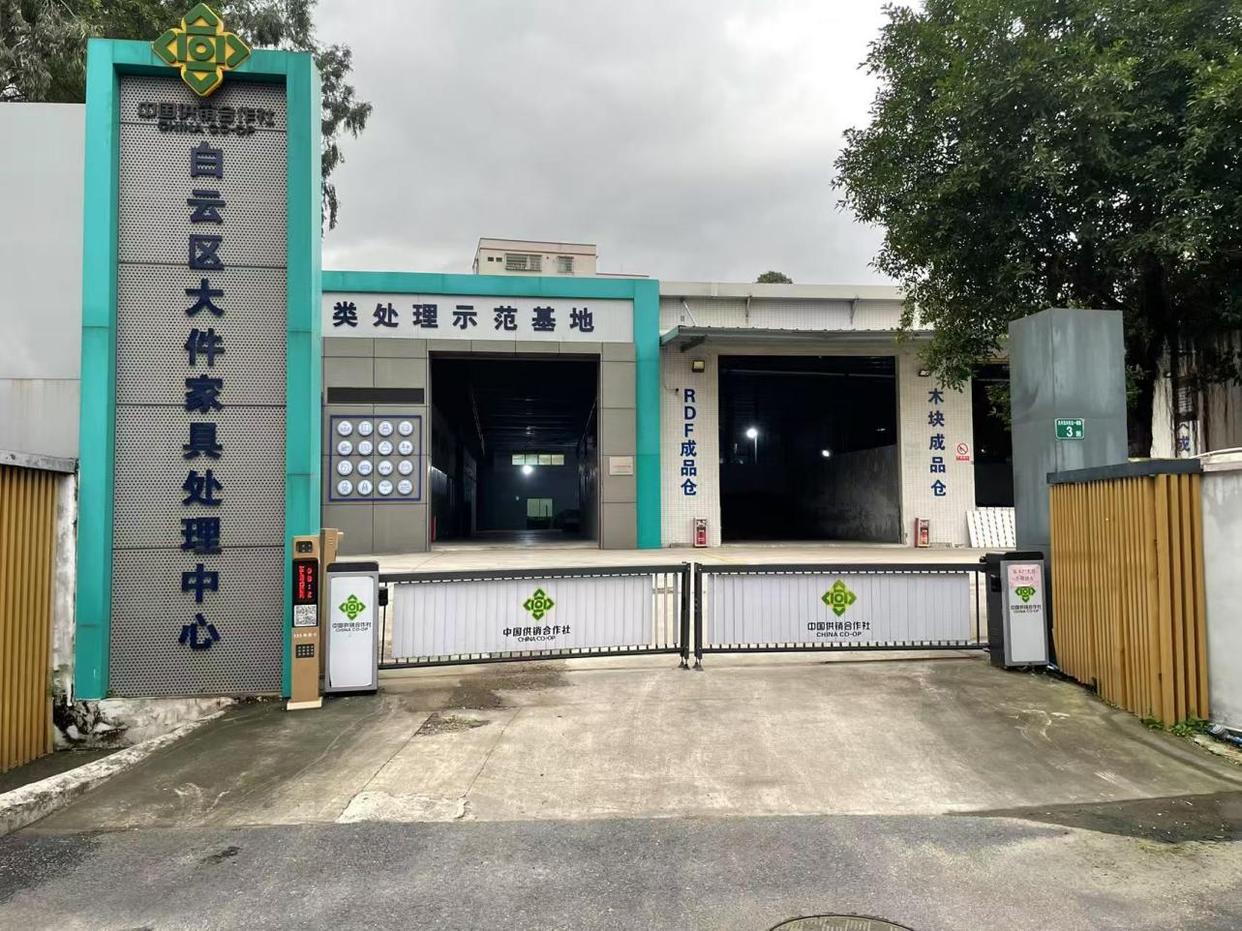
Core Viewpoint - The article highlights the growing attention on the recycling and disposal of old household appliances and furniture, driven by the effectiveness of the trade-in policy for consumer goods, which is enhancing the recycling system and promoting resource circulation in various regions of China [1]. Group 1: Recycling Network Expansion - The establishment of recycling points is becoming more concentrated, with over 120 collection points for old furniture in Guangzhou, allowing residents to either drop off items or schedule pickups online [4]. - In Guangxi, cities like Wuzhou and Liuzhou have over 700 recycling points each, while Wuhan has built 2,320 standardized community recycling points by the end of 2024 [4]. - Hangzhou has set a target of one recycling point for every 1,000 households in urban areas and one for every 2,000 in rural areas, with 2,676 recycling points and 48 sorting centers established by the end of 2024 [4]. Group 2: Diverse Recycling Models - The "Internet+" recycling model is integrating into daily life, with platforms like "Sui Recycling" facilitating easy scheduling for old furniture pickups, having collected over 4,600 pieces of furniture and over 5,000 orders for appliances by November [5]. - Companies like Haier are developing reverse recycling models, leveraging their extensive store networks to create a nationwide appliance recycling system [7]. - IKEA is implementing a buy-back program in its stores, offering cash or shopping cards in exchange for second-hand products [8]. Group 3: Standardization in Recycling and Disposal - Companies are enhancing the traceability of the recycling process, with firms like Shunde Xinhai Resource Utilization Co., processing up to 2.6 million appliances annually, ensuring proper handling of hazardous materials [10]. - The number of standardized dismantled appliances in China is projected to increase by 20% in 2024, with Midea Group collaborating with certified dismantling companies to recover and properly dismantle 4.6 million appliances [10]. - Local governments are providing policy support to legitimate companies, such as subsidies based on recycling volume, which helps reduce operational costs and ensures compliance with disposal regulations [10].