互联网+回收

Search documents
垃圾回收转运不能卡壳
Jing Ji Ri Bao· 2026-02-07 22:09
Core Insights - The Chinese government has issued the "Solid Waste Comprehensive Governance Action Plan" to standardize urban solid waste recycling and transportation systems, aiming to enhance waste classification and resource utilization levels [1] - China generates over 11 billion tons of various solid waste annually, including industrial, construction, household, agricultural, and hazardous waste, highlighting the need for efficient waste management systems [1] Group 1: Waste Management Challenges - There is a significant increase in public participation in waste classification, but the "last mile" of waste disposal still faces challenges, particularly in the layout and distribution of recycling points [1] - The integration of classification points and recycling points is necessary to create a comprehensive network that facilitates easy waste sorting and collection for residents [1] Group 2: Technological Innovations - New models and technologies, such as "Internet + Recycling," are emerging to improve solid waste recycling and transportation efficiency, including smart recycling cabinets and digital management platforms [2] - The exploration of multi-channel integration and online-offline collaboration in recycling models is essential for enhancing operational efficiency and control in solid waste management [2] Group 3: Regulatory Framework - Strict regulatory measures are required for construction sites and temporary storage areas to ensure comprehensive information management of solid waste sources, storage, and transportation [2] - Dynamic monitoring of transportation vehicles is crucial to prevent littering and improper disposal of construction waste, particularly to avoid transferring urban waste to rural areas [2] Group 4: Environmental Goals - Effective solid waste recycling and transportation are vital for advancing the construction of a beautiful China, contributing to cleaner cities and more livable environments [2]
商务部:鼓励“互联网+回收”“两网融合”等模式的发展
Xin Hua Wang· 2026-01-06 08:25
Group 1 - The State Council Information Office held a press conference on January 6 to introduce the promotion of green consumption [1] - The Ministry of Commerce's Director of Circulation Industry Development, Li Jialu, announced the identification of 32 pilot cities for the construction of recycling resource recovery systems and 78 pilot enterprises [1] - The development of models such as "Internet + Recycling" and "Two Networks Integration" is encouraged [1]
废旧家电家具回收,有了变化
Ren Min Ri Bao· 2025-12-24 22:18
Group 1 - The core viewpoint of the articles highlights the increasing attention on the recycling and disposal of old household appliances and furniture, driven by the ongoing "old-for-new" consumption policy in China [1][2] - In Guangzhou, a new model for recycling has been established, involving collaboration between enterprises, property management, and community promotion, with over 120 collection points for old furniture already set up [1] - The "Internet+" recycling model is being integrated into residents' daily lives, exemplified by the "Sui Recycling" platform, which allows residents to easily schedule pickups for old furniture [1] Group 2 - Regulatory measures are being strengthened across multiple regions to ensure more standardized disposal of old household appliances and furniture, with a projected 20% increase in the number of standardized dismantled appliances in 2024 [2] - Experts suggest encouraging more social participation in the recycling industry, proposing precise tax reduction standards and increased funding and technical subsidies to support the sector [2] - There is a call for enhanced regulatory oversight to prevent secondary pollution during the dismantling and reuse processes, aiming for a balance between economic and ecological benefits [2]
专家:全球再生金属原料贸易格局面临重构
Xin Hua Cai Jing· 2025-09-13 12:26
Core Viewpoint - The global competition for raw materials in the recycled metals industry is intensifying, prompting China to enhance its recycling efficiency and expand its import categories for recycled metal materials [1][2]. Group 1: Industry Trends - The dual drivers of China's "dual carbon" goals and the rapid development of the new energy industry are highlighting the resource security value and low-carbon attributes of recycled metals [1]. - By 2025, 63 countries globally will include recycled metal utilization in their carbon neutrality assessment systems, indicating a significant shift in international standards [1]. - Major international players are accelerating mergers and acquisitions to secure quality raw material resources, leading to a restructuring of the global recycled metal trade landscape [1]. Group 2: Regional Developments - In response to new changes, domestic companies are actively building a global recycling network and increasing research and development in recycling technologies to ensure stable supply of recycled metal materials [2]. - Southeast Asia and South Asia are emerging as new markets for global raw material distribution, with India importing an average of 1.8 million tons of recycled aluminum annually and Thailand's waste aluminum exports surging by 76% year-on-year [1]. - Countries like the US and EU are implementing tax incentives and regulations to boost local recycled metal industries, while regions like Southeast Asia are enhancing environmental regulations and considering import restrictions [1]. Group 3: Future Outlook - Experts predict that the recovery volume of recycled metal materials will significantly increase over the next five years, but the growth in demand may outpace supply [2]. - To strengthen China's "domestic + import" supply structure for recycled metal materials, it is recommended to establish an "Internet + recycling" smart system to improve the efficiency and precision of sorting recycled metal materials using AI technology [2].
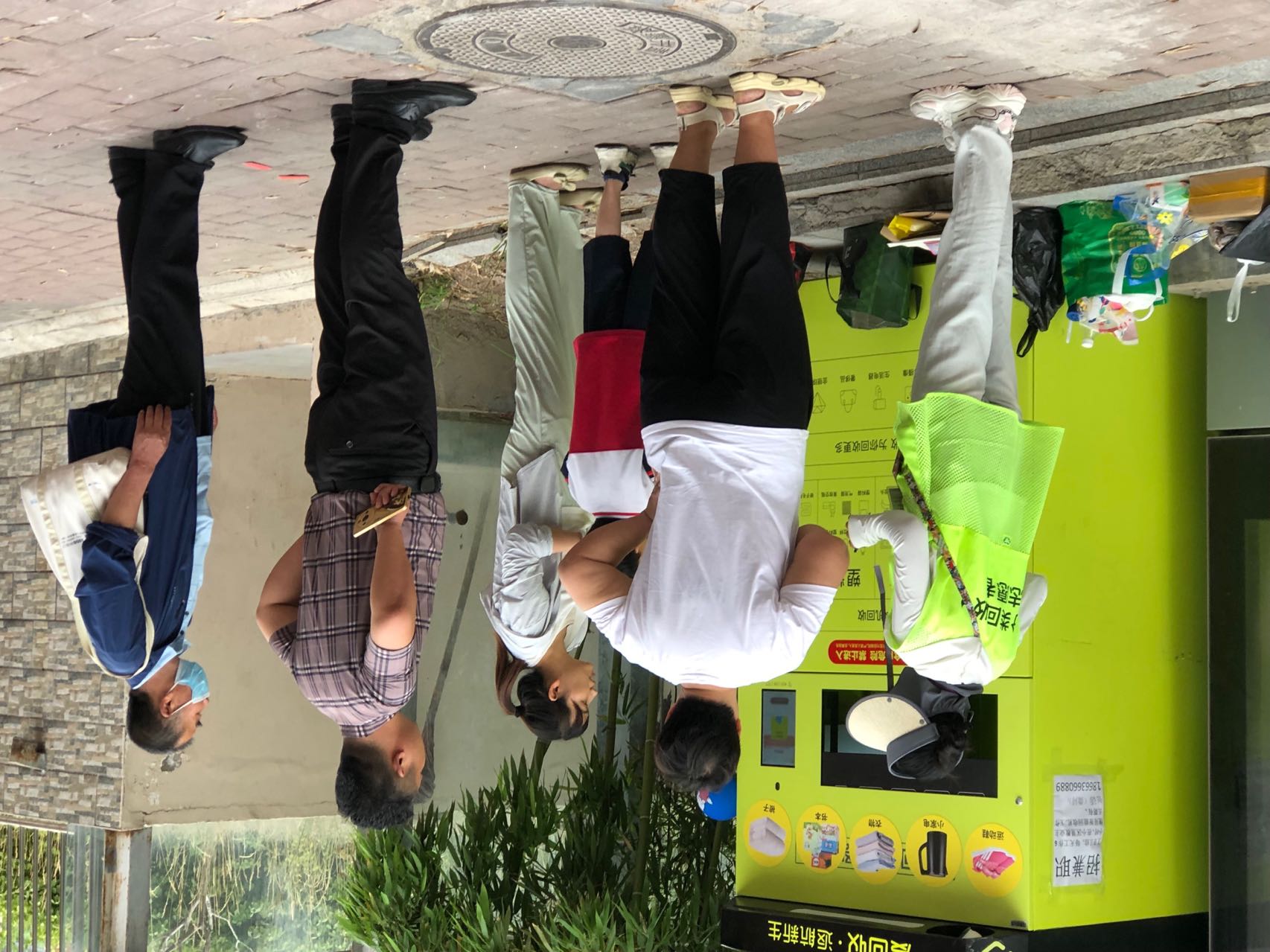
“互联网+回收” 助力绿色低碳生活
Qi Lu Wan Bao· 2025-07-03 10:19
Core Insights - The introduction of smart recycling machines in Qingdao's Jiaozhou City allows residents to deposit recyclable materials and receive monetary rewards based on weight, promoting recycling behavior [1][3] Group 1: Smart Recycling Machines - Jiaozhou's Zhongyun Street is the first area to implement smart recycling machines, which operate 24/7 and allow residents to deposit various recyclable materials conveniently [3] - The current recycling price for deposited materials is 0.6 yuan per kilogram, with a minimum withdrawal amount of 1 yuan to be transferred to WeChat [3] Group 2: Operational Efficiency - The smart recycling machines utilize real-time data to manage collection logistics, ensuring timely removal of materials when the machines are nearly full [3] - Each recyclable item is tracked with a unique QR code throughout the collection and transportation process, enabling full traceability from source to sale [3] Group 3: Waste Reduction and Recycling Process - Recyclable materials are sorted at a central facility and sent to recycling plants for processing, transforming waste into new products such as umbrellas and T-shirts [4] - Separating recyclable materials from general waste can reduce overall waste by more than one-third, preventing valuable resources from being incinerated or landfilled [4]