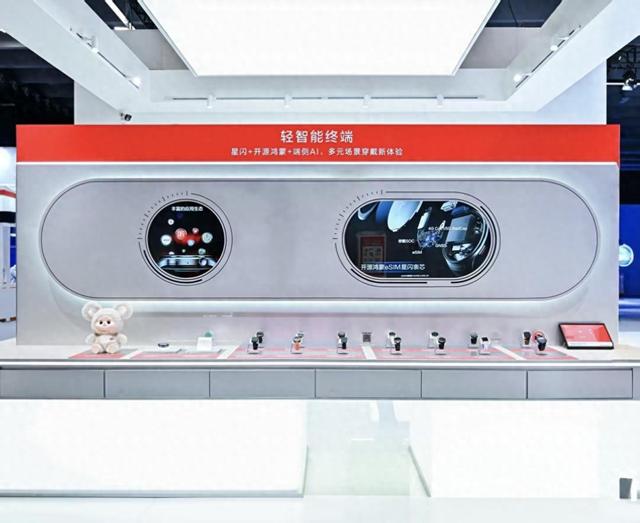
康养手表

Search documents
抢占银发经济风口,海尔推出行业首个全品类康养套系
Huan Qiu Wang· 2026-01-15 09:09
Core Viewpoint - The development of smart health and wellness appliances in China is responding to the growing silver economy, with significant innovations aimed at enhancing the quality of life for the elderly population [1][4]. Group 1: Market Potential - China has the largest elderly population globally, with a projected consumption market scale exceeding 100 trillion yuan by 2050 for individuals aged 60 and above [1]. - The "14th Five-Year Plan" emphasizes the development of the silver economy, guiding industry innovation and market growth [1]. Group 2: Product Innovation - Haier launched the Tianyue series, the first comprehensive AI smart health and wellness suite, integrating safety, convenience, and health management into daily life [1][3]. - The suite includes features such as gas stoves that can cut off gas supply in case of dry burning, and smart toilets with emergency call functions, creating a safety net for the elderly [3]. Group 3: User Experience - The Tianyue series aims to bridge the digital divide for the elderly by providing a seamless, intuitive user experience that reduces complexity in operation [3]. - Voice commands replace complicated buttons, and the design is intuitive, eliminating the need for user manuals [3]. Group 4: Health Management - The suite incorporates health monitoring features, such as heart rate tracking and fall risk alerts, into everyday appliances, promoting a proactive approach to health [3]. - Appliances like refrigerators and washing machines are designed to preserve nutrition and ensure hygiene, contributing to a comprehensive health ecosystem [3]. Group 5: Policy Alignment - The development of smart health solutions aligns with national policies aimed at enhancing the quality of life for the elderly, transitioning from mere care to a more enjoyable aging experience [4].


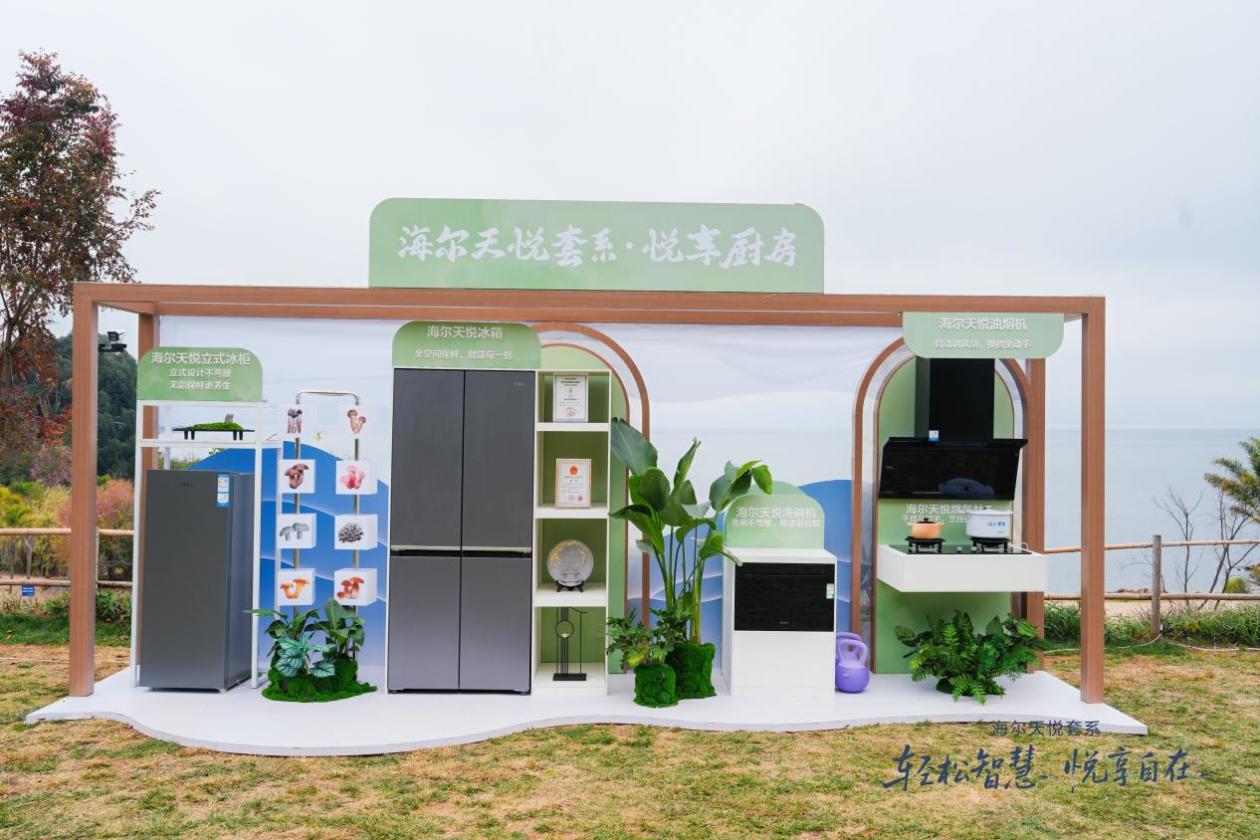
海尔发布行业首套全品类AI智慧康养套系
Huan Qiu Wang· 2026-01-13 10:41
Core Insights - The article highlights the launch of Haier's Tianyue series, the first full-category AI smart health and wellness product line, addressing the needs of the aging population and their families [1][7] Group 1: Product Features - The Tianyue series includes solutions for various living spaces such as smart kitchens, living rooms, balconies, and bathrooms, aimed at enhancing the quality of life for the elderly [1][7] - The series offers proactive safety measures, such as automatic gas shut-off in the kitchen and alerts for prolonged bathing, ensuring the safety of elderly users [3] - It provides user-friendly interfaces and voice-activated controls, making it easier for seniors to operate smart devices without feeling overwhelmed [4] Group 2: Health Management - The Tianyue series incorporates comprehensive health management features, including AI technology for food preservation and specialized appliances for maintaining cleanliness and comfort [6] - The products are designed to meet the higher quality of life expectations of the elderly, integrating health management into daily routines [6] Group 3: Market Position and Strategy - Haier has achieved a leading position in the global home appliance market, with 17 consecutive years of retail volume leadership and penetration into over 300 million Chinese households [6] - The company emphasizes user-centered innovation, as evidenced by the success of previous product lines, which have seen significant sales figures [6]
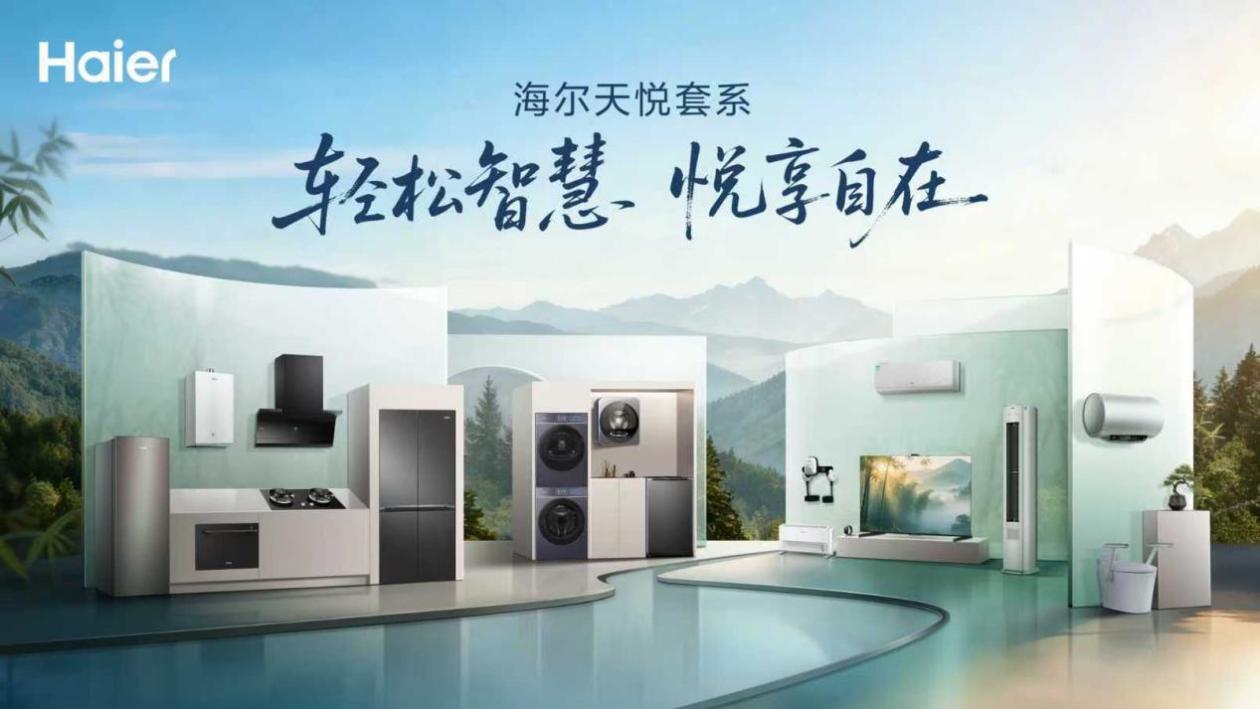
从内卷到破局:上海海思谛听穿戴方案重构智能手表产业逻辑
Xin Lang Cai Jing· 2025-12-23 23:14
Core Insights - The smartwatch market is currently facing a bottleneck, with consumer expectations for independent functionality clashing with manufacturers' struggles against product homogenization [1][3] - Shanghai HiSilicon's newly launched "Diting Wearable Solution" aims to address this gap by integrating open-source HarmonyOS, Starlink connectivity technology, and end-to-end AI collaboration into a ready-to-use package [1][3] Market Dynamics - The smartwatch industry is characterized by a lack of differentiation, with similar hardware components leading to intense price competition [1] - Shanghai HiSilicon's solution offers a way for manufacturers to escape this cycle by transforming smartwatches from mere hardware devices into long-term operational smart entry points [3] Ecosystem Development - The HarmonyOS ecosystem is pivotal, featuring over 50 applications that can be monetized, with expectations to exceed 100 by 2025, showcasing a growing scale effect [3][4] - The unified architecture of HarmonyOS allows for cross-brand application deployment, significantly reducing adaptation costs for developers [4] Technological Advancements - The W600 series GPU from Shanghai HiSilicon supports high-definition displays and video decoding, enabling features like "video watch faces" without the need for additional chips [6] - Power consumption has been optimized, with the 4G Cat1 module achieving standby power below 180μA, allowing for a week-long battery life with 4G connectivity [7] Connectivity Enhancements - The Starlink 2.0 protocol enhances transmission rates to 16Mbps, significantly improving audio quality and reducing interference in challenging environments [7] - GNSS positioning sensitivity has been optimized, ensuring accurate tracking even in complex scenarios [7] Practical Applications - The Diting Wearable Solution has been validated through a collaboration with China Telecom, resulting in a health monitoring smartwatch that utilizes AI for real-time alerts and services [8][11] - This collaboration has undergone extensive testing to ensure reliability and stability in real-world conditions, reducing trial and error costs for manufacturers [11] AI Integration - The solution incorporates end-side AI capabilities for noise reduction and health monitoring, enhancing user experience during outdoor activities [14] - The architecture allows for efficient collaboration between edge AI and cloud capabilities, ensuring user data privacy while providing advanced services [15] Modular Delivery - Shanghai HiSilicon's modular approach allows manufacturers to utilize a complete package of components, reducing development time and costs [16] - This model enables companies to focus on design and application differentiation rather than technical integration, which is crucial for smaller manufacturers [16] Strategic Implications - Manufacturers can quickly leverage existing successful models to launch differentiated products, supported by a growing application ecosystem [17] - The long-term vision includes a shift towards operational ecosystems, moving away from hardware sales to sustainable service models, potentially alleviating market saturation issues [17]