建筑碳信用产品

Search documents
上海两会聚焦建筑碳信用机制建设,助力“双碳”目标实现
2 1 Shi Ji Jing Ji Bao Dao· 2026-02-25 00:00
Core Viewpoint - The promotion of a comprehensive green and low-carbon transformation in the economy and society has become a crucial task for local development, with a focus on the establishment of a "building carbon credit mechanism" to enhance the value of emission reduction effects in green buildings [1] Group 1: Current Situation and Challenges - China's construction sector accounts for approximately 40% of the country's total carbon emissions, with public building operation emissions contributing about 9% [1] - The highly decentralized nature of carbon emissions in the construction sector makes it difficult to incorporate them into mandatory quota management, and the complexity of emission reduction data hampers real-time monitoring and precise measurement [1] - The limited economic value of individual voluntary emission reduction projects in the construction sector poses challenges in matching the high costs and implementation barriers of CCER development [1] Group 2: Initiatives and Developments - In 2023, Greenland Jinchuang, in collaboration with other institutions, launched the "building carbon credit mechanism" at the Guizhou Low Carbon Trading Center, which quantifies and certifies the greenhouse gas reduction effects of voluntary emission reduction projects in public buildings [2] - By the end of 2025, the Guizhou Low Carbon Trading Center has listed 11 domestic building carbon credit products, facilitating nearly 30,000 tons of public building carbon reduction to be recognized as tradable intangible assets on financial statements [2] - The trading of carbon credits is expected to generate approximately 1.5 million yuan in direct economic benefits for owners, based on a transaction average price of 54 yuan/ton from the previous year [2] Group 3: Recommendations for Development - It is recommended that the Shanghai government recognize the building carbon credit mechanism as a practical outcome supporting the national "dual carbon" strategy and promote it in pilot areas such as Baoshan District and Qingpu District [3] - The Shanghai government should support the Guizhou Low Carbon Trading Center in developing high-credibility methodologies and corresponding carbon credit products to enhance the service capacity of the voluntary emission reduction mechanism [3] - The recognition and expansion of the application of high-quality carbon credits from the Guizhou Low Carbon Trading Center into the Shanghai carbon market is suggested, allowing for carbon offsetting through the purchase of these credits [4] - Continuous exploration of international cooperation in energy conservation and carbon credit trading is recommended, leveraging previous experiences to enhance participation in the international carbon market [4]

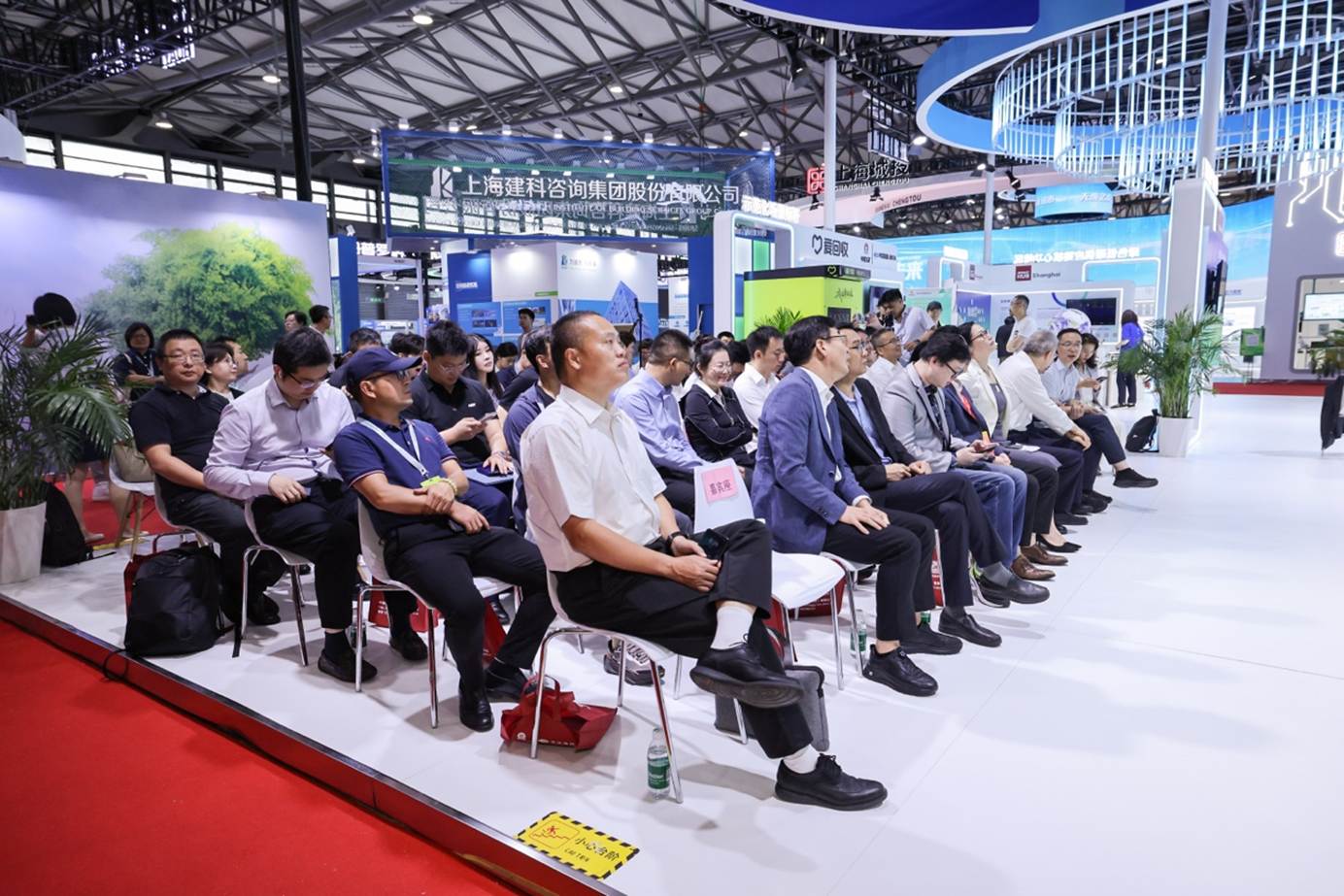
服务全国、链动全球,可持续发展生态合作大会在沪举办
Zhong Guo Jin Rong Xin Xi Wang· 2025-06-09 12:18
Core Insights - The "Sustainable Development Ecological Cooperation Conference" was held during the "Third Shanghai International Carbon Neutral Technology, Products and Achievements Expo," focusing on green low-carbon projects and the establishment of a public service platform for green low-carbon supply chains [1][3] - The event saw the launch of multiple green low-carbon standards and the national debut of the Green Chain Platform's building carbon management section [3] - A carbon credit alliance was formed, emphasizing the importance of carbon credits in the market and the commitment of its members to adhere to operational rules and participate in industry practices [1][5][8] Group 1: Event Overview - The conference was guided by the Shanghai Baoshan District Development and Reform Commission and co-hosted by several organizations, including China Energy Conservation Association and China Urban Commercial Network Construction Management Association [1] - A total of 14 organizations participated in signing the "Carbon Credit Cooperation Consensus 2025," joining the "Carbon Credit Alliance" [1][8] Group 2: Standards and Platforms - Four green low-carbon standards were launched, including evaluation norms for efficient centralized air conditioning systems and sustainable development assessments for commercial complexes and life science parks [3] - The Green Chain Platform's building carbon management section was introduced, detailing its construction background and functionalities [3] Group 3: Carbon Credit Products - Three building carbon credit products were launched, including the first sports venue carbon credit product in Zhejiang Province and projects in Jilin and Liaoning provinces [5] - The total voluntary carbon reduction amount from these products was 10 tons, which was purchased and canceled by China State Construction Engineering Corporation [5] Group 4: Collaborative Efforts - Partnerships were formed between companies like Zhejiang Naha Petrochemical and United Equator for green finance cooperation, highlighting the strategic importance of green finance for local enterprises [7] - The establishment of the Carbon Credit Alliance aims to create a collaborative innovation platform involving government, professional service institutions, financial institutions, research institutes, and key enterprises [8] Group 5: Future Directions - Baoshan District is committed to advancing green low-carbon transformation and expanding the green low-carbon ecosystem, aiming to set a model for sustainable development [10] - The conference included discussions on the role of sustainable finance in facilitating the green transition of traditional industries and the development of carbon assets [10]