
开滦国家矿山公园

Search documents
让城市更新拥抱文旅产业(九):是矿山公园,也是文化客厅
Xin Lang Cai Jing· 2026-02-20 00:08
Core Perspective - The article highlights the transformation of the Kailuan National Mine Park in Tangshan, which has evolved from an abandoned industrial site into a cultural and tourism hub, emphasizing the importance of "protective renewal" over "demolition" in urban development [1][6][7]. Group 1: Historical Significance - The Kailuan Museum houses 47 national first-class cultural relics and over ten thousand collections, showcasing the history of modern Chinese industry, including the earliest existing stock certificate from 1881 [1][4]. - The museum's exhibits serve as a "genealogy map" of China's industrial civilization, reflecting the historical significance of the site [1]. Group 2: Urban Renewal Approach - The Kailuan Group chose to preserve and repurpose old industrial facilities instead of demolishing them, opting for a "minimum intervention" principle to maintain the original textures and traces of the site [4][6]. - The transformation includes converting abandoned production tunnels into an immersive underground exploration experience, allowing visitors to engage with the historical context of coal mining [2][4]. Group 3: Cultural Integration - The "Kailuan 1878 Cultural and Creative Park" features various thematic areas, including art exhibitions and cultural performances, aimed at preserving and promoting local heritage [5][6]. - The park serves as a platform for community engagement, with training courses for children in traditional opera, thereby fostering cultural transmission [6]. Group 4: Future Prospects - The Kailuan National Mine Park and the Tangshan South Lake Tourism Scenic Area are set to become a national 5A-level tourist attraction by February 2024, showcasing the successful transformation from an industrial site to a cultural and ecological space [6][7]. - The ongoing production at the site, alongside its cultural offerings, aims to create a vibrant community space rather than a mere museum, reflecting a holistic approach to urban renewal [7].


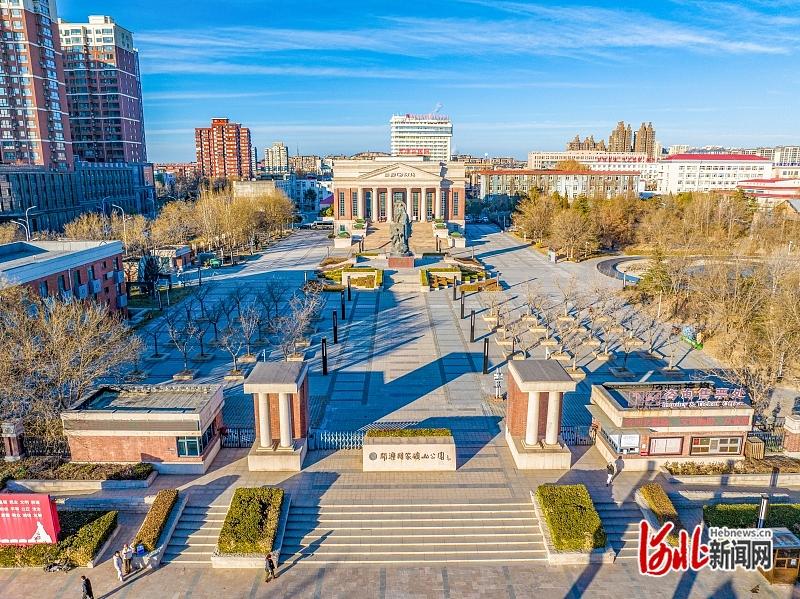
是矿山公园,也是文化客厅
Xin Lang Cai Jing· 2026-02-19 23:02
Core Viewpoint - The transformation of the Kailuan National Mine Park from an industrial site to a cultural and tourism hub exemplifies a successful model of urban renewal that preserves historical significance while revitalizing the area for modern use [1][5]. Group 1: Historical Significance - The Kailuan Museum houses 47 national first-class cultural relics and over ten thousand collections, showcasing the history of modern Chinese industry, including the earliest existing stock certificate from 1881 [1][2]. - The museum's exhibits serve as a "gene map" of China's industrial civilization, emphasizing the importance of preserving industrial heritage [2]. Group 2: Urban Renewal Strategy - The Kailuan Group opted for "protective renewal" instead of demolition, aiming to activate the "spatial value" of old industrial facilities [2][4]. - The design team applied a "minimal intervention" principle, preserving original textures and features of the abandoned mining tunnels while enhancing safety and functionality [2][4]. Group 3: Cultural Integration - The transformation includes various cultural and creative spaces, such as the Kailuan 1878 Cultural and Creative Park, which integrates historical elements with modern amenities [3][4]. - The park features training programs for children in traditional arts, ensuring the transmission of local cultural heritage [4]. Group 4: Tourism Development - The Kailuan National Mine Park, along with the Tangshan South Lake Tourist Area, has been upgraded to a national 5A tourist attraction, highlighting the successful conversion from an industrial site to a cultural tourism destination [5]. - The narrative of urban renewal is framed as a reunion with history, allowing the city to embrace its past while moving forward [5].