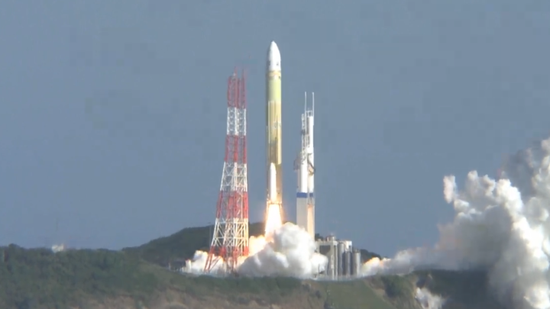
引路5号卫星

Search documents
日本H3火箭9号机发射延期
Yang Shi Xin Wen· 2026-01-07 02:50
Core Viewpoint - The Japan Aerospace Exploration Agency (JAXA) announced the postponement of the H3 rocket No. 9 launch originally scheduled for February 1 [1] Group 1 - The H3 rocket No. 8 is set to launch on December 22, 2025 [1] - The previous launch of the H3 rocket No. 8 failed as the "Pathfinder 5" satellite did not reach its intended orbit [1]
日本宣布 发射失败的导航卫星已损失
Xin Lang Cai Jing· 2025-12-25 17:23
Core Viewpoint - The Japan Aerospace Exploration Agency (JAXA) reported that the navigation satellite "Yinlu 5" and the H3 rocket, which failed to launch on December 22, are likely to have fallen into the Earth's atmosphere, resulting in the loss of the satellite [1] Group 1: Launch Failure Details - The preliminary investigation revealed that after the rocket's launch, the satellite fairing separated, and the pressure in the second-stage liquid hydrogen fuel tank began to drop, reaching only about 65% of the normal combustion pressure by the time of the first burn's termination [1] - The first burn lasted approximately 24 seconds longer than planned, and due to further decreases in engine intake pressure, the second burn failed to achieve stable combustion and was terminated prematurely [1] Group 2: Official Confirmation - The Japanese Cabinet Office confirmed the loss of the "Yinlu 5" satellite and stated that the second stage of the rocket had entered the Earth's atmosphere [1] - The Cabinet Office's space policy minister, Kimi Onoda, acknowledged the confirmation from JAXA regarding the loss of the satellite [1]
分析显示日本发射失败的H3火箭整流罩分离异常
Yang Shi Xin Wen· 2025-12-23 03:40
Core Viewpoint - The Japan Aerospace Exploration Agency (JAXA) experienced a failure in the launch of the H3 rocket, which was intended to carry the "Pathfinder 5" satellite into orbit, due to anomalies during the mission [1] Group 1: Launch Details - The H3 rocket was launched on the 22nd, but the "Pathfinder 5" satellite did not reach its intended orbit, marking the mission as a failure [1] - An analysis indicated that the failure occurred during the separation of the rocket's fairing, which showed abnormalities [1] - Approximately 3 minutes and 40 seconds after launch, a camera captured the abnormal separation of the fairing [1] Group 2: Technical Issues - The pressure in the liquid hydrogen fuel tank of the rocket's second-stage engine continuously decreased after 3 minutes and 20 seconds into the flight [1] - Investigations are ongoing to determine if the pressure drop is related to the premature shutdown of the second-stage engine [1] Group 3: Future Actions - JAXA's H3 project team leader, Makoto Arita, stated that no further launches can occur until the cause of the failure is identified and countermeasures are implemented [1] - A comprehensive review of the entire system is necessary, rather than limiting the investigation to the second-stage engine alone [1]
日本火箭发射任务失败
Bei Jing Shang Bao· 2025-12-22 15:39
Group 1 - The H3 rocket's eighth mission failed to launch successfully, with the satellite not reaching its intended orbit [1][2] - The launch was initially scheduled for December 7 but was postponed due to issues with the inertial measurement unit and cooling water injection equipment [2] - The Japanese Ministry of Education, Culture, Sports, Science and Technology established a response headquarters to investigate the failure and requested a report from the Japan Aerospace Exploration Agency [2] Group 2 - The H3 rocket is Japan's new generation of main launch vehicle, developed jointly by the Japan Aerospace Exploration Agency and Mitsubishi Heavy Industries [3] - The "引路" 5 satellite was intended to be the sixth in Japan's Quasi-Zenith Satellite System, which consists of seven satellites aimed at enhancing GPS accuracy [2][3] - The previous attempt to launch the H3 rocket on February 17, 2023, also ended in failure when the rocket did not lift off after the countdown [2][3]

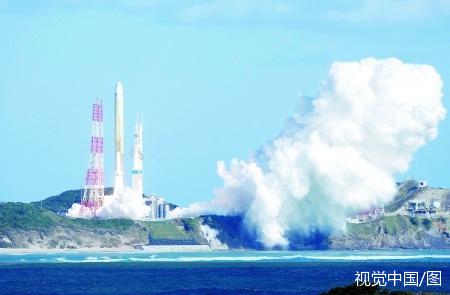
日本火箭发射失败
券商中国· 2025-12-22 07:19
Core Viewpoint - Japan's new generation main launch vehicle "H3" experienced a failure during its launch, resulting in the satellite not reaching its intended orbit [1]. Group 1 - The "H3" rocket's 8th unit was launched from the Tanegashima Space Center in Kagoshima Prefecture, carrying the "Pathfinder 5" satellite of Japan's Quasi-Zenith Satellite System [1]. - The Japan Aerospace Exploration Agency confirmed that the rocket's second-stage engine burned out earlier than scheduled [1]. - Reports from Asahi Shimbun indicated that the launch was unsuccessful, and the satellite did not enter the planned orbit [1].

日本确认:发射失败 卫星未进入预定轨道!火箭发动机提前“结束燃烧” 抛物线坠下云端
Mei Ri Jing Ji Xin Wen· 2025-12-22 07:07
Core Points - The H3 rocket's 8th launch from the Tanegashima Space Center in Kagoshima Prefecture, Japan, failed to place the "Guide 5" satellite into its intended orbit due to an early shutdown of the second-stage engine during flight [1][2] - The launch was initially scheduled for December 7 but was postponed twice due to technical issues, including a malfunction in the inertial measurement unit and a cooling water supply problem [3] Group 1 - The H3 rocket is part of Japan's efforts to establish a domestic satellite positioning system, aiming to create a seven-satellite constellation that does not rely on foreign satellites for location information [3] - The "Guide" satellite is designed to enhance the accuracy of positioning information for devices like smartphones and to provide emergency earthquake alerts in areas without radio coverage [3]
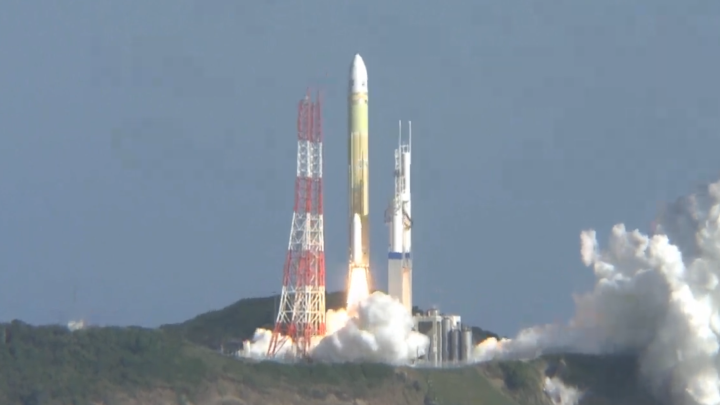
日本H3火箭8号机发射失败,卫星未进入预定轨道
Xin Lang Cai Jing· 2025-12-22 06:58
Group 1 - The Japanese Ministry of Education, Culture, Sports, Science and Technology announced the failure of the H3 rocket No. 8 launch, with the satellite failing to reach its intended orbit [2] - The Japan Aerospace Exploration Agency launched the H3 rocket, which experienced an early shutdown of the second-stage engine during flight [4] - The launch was initially scheduled for December 7 but was postponed due to an anomaly in the inertial measurement unit of the second-stage rocket body, and again on December 17 due to a malfunction in the cooling water injection system [4]
日本承认:失败了
中国能源报· 2025-12-22 06:50
Core Viewpoint - The H3 rocket's eighth mission failed, resulting in the satellite not entering the designated orbit, which raises concerns about Japan's space program and its satellite navigation capabilities [3][4]. Group 1: Mission Details - The H3 rocket was launched on December 22, carrying the "Guide 5" satellite, part of Japan's Quasi-Zenith Satellite System [3]. - The failure occurred when the second-stage engine burned out prematurely during flight [3][4]. - This mission was initially scheduled for December 7 but was postponed twice due to technical issues with the inertial measurement unit and cooling water injection equipment [5]. Group 2: Investigation and Response - Following the failure, Japan's Ministry of Education, Culture, Sports, Science and Technology established a task force to investigate the incident and discuss countermeasures [4]. - The Japan Aerospace Exploration Agency (JAXA) expressed apologies for the failure and is required to submit a situation report promptly [4]. Group 3: Satellite System Context - The Quasi-Zenith Satellite System is referred to as Japan's version of GPS, designed to enhance satellite positioning accuracy [5]. - The system is planned to consist of seven satellites, with the "Guide 5" being the sixth satellite, following the launch of "Guide 6" earlier in February [5]. - The H3 rocket is a new generation of main launch vehicles developed jointly by JAXA and Mitsubishi Heavy Industries [5].
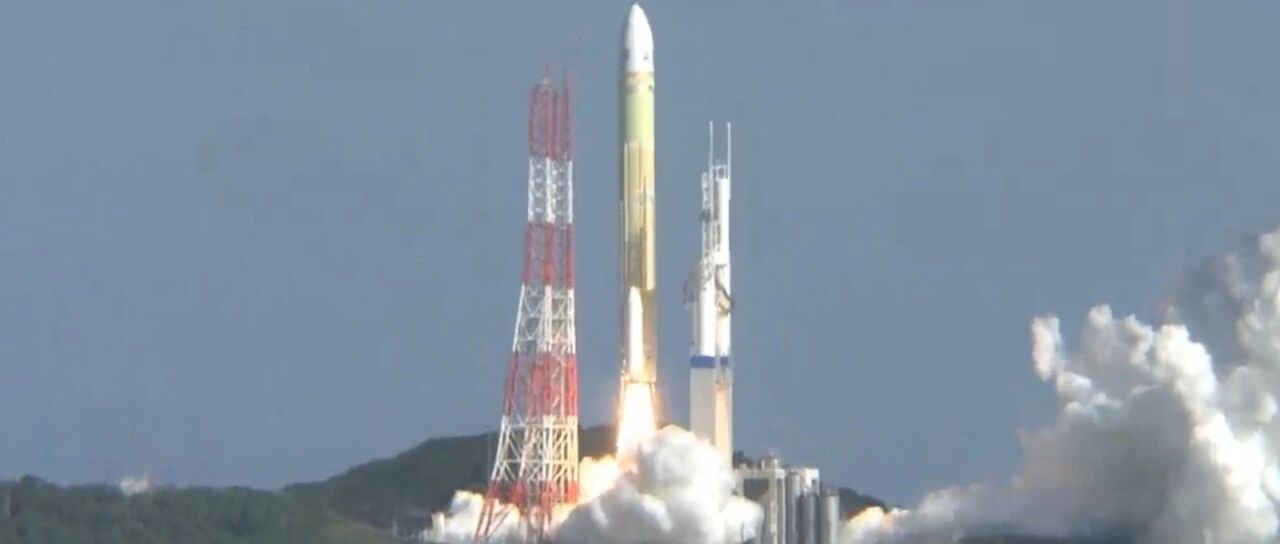
日本“引路5号”卫星发射失败
Xin Lang Cai Jing· 2025-12-22 06:23
Core Viewpoint - The Japan Ministry of Education, Culture, Sports, Science and Technology announced that the H3 rocket, carrying the sixth satellite of the Quasi-Zenith Satellite System, failed to deliver its payload to the intended orbit after launch [1][2]. Group 1: Launch Details - The H3 rocket was launched from the Tanegashima Space Center in Kagoshima Prefecture [1][2]. - The second-stage engine of the rocket experienced an abnormal shutdown shortly after launch [1][2]. - The launch of the "Rinri 5" satellite was initially scheduled for December 7 but was postponed due to detected anomalies in the rocket and ground facilities [1][2]. Group 2: Satellite System Objectives - The Japan Aerospace Exploration Agency (JAXA) aims to have a total of 11 positioning satellites in orbit to ensure redundancy in case of technical failures and to expand service coverage [1][2]. - Once the seven-satellite Quasi-Zenith Satellite System is fully operational, there will be continuous coverage of at least one satellite over Japan, with service extending to other regions in Asia and Oceania [1][2].
日本确认:发射失败,卫星未进入预定轨道!火箭发动机提前“结束燃烧”,抛物线坠下云端
Xin Lang Cai Jing· 2025-12-22 06:08
Core Viewpoint - The H3 rocket's eighth launch attempt on December 22, 2023, failed, resulting in the satellite not reaching its intended orbit due to an early shutdown of the second-stage engine [1][4]. Group 1: Launch Details - The H3 rocket was launched from the Tanegashima Space Center in Kagoshima Prefecture at approximately 10:51 AM local time [1][4]. - The mission was initially scheduled for December 7 but was delayed due to an anomaly in the inertial measurement unit of the second stage [6]. - A subsequent attempt on December 17 was aborted due to an issue with the cooling water injection system just before ignition [6]. Group 2: Satellite Information - The rocket was carrying the "Linchpin 5" satellite, part of Japan's Quasi-Zenith Satellite System, which is designed to enhance positioning accuracy for devices like smartphones and provide emergency earthquake alerts in areas without signal coverage [3][6]. - The Japanese government aims to establish a seven-satellite system that does not rely on foreign satellites for location information [6].