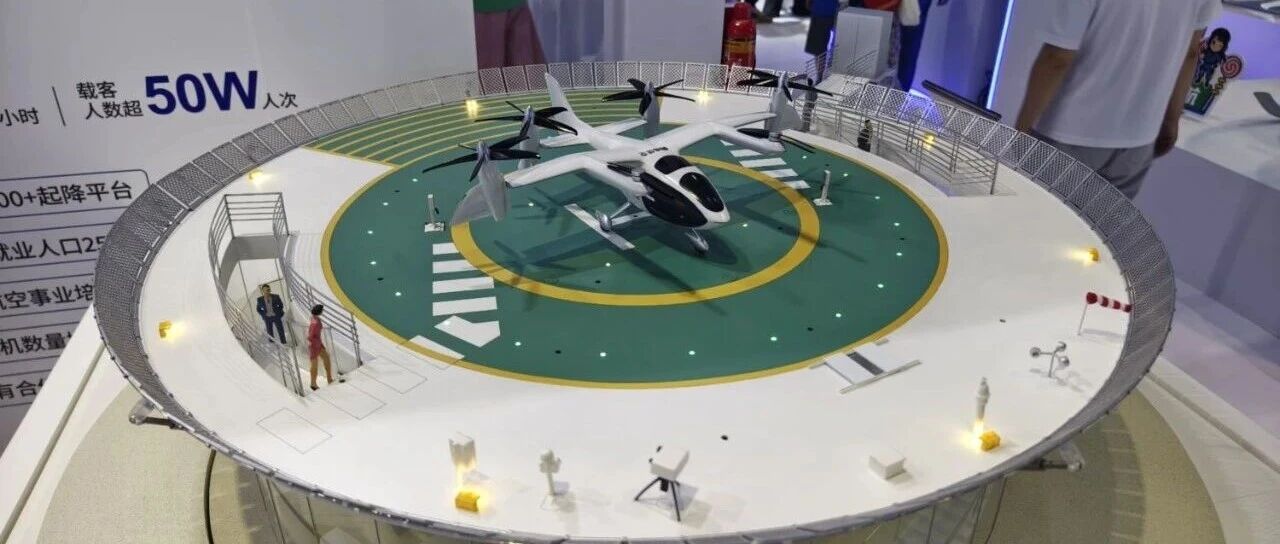
御风未来M1B eVTOL

Search documents
卖爆了?!市场质疑eVTOL“表演式”订单泛滥!
Zheng Quan Shi Bao· 2025-11-17 00:47
Core Insights - The low-altitude economy, particularly eVTOL (electric vertical takeoff and landing aircraft), is emerging as a highly promising industry, highlighted by its inclusion in government work reports and the "14th Five-Year Plan" [1][2] - Despite the excitement, many eVTOL orders are merely intention orders without legal binding, raising concerns about the industry's actual readiness for commercial operations [4][5] - The industry is currently in a phase where most leading eVTOL manufacturers are still seeking airworthiness certification, which is essential for mass production and commercial delivery [2][5] Industry Overview - eVTOL is viewed as a key innovation in the low-altitude economy, with significant orders being announced by major manufacturers, often reaching hundreds of units and totaling billions in value [1] - The majority of eVTOL orders are intention-based, lacking prepayments and delivery timelines, which indicates a need for market warming and exploration rather than immediate commercial viability [4][5] - The industry is expected to face a series of challenges, including the need for technological maturity, infrastructure development, and a viable business model before achieving widespread commercial deployment [8][12] Regulatory and Certification Challenges - Most leading eVTOL manufacturers are currently in the process of obtaining type certification (TC) and production licenses (PC), with expectations to achieve TC around 2027 [5][12] - The successful transition from intention orders to commercial delivery hinges on the completion of airworthiness certification and the establishment of necessary infrastructure [8][12] Infrastructure Development - The low-altitude infrastructure required for eVTOL operations is currently underdeveloped, with significant gaps in the necessary networks for facilities, airspace, routes, and services [8][9] - There is a pressing need for a unified national standard for low-altitude traffic management to avoid the creation of isolated systems that cannot interconnect [8][9] Market Outlook - The industry anticipates that cargo eVTOL applications will be the first to achieve widespread adoption, with passenger eVTOL expected to see limited applications around 2027 and broader urban air mobility networks not emerging until after 2030 [12][13] - Industry leaders emphasize the importance of patience and a steady approach to development, drawing parallels to the lengthy adoption timeline of electric vehicles [13]
卖爆了?!市场质疑eVTOL“表演式”订单泛滥!
证券时报· 2025-11-17 00:34
Core Viewpoint - The low-altitude economy, particularly eVTOL (electric Vertical Take-Off and Landing aircraft), is emerging as a highly promising industry, with significant interest and investment, despite existing challenges and skepticism regarding its commercial viability [1][2]. Group 1: Industry Potential and Orders - eVTOL is recognized as a key innovative vehicle within the low-altitude economy, with major manufacturers announcing substantial orders, often in the hundreds, indicating a vibrant market [1]. - Many of the eVTOL orders are intention-based rather than binding contracts, lacking legal enforceability and upfront payments, which raises questions about their true market demand [4][5]. - The industry is experiencing a mix of genuine commercial exploration and market preheating, with intention orders serving as a signal of companies' commitment to exploring commercialization [2][4]. Group 2: Regulatory and Development Challenges - Most leading eVTOL manufacturers are still in the process of obtaining airworthiness certification, which is essential before they can move to mass production and commercial delivery [2][5]. - The timeline for achieving these certifications is projected around 2027, which is seen as a critical milestone for the industry [5][8]. - The lack of established low-altitude flight service systems and ground infrastructure poses significant barriers to the operationalization of eVTOLs [1][9]. Group 3: Infrastructure Needs - The successful operation of eVTOLs requires comprehensive low-altitude infrastructure, including traffic management networks and service platforms, which are currently underdeveloped in most cities [9][10]. - There is a risk of creating isolated digital platforms if local authorities build their own traffic management systems without national standards, leading to inefficiencies and resource wastage [9][10]. Group 4: Future Outlook - The industry anticipates that cargo eVTOL applications will be the first to achieve widespread adoption, with passenger eVTOLs expected to see limited applications around 2027, and large-scale urban air mobility networks not expected until after 2030 [13]. - Industry leaders emphasize the importance of patience and a systematic approach to development, drawing parallels with the evolution of electric vehicles, which took years to reach widespread acceptance [14].