
快闪店商品

Search documents
年轻人为何“重回”实体店?
Sou Hu Cai Jing· 2025-12-03 11:26
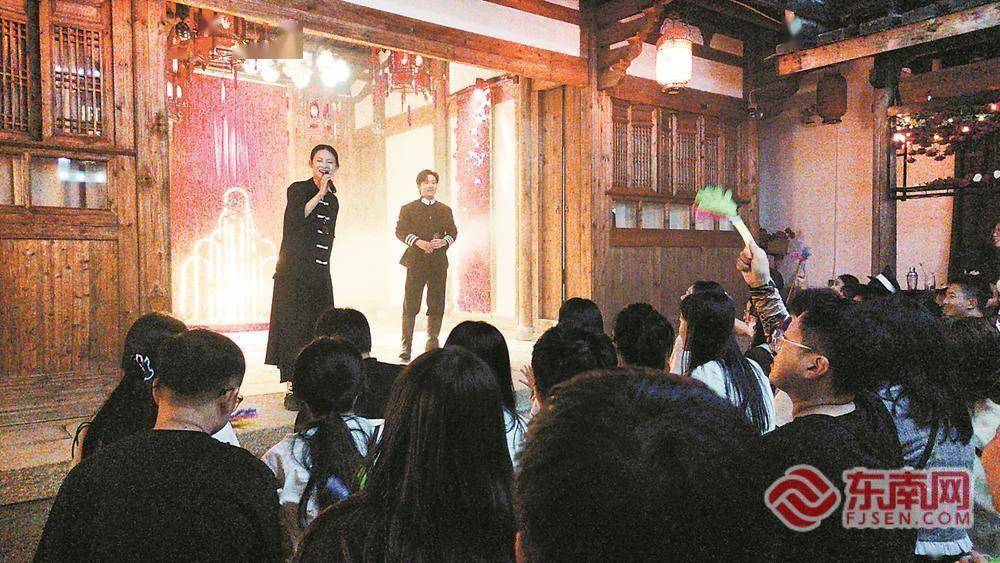
Core Insights - The article discusses the transformation of traditional shopping districts in Fuzhou, attracting the younger generation back to offline shopping through innovative experiences and cultural integration [2][4][8] Group 1: Consumer Trends - The Z generation, known for being "internet natives," is increasingly shifting from online shopping to offline experiences, driven by a desire for social interaction and emotional value [2][3] - A report by Western Securities highlights that Z generation consumers prefer experiential consumption and are willing to pay a premium for unique experiences, such as immersive theme restaurants and virtual reality stores [3][4] Group 2: Innovative Business Models - Traditional shopping districts in Fuzhou are adopting a "culture + IP + scene" model to revitalize their offerings, moving from a focus on retail to enhancing consumer experiences [4][6] - The "Yanshan Old" immersive theater, created from a century-old building, allows participants to engage actively in performances, enhancing the overall experience and encouraging repeat visits [4][5] Group 3: Rise of Pop-up Stores - Pop-up stores are gaining popularity in Fuzhou, characterized by limited-time operations and creative experiences, effectively meeting contemporary consumers' needs for emotional consumption and social engagement [5][6] - Notable examples include a pop-up store inspired by jasmine flowers, achieving daily sales exceeding 30,000 yuan during the National Day holiday in 2025 [5] Group 4: Cultural Integration - The transformation of historical sites like Yantai Mountain into cultural experience spaces is creating a unique blend of old and new, making these areas cultural symbols of the city [6][7] - The revival of traditional crafts, such as the three silver hairpins, is attracting the Z generation, leading to diverse consumption scenarios that include makeup services and cultural products [7]

实体店靠啥迎来转机
Jing Ji Ri Bao· 2025-09-24 00:06
Core Insights - Traditional retail stores are revitalizing by transforming their business models to enhance customer experience and engagement [1][2] - The shift from a purely transactional model to a multi-dimensional consumption scene is driven by changing consumer preferences for quality, health, and emotional value [1] Group 1: Changes in Retail - Traditional supermarkets are evolving to allow consumers to see food preparation processes and sample products before purchasing [1] - Pop-up stores are integrating cultural and artistic elements, such as museums showcasing artifacts in shopping malls, to create interactive experiences [1] - The focus has shifted from merely selling products to providing immersive shopping experiences that meet diverse consumer needs [1] Group 2: Strategies for Success - Retail brands must balance creativity and operational strength to succeed in the new consumer landscape [2] - Maintaining high quality and unique product offerings is essential to avoid homogenization and to establish competitive advantages [2] - Retailers should proactively identify consumer demands and continuously upgrade products and services to lead market trends rather than just meet existing needs [2]