恒洁S3陶瓷马桶

Search documents
京东不再是一家电商公司
Sou Hu Cai Jing· 2025-12-26 11:41
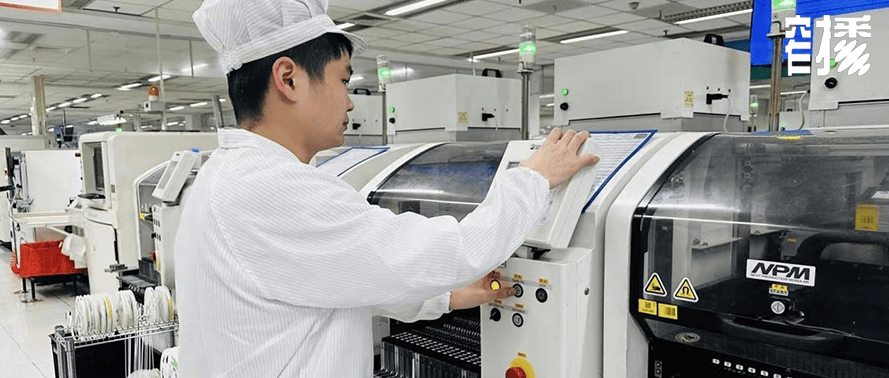
Core Viewpoint - The article discusses the evolution of Chinese manufacturing and the strategic moves of JD.com in response to market dynamics, emphasizing the importance of supply chain innovation in driving growth and addressing consumer needs. Group 1: Industry Context - Ten years ago, the Chinese manufacturing industry faced significant challenges, including internal pressures from rising costs and external threats from e-commerce, leading to a transformation period for many companies [1] - The article highlights the shift in focus from merely producing goods to understanding and meeting consumer demand, particularly in a complex market with unmet needs [1] Group 2: JD.com's Strategic Moves - JD.com has been actively expanding its business operations in 2023, with a focus on supply chain capabilities, which is a common thread in its various initiatives [3][6] - In February, JD.com initiated a recruitment drive for quality dining merchants, offering incentives such as zero commission for early sign-ups, marking the start of a competitive landscape in food delivery [5] - By July, JD.com invested 1 billion in recruiting "dish partners" to enhance its food delivery ecosystem, further solidifying its market presence [5] - The company entered the hotel and travel sector in June, promising significant commission-free periods to attract hotel partners, indicating a strategic approach to alleviate industry pressures [5] Group 3: Supply Chain Innovation - JD.com's initiatives, such as the introduction of a new ceramic toilet model in collaboration with the brand Hengjie, demonstrate its focus on supply chain optimization and market insight [11][12] - The successful launch of the Hengjie S3 toilet, which sold over 10,000 units in its first week, exemplifies JD.com's ability to leverage data and consumer insights to drive product development and sales [12] - The article emphasizes that JD.com's approach to building a "super supply chain" is not just about e-commerce but involves deep engagement in product design, manufacturing, and quality assurance across various industries [15] Group 4: Consumer Behavior Insights - A recent McKinsey report indicates a decline in consumer confidence among urban dwellers, while rural consumers show increased confidence, highlighting the need for a nuanced understanding of the Chinese consumer landscape [15] - The traditional segmentation of consumers based on geographic boundaries is becoming less effective, necessitating a multi-dimensional approach to stimulate consumption [18]


如何理解京东要死磕的「超级供应链」
Sou Hu Cai Jing· 2025-12-23 18:26
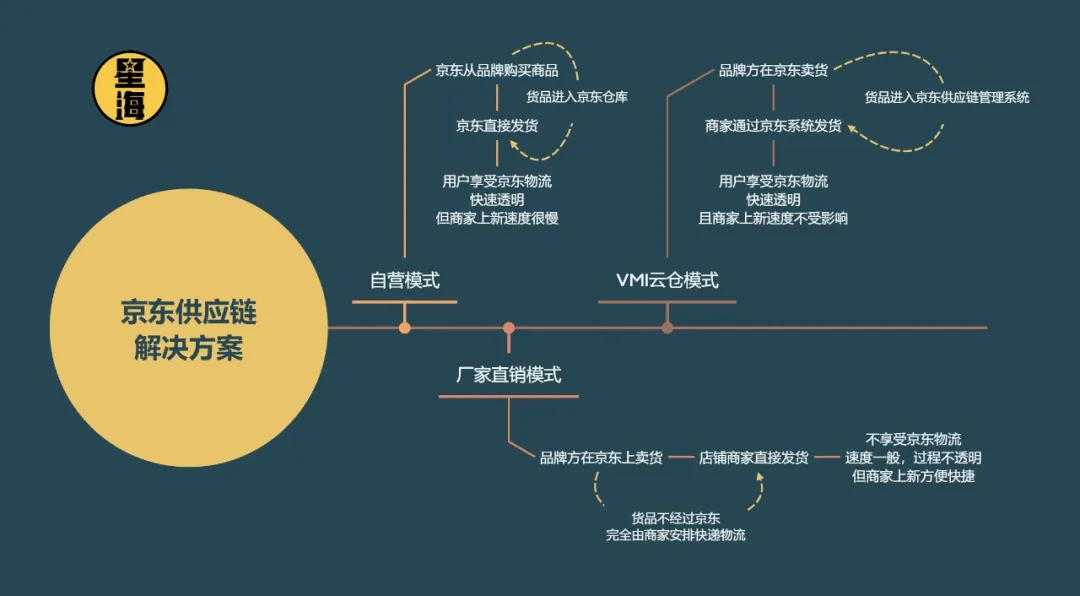
Core Insights - The article emphasizes the need for a dual-driven approach to stimulate consumption and supply, highlighting the importance of creating new supply to meet emerging consumer demands [3][4][19] Group 1: Economic Context - Insufficient domestic demand is identified as a major challenge for the current economic landscape, with structural mismatches in supply and demand persisting in certain sectors [2] - Data from the National Bureau of Statistics indicates that while industrial inventory is expected to grow by 2025, retail sales are also on the rise, particularly in service consumption and online sales [2] Group 2: Supply Chain Strategy - Companies that can connect new demand with supply and establish efficient distribution channels will benefit from the opportunity presented by expanding domestic demand [4][5] - JD.com aims to leverage its established supply chain and logistics capabilities to create a "super supply chain" that not only reduces costs but also stimulates new consumption [4][5] Group 3: Demand Creation - The challenge of creating new supply lies in accurately capturing and translating new consumer demands into actionable production language [6] - JD.com has developed expertise in demand insight and has collaborated with brands to create customized products that meet specific consumer needs, achieving significant sales milestones [6][8] Group 4: Sales and Distribution - JD.com's self-operated model allows it to extend its collaboration with brands beyond production to include sales, thereby reducing concerns about market access for new products [9][11] - The company employs strategies such as bulk purchasing and exclusive sales agreements to mitigate risks for brands and enhance competitive pricing [9][11] Group 5: Logistics and Fulfillment - Efficient logistics are crucial for enhancing supply and service quality, with JD.com optimizing its logistics network to reduce delivery times significantly [12][13] - The company has implemented advanced logistics solutions, including a 28-day fresh milk delivery plan, which has improved product quality and reduced costs [12][13] Group 6: International Expansion - JD.com is exploring international markets by building overseas warehouses and acquiring local channels, facilitating a "group export" model for domestic brands [17][18] - The company has established over 130 global warehouses across 23 countries, enhancing its ability to support brands in international markets [18] Group 7: Conclusion - JD.com's super supply chain strategy reflects the broader transformation of the Chinese consumer market, moving from demand-driven to a dual-driven model that emphasizes efficiency and responsiveness to new consumer needs [19]