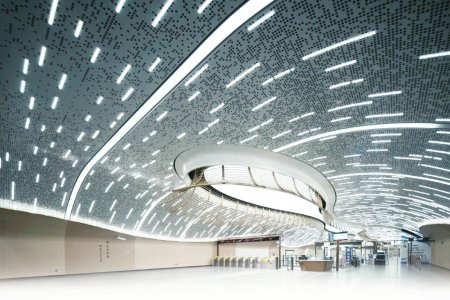
成都地铁13号线一期

Search documents
2025年,成都轨道交通累计退围超50万平方米 把70个足球场的空间还给烟火日常
Si Chuan Ri Bao· 2026-01-07 07:06
Core Viewpoint - The construction of the Chengdu Metro, particularly the completion of Line 10 Phase III, has significantly improved accessibility to key tourist areas, enhancing local business opportunities and urban development [1][4]. Group 1: Construction and Impact - The Chengdu Metro's construction strategy emphasizes minimal disruption to local businesses and residents, employing a method of "encircle a little, work a little, restore a little" to manage construction impacts [3][5]. - Since the start of construction, the Line 10 Phase III team has completed 52 intersection adjustments and 1003 changes to construction barriers, indicating a flexible approach to minimize disruption [3]. - Chengdu's metro system, despite starting construction later than other major cities, has achieved the fastest construction speed, reflecting the city's commitment to efficient urban transport solutions [4]. Group 2: Community Engagement - Local business owners, such as hotelier Liu Jun, have developed a cooperative relationship with construction managers, demonstrating a mutual understanding of the challenges posed by construction activities [5][6]. - The construction teams have implemented measures to accommodate local businesses, such as creating dedicated access paths for shops and holding regular meetings with business representatives to discuss construction progress and concerns [6][7]. Group 3: Achievements and Future Outlook - As of the end of 2025, Chengdu's metro system has surpassed 750 kilometers in operational length, ranking fourth nationally, with a green travel ratio of 77.6%, the highest among major cities in China [7]. - On December 31, 2025, the Chengdu Metro recorded a historic passenger volume of over 10 million, highlighting the system's growing importance in urban mobility [9].
外交部发言人点赞成都地铁
Xin Lang Cai Jing· 2025-12-23 19:08
Group 1 - The core message highlights the recent opening of Chengdu Metro Line 13 and Line 30, which has contributed to the total operational mileage of Chengdu's rail transit exceeding 750 kilometers, making it the fourth largest in China [2] - Line 13 features the Du Fu Thatched Cottage Station, designed with a "poetic holy land" theme, incorporating architectural elements that reflect the essence of Du Fu's poetry [2] - Line 30 includes the Zhujiang Road Station, designed around the concept of a "gateway through time," utilizing dynamic lighting to create a layered spatial experience [2]

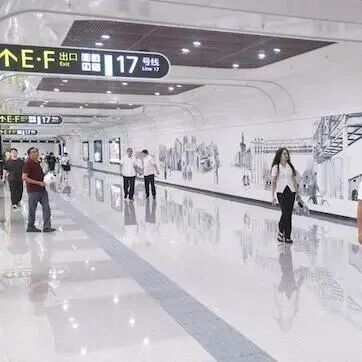
城市轨交年底集中开通,地铁建设审批收紧
第一财经· 2025-12-17 06:28
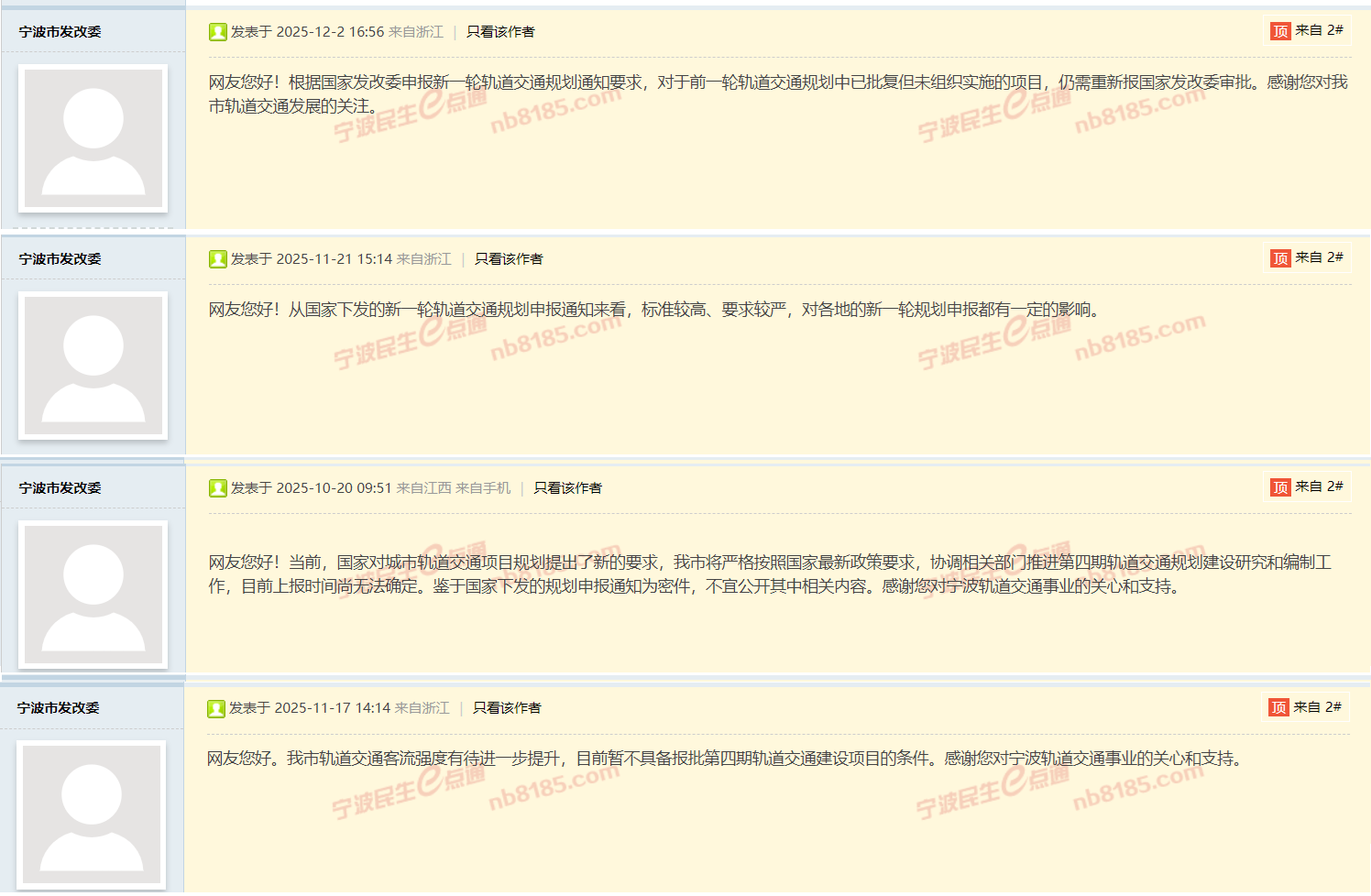
Core Viewpoint - The article discusses the recent surge in urban rail transit construction in various cities in China, particularly highlighting the opening of new lines in Chengdu and other cities, while also indicating a potential slowdown in future expansion due to stricter approval standards from the government [3][10]. Summary by Sections Recent Openings - Chengdu's Metro Line 13 and Line 30 are set to officially open on December 16, 2025, increasing the city's total rail transit mileage to over 750 kilometers, ranking it fourth nationally [3][5]. - In addition to Chengdu, multiple cities, including Shenzhen and Nanjing, are also set to open new metro lines, contributing to a significant increase in their operational rail lengths [7][8]. Operational Data - By the end of 2025, cities with operational rail transit exceeding 500 kilometers will reach nine, with Beijing and Shanghai leading at over 800 kilometers [8]. - Chengdu's rail transit mileage has increased by 161.73 kilometers since 2020, while Guangzhou and Shenzhen have seen even larger increases of 207.9 kilometers and 212.4 kilometers, respectively [8]. Future Construction Trends - Future urban rail transit construction is expected to slow down, with stricter approval processes in place. For instance, Ningbo's plans for new rail lines are currently on hold due to insufficient passenger flow [10][12]. - The National Development and Reform Commission has implemented higher standards for new rail transit project approvals, which may affect previously approved but unimplemented projects [13]. Approval Standards - New guidelines stipulate that cities must meet specific financial and demographic criteria to qualify for rail transit project approvals, including a minimum public budget income of 300 billion yuan and a GDP of 3 trillion yuan [11]. - As of November, only 18 out of 54 cities with operational rail transit met the required passenger flow standards, indicating a broader issue with meeting the new approval criteria [12].
城市轨交年底集中开通,地铁建设审批收紧
Di Yi Cai Jing· 2025-12-15 12:59
Core Viewpoint - The expansion of urban rail transit construction is expected to slow down in the future, with stricter approval standards being implemented by the National Development and Reform Commission (NDRC) [1][5][8] Group 1: Recent Developments in Urban Rail Transit - Chengdu's Metro Line 13 and Line 30 are set to open on December 16, increasing the total operational mileage of Chengdu's rail transit to over 750 kilometers, ranking it fourth in the country [1][2] - In 2025, Chengdu's operational mileage is projected to reach 719.53 kilometers after the addition of 57.03 kilometers from the new lines [2] - Multiple cities, including Shenzhen and Nanjing, are also set to open new rail lines, with Shenzhen's operational mileage expected to reach 635 kilometers and Nanjing's to 524.4 kilometers by the end of the year [3][4] Group 2: Historical Context and Comparisons - The operational mileage of Chengdu has increased by 161.73 kilometers since 2020, while Guangzhou and Shenzhen have seen increases of 207.9 kilometers and 212.4 kilometers, respectively [4] - By the end of this year, nine cities will have operational rail transit mileage exceeding 500 kilometers, with Beijing and Shanghai leading at over 800 kilometers [3][4] Group 3: Future Challenges and Regulatory Changes - Future urban rail transit construction is likely to face reduced expansion speed and scale due to increased scrutiny and stricter approval conditions set by the NDRC [5][7][8] - The NDRC's new guidelines require cities to meet specific financial and demographic criteria to qualify for rail transit construction approvals, which may hinder many cities from advancing their projects [6][8] - Only Chengdu has received approval for a new phase of rail transit construction in 2024, while over ten cities are currently awaiting approval for their new plans [7][8]