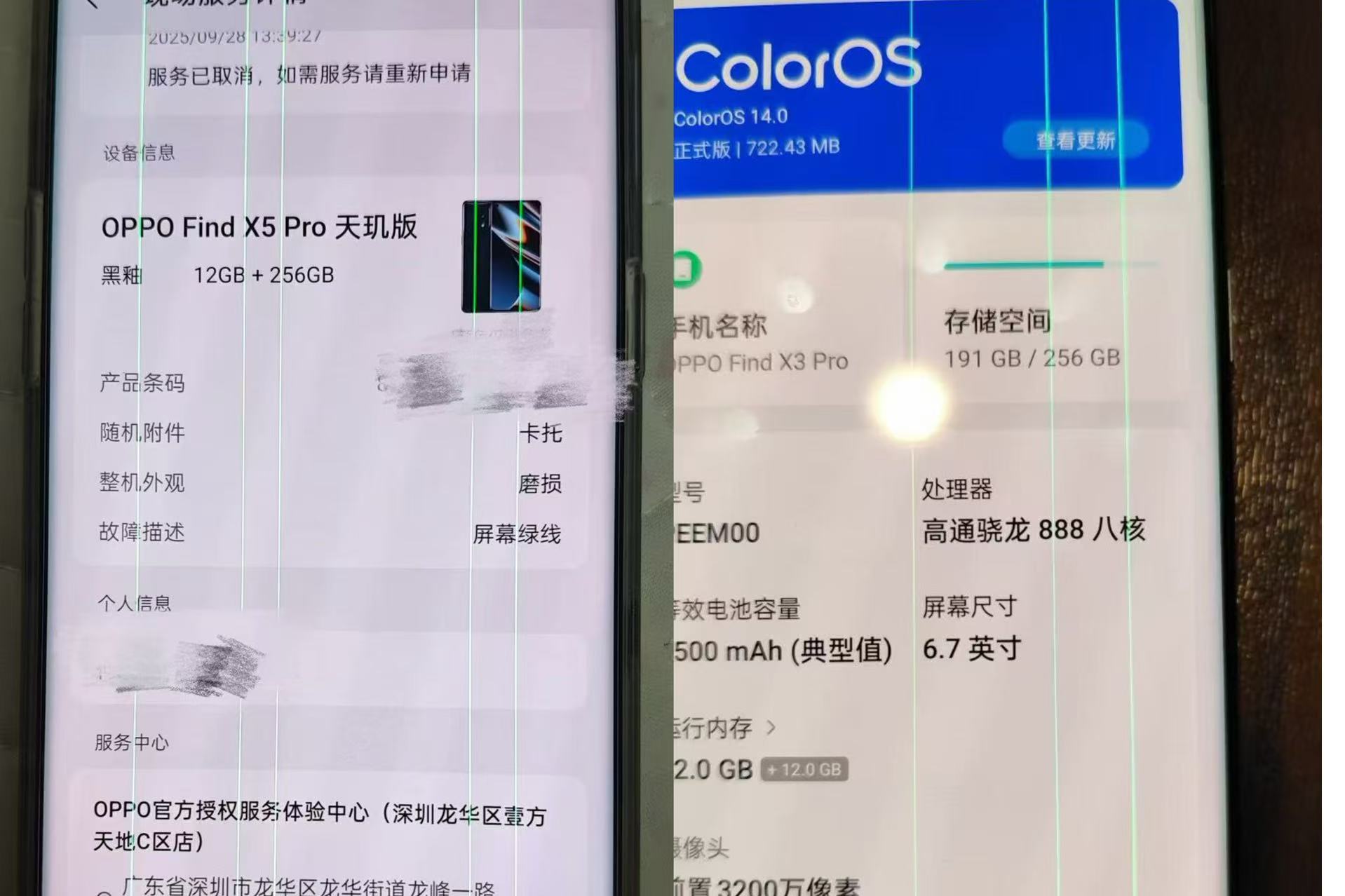
手机屏幕

Search documents
突发特讯!东南亚国家、发声:很依赖中国供应链,但又怕被美国加征转运附加费,引发国际舆论
Sou Hu Cai Jing· 2025-12-16 06:49
Group 1 - The article highlights the increasing pressure on Southeast Asian low-cost export countries due to US tariff policies amid US-China structural competition, prompting a reevaluation of global supply chain dynamics [1][3] - The US has imposed additional tariffs of up to 40% on goods transiting through Southeast Asia, directly impacting industries reliant on the "China supply chain" model, such as textiles in Vietnam and furniture in Indonesia [3] - Southeast Asian countries are adopting differentiated strategies in response to US pressures, with Vietnam utilizing "bilateral accumulation" rules and Malaysia tightening origin certificate issuance [3][4] Group 2 - Despite external pressures, the supply chain integration between China and ASEAN shows resilience and an upgrading trend, with investments from Chinese companies like SAIC-GM Wuling and BYD in Indonesia and Thailand [4][6] - The trade volume between China and ASEAN is projected to exceed $597 billion in 2024, accounting for 16.7% of China's total foreign trade, with emerging fields like digital and green economies driving future growth [6] - The "Resilient Supply Chain Initiative" by the US aims to redirect military suppliers to "trusted partners," with countries like Vietnam and Indonesia seen as key nodes due to their geographical and industrial advantages [9] Group 3 - The US's "de-China" supply chain strategy faces challenges, as local production in Southeast Asia remains cost-effective, evidenced by an 18% drop in import inquiries for Chinese intermediate products by Q2 2025 [7] - China is leveraging "industrial chain leapfrogging" to capture high-value segments in sectors like semiconductors and AI, showcasing its commitment to innovation and technological advancement [10] - Southeast Asian nations are actively seeking diversified cooperation paths, with Indonesia and Malaysia enhancing ties with China, Japan, and South Korea while pursuing local investments in sectors like semiconductors [11]

三星瑕疵屏幕引爆手机业“绿线门”,大厂售后按闹分配被吐槽
第一财经· 2025-11-21 12:19
Core Viewpoint - The article discusses the recent consumer rights movement triggered by the "green line" issue in smartphone screens, affecting major brands like OPPO, Vivo, Samsung, Xiaomi, and Huawei, highlighting the dissatisfaction with after-sales service and warranty policies [3][4][14]. Group 1: Consumer Complaints and After-Sales Service - The "green line" issue is primarily a reliability problem with the screens, not due to user damage, leading to widespread consumer complaints [4][14]. - Different manufacturers have varying after-sales policies, with OPPO and Vivo offering around four years of warranty, while Xiaomi and Huawei typically provide one year [7]. - OPPO announced free screen replacements for devices with green line issues within four years of purchase, but consumers report difficulties in obtaining this service due to strict requirements like providing purchase invoices [7][8]. Group 2: Variability in Service Execution - There are inconsistencies in after-sales service across different locations, even within the same brand, leading to confusion and frustration among consumers [11][12]. - Some users have successfully obtained free replacements through persistent complaints, while others have faced high repair costs or outright denial of service [8][10]. - The article notes that even when brands have announced policies for free or discounted repairs, the execution often varies significantly, leading to a lack of transparency and fairness in the process [12][18]. Group 3: Technical Background of the Issue - The green line problem is a common defect in OLED screens, potentially caused by issues like chip detachment or circuit failure, and has been reported across various models from different manufacturers [14][16]. - The issue has been particularly prevalent in devices using specific batches of Samsung screens, which have been linked to the recent surge in complaints [16][17]. - The article emphasizes that the reliability of OLED screens can be affected by environmental conditions, with higher incidences reported during warmer months [17].


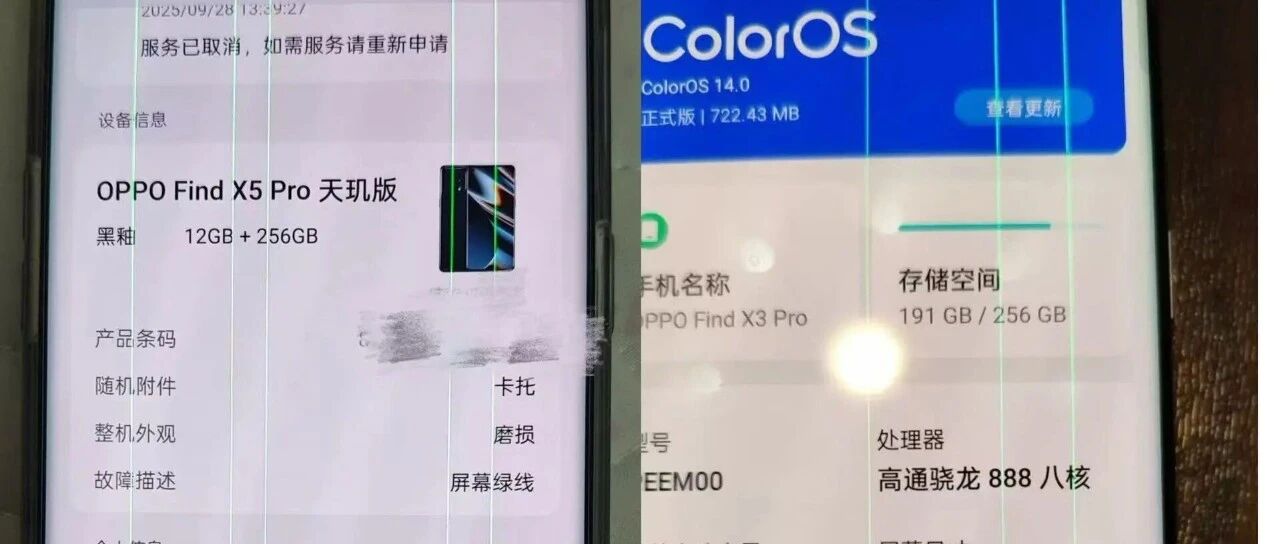
三星瑕疵屏幕引爆手机业“绿线门”,大厂售后按闹分配被吐槽
Di Yi Cai Jing· 2025-11-21 11:25
Core Viewpoint - The article discusses the consumer rights issues arising from the "green line" problem in smartphone screens, affecting major brands like OPPO, Vivo, Samsung, Xiaomi, and Huawei, highlighting the inconsistent after-sales service and warranty policies among these manufacturers [1][9]. Group 1: After-Sales Service Policies - OPPO and Vivo offer a warranty period of around four years, while Xiaomi, Huawei, and Honor typically provide one year of warranty service [3]. - OPPO announced free screen replacement for devices with green line issues within four years of purchase, while users with devices older than four years can receive discounted repair services [3]. - There are significant discrepancies in after-sales service experiences among OPPO users, with some receiving free replacements while others are denied service due to lack of purchase receipts [4][5]. Group 2: Consumer Complaints and Experiences - Many consumers report unreasonable demands for proof of purchase, such as requiring original receipts and packaging, which complicates the warranty claim process [4][8]. - Some users have successfully obtained free screen replacements after escalating complaints through various channels, despite being initially denied service [4][5]. - The article notes that even within the same brand, different service centers may apply different policies regarding the green line issue, leading to confusion and frustration among consumers [7][8]. Group 3: Technical Background of the Issue - The green line issue is a common fault in OLED displays, potentially caused by various factors such as chip failure or circuit issues [9][11]. - The problem has been linked to specific batches of screens supplied by Samsung, affecting multiple smartphone models [11]. - High temperatures and humidity are noted as conditions that can exacerbate the green line problem, with summer months being particularly problematic [12]. Group 4: Industry Response and Consumer Trust - There is a growing consumer expectation for a transparent and fair after-sales service system, especially in light of the marketing claims of high-quality products [13]. - The article emphasizes that the lack of a unified standard in after-sales service undermines consumer trust, as users feel that the service does not match the promised product quality [13].