
扫雷舰

Search documents
英国金融时报:霍尔木兹护航计划的风险
美股IPO· 2026-03-21 01:36
Core Viewpoint - The article highlights the risks associated with the U.S. Navy's plans to deploy escort vessels in the Strait of Hormuz, drawing parallels to the 1988 USS Samuel B. Roberts incident, emphasizing the military and political challenges involved in ensuring safe passage for oil tankers in a volatile region [2][3]. Group 1: Military Risks and Considerations - The U.S. military leadership currently believes that conditions are not suitable for escort operations in the Strait of Hormuz, requiring stronger assurances that threats from Iran have been significantly reduced or eliminated [3]. - Any escort operation would likely involve a small fleet, potentially consisting of two destroyers escorting two to four oil tankers, with commercial tankers leading the formation due to their double-hulled design [4]. - The escort operation may require 8 to 12 destroyers, with a suggested initial number of 10, but the U.S. Central Command may need up to 16 depending on the size of the commercial fleet [5]. Group 2: Tactical Preparations and Challenges - The escort operation would necessitate the deployment of aircraft equipped with rockets, such as F-15, F-16, or F-18, to counter potential drone attacks from Iran [6]. - The U.S. currently has 14 destroyers in the region, with some already engaged in other military operations, which may limit their availability for escort duties [6]. - Before any escort operation, the U.S. Navy would need to navigate the Gulf, testing Iranian tactics and capabilities, particularly concerning the threat posed by numerous fast boats that could carry explosives [8][9]. Group 3: Industry Implications and Concerns - Even with military escort, shipping companies may still perceive the risks as too high, particularly due to exorbitant insurance costs, which could deter them from operating in the region [12]. - Shipping executives express disappointment over the lack of coordination among governments and emphasize the need for a clear and structured framework before resuming operations in the Gulf [12]. - There is skepticism within the industry regarding the effectiveness and timeliness of military escort operations, with many not expecting immediate assistance or sufficient protection to justify sending new vessels into the Gulf [12][13].

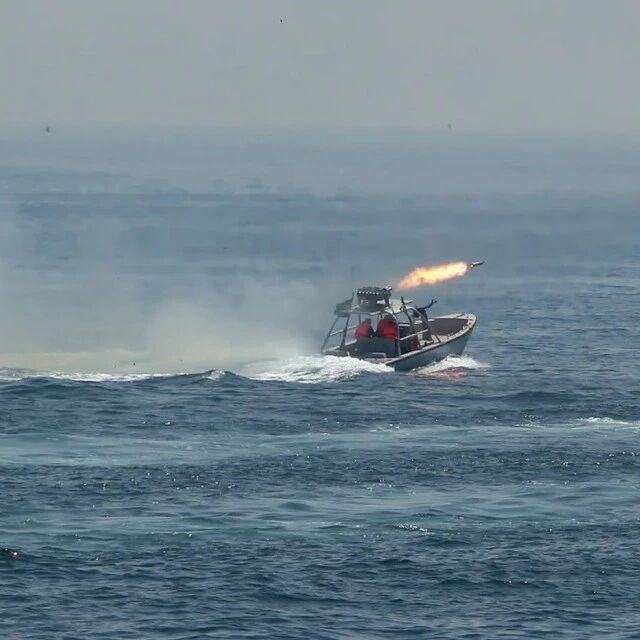
波兰升级海军以应对波罗的海的“俄罗斯威胁”
Xin Lang Cai Jing· 2026-01-22 05:49
Core Viewpoint - Poland is undertaking its largest naval reform since the Cold War to rebuild its long-neglected naval capabilities in response to increasing Russian strength in the Baltic Sea region [1] Group 1: Naval Developments - Poland is constructing three frigates at the Baltic coast city of Gdynia [1] - In November of the previous year, Poland agreed to purchase three submarines from Sweden [1] - The country has launched a new mine countermeasure vessel and started building a rescue ship to support submarine operations [1] Group 2: Historical Context - The Polish Navy currently operates one submarine, which is a Soviet-made vessel transferred to Poland in 1986 [1] - Additionally, the navy has two frigates built in the 1970s in the United States [1] - These developments aim to address decades of underinvestment in Poland's naval forces [1]