报关报检

Search documents
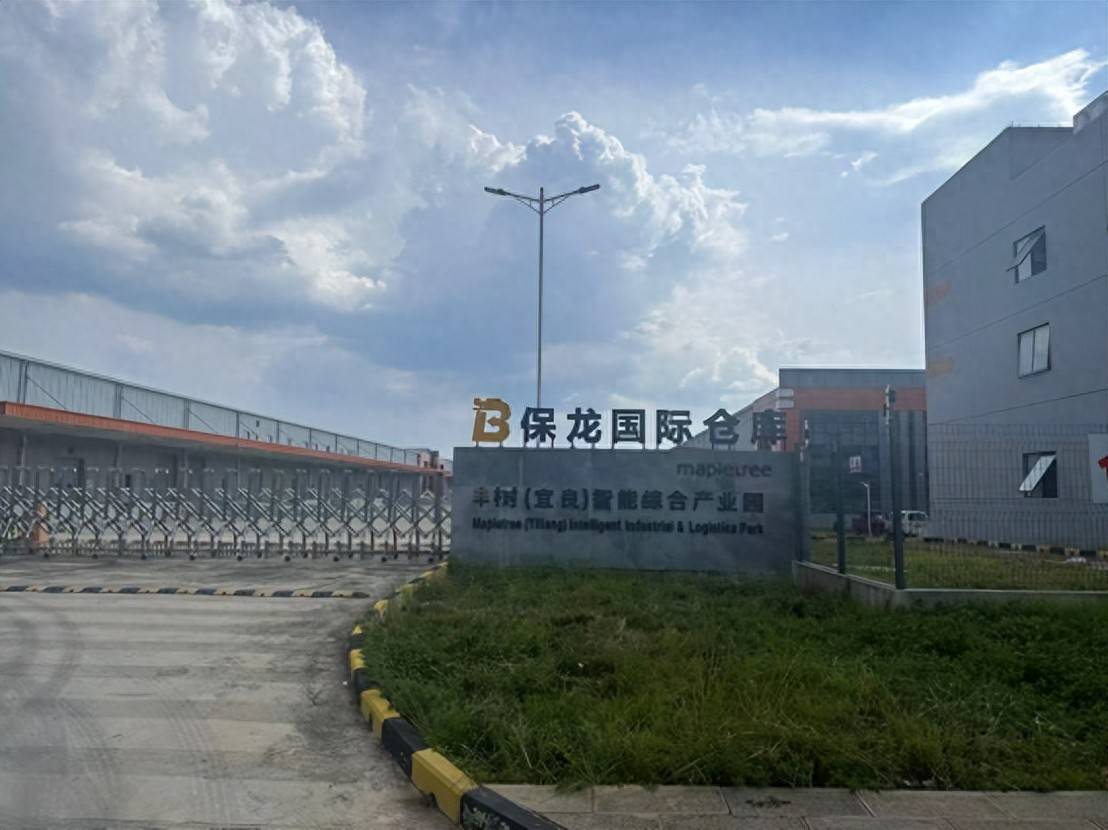
云南保龙国际物流有限公司获评国家 3A 级物流企业
Sou Hu Cai Jing· 2026-01-07 08:09
Core Viewpoint - Yunnan Baolong International Logistics Co., Ltd. has been recognized as a national 3A logistics enterprise, reflecting its comprehensive strength in hardware facilities, information technology, personnel quality, service quality, and management systems [1][8]. Group 1: Company Overview - Yunnan Baolong International Logistics Co., Ltd. was established in June 2014 with a registered capital of 50 million RMB, evolving into a diversified and comprehensive logistics enterprise over the past decade [3]. - The company's main business includes warehousing and storage of finished tobacco leaves, loading and unloading, transportation, labor dispatch, and has expanded into road cargo transportation (excluding hazardous goods), food sales, and various logistics services [3]. Group 2: Hardware and Facilities - The company boasts a strong hardware capability with a fleet of 300 vehicles, including various types such as closed and semi-closed trucks, flatbed trucks, and specialized lifting vehicles, ensuring nationwide delivery and stable partnerships with major city transfer stations [5]. - Multiple warehousing bases are strategically located around Kunming, providing one-stop services including packaging, sorting, transshipment, loading, and transportation, all managed through modern management practices to ensure efficiency and safety [5]. Group 3: Management and Talent Development - The company has established a comprehensive organizational structure led by a general manager, with seven departments including information, logistics, human resources, finance, transportation, warehousing, and business, employing 179 domestic and 21 international staff [6]. - Continuous improvement of internal mechanisms and management systems has led to ISO9001 quality management system certification, and the company has been appointed as a vice president unit of the Yunnan Chamber of Commerce [6]. Group 4: Business Philosophy and Future Outlook - The company adheres to the business philosophy of "Safety First, Service First, Efficiency First," aiming to save time and reduce costs for clients while enhancing product competitiveness [8]. - The recognition as a 3A logistics enterprise serves as authoritative validation of the company's past achievements and a strong motivation for future development, with a commitment to becoming the most trusted premium logistics enterprise in Yunnan [8].

跨境电商货代爆雷:一纸合同沉底,责任浮不上岸
Hu Xiu· 2025-07-30 07:28
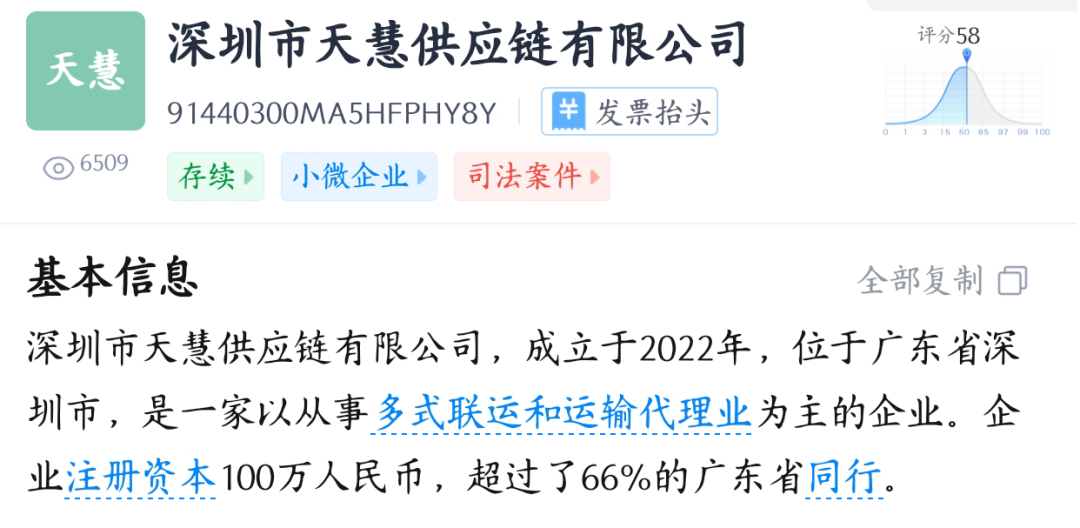
Core Viewpoint - The logistics trust crisis in the cross-border e-commerce sector has been highlighted by the sudden disappearance of Shenzhen-based Tianhui Supply Chain, affecting numerous companies and revealing systemic risks in the industry [3][9][34]. Group 1: Incident Overview - Tianhui Supply Chain, a logistics service provider, suddenly went missing in August 2024, leaving several million yuan in prepayments unaccounted for and multiple shipments to the U.S. without updates [1][2][6]. - The company had been a reliable partner for many businesses in the cross-border e-commerce logistics sector, but its abrupt disappearance has led to significant financial losses for over 46 companies, with debts exceeding 1.6 billion yuan [7][33]. - The incident has triggered a broader discussion about the lack of regulatory oversight and the prevalence of low-cost, high-risk business practices in the logistics industry [4][9]. Group 2: Industry Context - The cross-border e-commerce sector in China has seen explosive growth, with the total import and export volume reaching 2.63 trillion yuan in 2024, more than doubling since 2018 [11]. - However, the rapid expansion has led to a significant increase in the number of logistics companies, resulting in a competitive environment characterized by low pricing strategies that can jeopardize financial stability [14][16]. - In 2023, 44,600 logistics companies were deregistered, marking a 10.4% increase from 2022, indicating a trend of industry consolidation and heightened operational risks [14][16]. Group 3: Fraud Mechanism - Tianhui employed a "killing pig" scam strategy, initially attracting clients with significantly lower prices than the market average, then creating a façade of reliability through successful small shipments [22][24]. - The company collected advance payments while delaying payments to upstream service providers, creating a cash flow pool that ultimately collapsed when it ceased operations [25][28]. - The lack of clear contractual obligations and the mixing of funds across various accounts complicated the legal recourse for affected companies, making it difficult to trace and recover lost funds [26][50]. Group 4: Legal and Regulatory Challenges - The legal framework surrounding the logistics industry is weak, with many contracts lacking clear compensation standards, making it challenging for victims to assert their rights [44][50]. - Despite being legally registered, Tianhui's status as a "surviving" company complicates efforts to freeze assets or initiate legal actions, as many companies struggle to provide the necessary evidence for claims [46][49]. - The incident underscores the urgent need for improved compliance and regulatory measures within the logistics sector to protect businesses from similar fraudulent activities in the future [55][56].