拍易贷

Search documents
9000套流拍,银行直供房为何少人问津?
第一财经· 2025-12-01 13:31
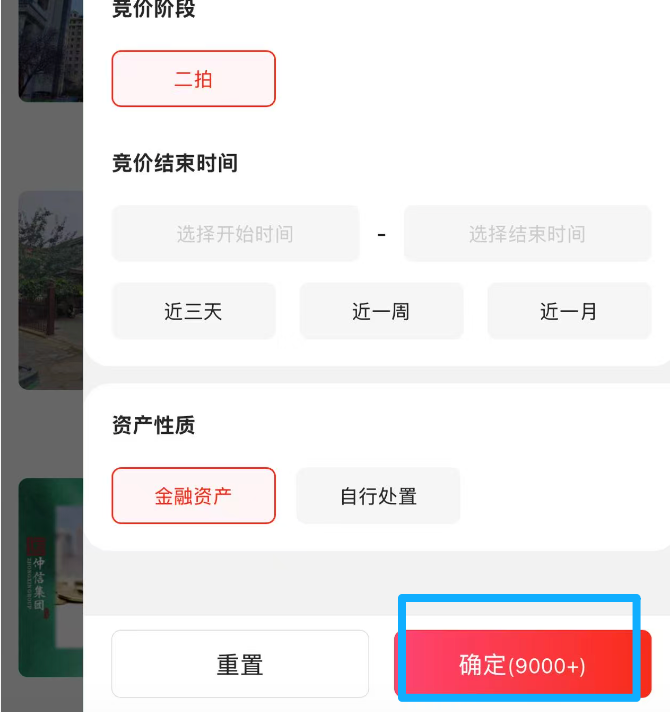
Core Viewpoint - The article discusses the accelerated disposal of non-performing real estate assets by commercial banks, highlighting the challenges faced in selling these properties through online platforms, despite their perceived low prices [3][4]. Group 1: Market Dynamics - A significant number of "bank direct supply houses" are being listed online, but many are facing auction failures, with over 9,000 properties entering the second auction phase due to lack of bids [4][10]. - The case of a property in Yinchuan, initially priced at 620,000 yuan, failed to sell and was re-listed at 558,600 yuan, yet still attracted no bidders [4][12]. Group 2: Challenges in Transactions - Key obstacles to successful transactions include property rights issues, risks of eviction, and potential debt disputes, which deter ordinary buyers [3][12]. - Some properties are located in less desirable areas or are older, making them less attractive to buyers, as seen with properties in regions like Inner Mongolia and Gansu [12][14]. Group 3: Risk Factors - Many low-priced properties may carry hidden risks, such as unresolved ownership disputes or issues with current occupants, complicating the buying process [13][14]. - For instance, a property in Guangdong was listed without a title deed due to historical registration issues, requiring buyers to negotiate with current residents for possession [14][18]. Group 4: Bank Strategies - Banks are attempting to provide financing options for potential buyers, such as the "Paiyi Loan" from Ningxia Huanghe Rural Commercial Bank, which offers up to 50% financing but requires full payment upfront [10][19]. - Analysts suggest that banks are accelerating the disposal of non-performing assets to mitigate risks associated with fluctuating property prices, especially in a declining real estate market [10][19]. Group 5: Future Considerations - The article emphasizes the need for a more regulated transaction mechanism and transparent information disclosure to balance asset liquidation and buyer protection [3][19]. - It is suggested that banks should consider alternative strategies for asset management, such as bundling properties for targeted sales or converting them into affordable housing options [19].


9000套流拍,银行直供房为何少人问津?产权风险与腾退难题成拦路虎
Di Yi Cai Jing· 2025-12-01 12:39
Core Insights - The article discusses the challenges faced by banks in selling "direct supply houses" through online platforms, highlighting a lack of buyer interest despite the perceived low prices [1][2][9] - It emphasizes the complexities and risks associated with these properties, including historical ownership issues and potential legal disputes, which deter potential buyers [1][9][10] Group 1: Market Dynamics - Banks are accelerating the disposal of non-performing real estate assets, with over a thousand properties listed for sale, but the actual transaction rates are disappointing [2][3] - Many properties have entered a second auction phase due to initial failures to sell, indicating a lack of demand [2][3] Group 2: Property Characteristics - Properties listed often suffer from location disadvantages, age, and condition, making them less attractive to buyers [9][10] - Specific examples illustrate the challenges, such as a property in Ningxia that failed to sell at a starting price of 62,000 yuan and was later listed at a reduced price with no bidders [3][9] Group 3: Risks and Concerns - Potential buyers face risks related to property rights, including unresolved ownership disputes and the need for buyers to manage property clearance post-purchase [1][10][14] - Some properties are sold as debt claims rather than direct ownership, complicating the purchasing process and increasing risk for buyers [14][15] Group 4: Financial Support and Strategies - Some banks offer financing options for potential buyers, such as the "Pai Yi Dai" product from Ningxia Huanghe Rural Commercial Bank, which allows for partial loans [8] - Analysts suggest that banks are motivated to expedite asset disposals to mitigate risks associated with declining property values [8][15]