
银行直供房

Search documents
9000套流拍,银行直供房为何少人问津?产权风险与腾退难题成拦路虎
Di Yi Cai Jing· 2025-12-01 12:39
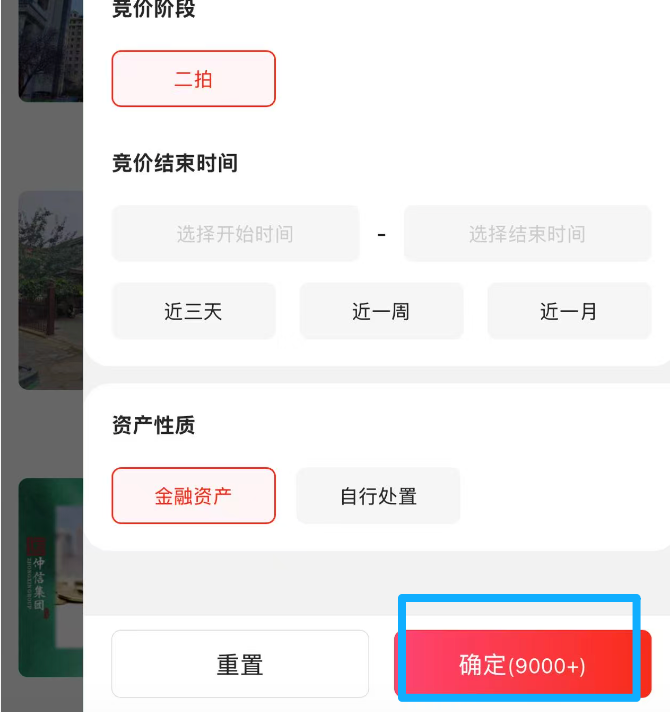
Core Insights - The article discusses the challenges faced by banks in selling "direct supply houses" through online platforms, highlighting a lack of buyer interest despite the perceived low prices [1][2][9] - It emphasizes the complexities and risks associated with these properties, including historical ownership issues and potential legal disputes, which deter potential buyers [1][9][10] Group 1: Market Dynamics - Banks are accelerating the disposal of non-performing real estate assets, with over a thousand properties listed for sale, but the actual transaction rates are disappointing [2][3] - Many properties have entered a second auction phase due to initial failures to sell, indicating a lack of demand [2][3] Group 2: Property Characteristics - Properties listed often suffer from location disadvantages, age, and condition, making them less attractive to buyers [9][10] - Specific examples illustrate the challenges, such as a property in Ningxia that failed to sell at a starting price of 62,000 yuan and was later listed at a reduced price with no bidders [3][9] Group 3: Risks and Concerns - Potential buyers face risks related to property rights, including unresolved ownership disputes and the need for buyers to manage property clearance post-purchase [1][10][14] - Some properties are sold as debt claims rather than direct ownership, complicating the purchasing process and increasing risk for buyers [14][15] Group 4: Financial Support and Strategies - Some banks offer financing options for potential buyers, such as the "Pai Yi Dai" product from Ningxia Huanghe Rural Commercial Bank, which allows for partial loans [8] - Analysts suggest that banks are motivated to expedite asset disposals to mitigate risks associated with declining property values [8][15]

银行直供房打折卖,能捡漏吗
21世纪经济报道· 2025-11-21 02:36
Core Viewpoint - The concept of "bank direct supply housing" is misleading as banks do not sell houses directly; they are promoting the disposal of non-performing assets, specifically properties acquired through loan defaults [1][2]. Group 1: Understanding "Bank Direct Supply Housing" - Banks are not licensed to sell real estate; their primary business is financial services such as deposits and loans [1]. - The term refers to banks promoting properties they have repossessed due to loan defaults, not direct sales by the banks themselves [1][2]. - The traditional method for banks to dispose of these properties involves bulk sales to asset management companies or public auctions on platforms like Alibaba and JD [2]. Group 2: Market Context and Trends - The popularity of "bank direct supply housing" has surged this year due to a low overall transaction rate of 13.1% for judicial auction properties in the first three quarters [2]. - The success rate for first-time auctions is only 39%, prompting banks to seek alternative methods to accelerate inventory turnover [2]. Group 3: Risks for Buyers - The property title typically remains under the original debtor's name, meaning buyers may inherit existing legal issues or disputes related to the property [2][3]. - Buyers should thoroughly investigate the property’s details, including any rights restrictions or potential eviction challenges post-purchase [3]. - The volume of "bank direct supply housing" is limited, with only a few hundred properties available, which is unlikely to impact the overall housing market significantly [3].

“银行直供房”打折卖,能捡漏吗?
2 1 Shi Ji Jing Ji Bao Dao· 2025-11-20 23:24
Core Insights - The concept of "bank direct supply housing" is misleading as banks do not sell houses directly but promote the disposal of non-performing assets [1][2] - The increase in popularity of "bank direct supply housing" this year is due to low auction success rates for foreclosed properties, prompting banks to seek faster inventory turnover [2][3] Summary by Sections - **Nature of "Bank Direct Supply Housing"** - Banks are not licensed to sell real estate; they primarily deal with financial services [1] - The properties promoted are actually non-performing assets that banks need to dispose of, not direct sales by banks [1][2] - **Market Context** - The overall transaction rate for foreclosed properties in the first three quarters of this year was only 13.1%, with a first auction success rate of 39% [2] - Banks are increasing the promotion of "bank direct supply housing" to accelerate inventory turnover due to these low success rates [2] - **Buyer Considerations** - The property title remains with the original debtor, and banks only have the authority to dispose of the property [4] - Potential buyers should be cautious of existing legal issues or encumbrances associated with the properties [4] - The volume of "bank direct supply housing" is limited, with only a few dozen to a few hundred properties available, which is unlikely to impact the overall housing market significantly [4]
“银行直供房”打折卖,能捡漏吗?|财经早察
2 1 Shi Ji Jing Ji Bao Dao· 2025-11-20 23:21
Core Viewpoint - The concept of "bank direct supply housing" is misleading as banks do not sell houses directly; instead, they promote properties they have repossessed due to loan defaults, aiming to recover losses through asset disposal [1][2]. Group 1: Nature of "Bank Direct Supply Housing" - Banks are licensed financial institutions primarily engaged in lending and deposit services, not in real estate sales [1]. - The term "bank direct supply housing" refers to banks promoting properties they have acquired as collateral, not selling them directly [1][2]. - The traditional method for banks to dispose of these properties involves bulk sales to asset management companies or public auctions on platforms like Alibaba and JD [2]. Group 2: Market Context and Trends - The popularity of "bank direct supply housing" has surged this year due to low transaction rates for judicial auction properties, with an overall success rate of only 13.1% in the first three quarters [2]. - Banks are under pressure to accelerate inventory turnover, leading to an increase in the promotion of "bank direct supply housing" to individual buyers [2][3]. Group 3: Considerations for Buyers - The ownership of the properties remains with the original debtors, and banks only have the authority to dispose of them, meaning potential legal issues may still exist [4]. - Buyers should thoroughly investigate the properties for any existing legal disputes or encumbrances, as well as potential challenges in vacating the property post-purchase [4]. - The overall volume of "bank direct supply housing" is limited, with only a few dozen to a few hundred properties available, which is unlikely to impact the broader housing market significantly [4].
“银行直供房”打折卖 能捡漏吗?|财经早察
2 1 Shi Ji Jing Ji Bao Dao· 2025-11-20 23:11
Core Viewpoint - The concept of "bank direct supply housing" is misleading as banks do not sell houses directly; instead, they promote the disposal of non-performing assets, specifically properties acquired through loan defaults [1][2]. Group 1: Nature of "Bank Direct Supply Housing" - Banks are licensed financial institutions primarily engaged in lending and deposit services, not in real estate sales [1]. - The properties promoted by banks are actually collateral from borrowers who defaulted on loans, and banks do not have the legal authority to sell real estate [1][2]. - The traditional method for banks to dispose of these properties involves bulk sales to asset management companies or public auctions on platforms like Alibaba and JD.com [2]. Group 2: Market Dynamics - The term "bank direct supply housing" has gained popularity this year due to a low overall transaction rate of 13.1% for judicial auction properties in the first three quarters [2]. - The success rate for first-time auctions is only 39%, prompting banks to seek alternative methods to accelerate inventory turnover [2][3]. Group 3: Buyer Considerations - The ownership of the properties remains with the original debtors, and banks only have the authority to dispose of them, meaning potential legal issues may still exist [4]. - Buyers should thoroughly investigate the property details, including any existing legal disputes or encumbrances, before proceeding with a purchase [4]. - The volume of "bank direct supply housing" is limited, with only a few dozen to a few hundred properties available, which is unlikely to impact the overall housing market significantly [4].
“银行直供房”大增,楼市下行经营贷续贷风险曝光
第一财经· 2025-11-16 10:39
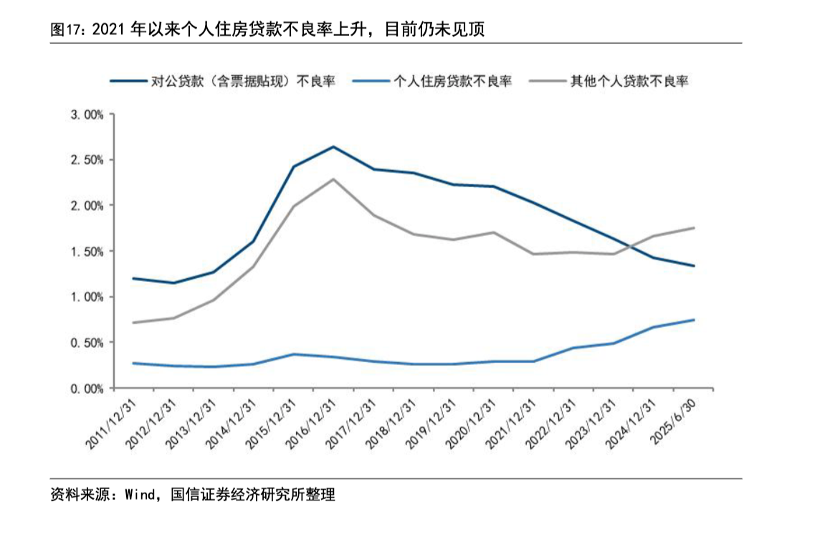
Core Viewpoint - The article discusses the recent surge in banks directly selling properties through online platforms, driven by multiple factors including the need to address loan renewals and optimize asset management in a declining real estate market [3][5][6]. Group 1: Reasons for Increased Direct Property Sales - Banks are accelerating the sale of "debt properties" due to the expiration of operating loans, leading to a reassessment of collateral values, which are often lower than the original loan amounts [3][6]. - The trend is particularly pronounced among regional banks, with a significant increase in the number of properties listed for direct sale [5][6]. - Regulatory bodies have issued warnings regarding risks associated with high valuations and loans, contributing to the urgency for banks to offload these assets [6][7]. Group 2: Motivations for Banks - Banks are motivated to expedite the disposal of debt assets to reduce capital consumption, as regulations require them to dispose of such assets within a specified timeframe to avoid punitive risk weights [7][12]. - Selling these properties at a discount can help banks recover funds quickly and supplement current profits amid ongoing revenue pressures [7][12]. - The expectation of declining property values further incentivizes banks to sell quickly to mitigate potential losses [7][12]. Group 3: Trends in Non-Performing Asset Disposal - The rise in retail loan defaults is evident, with increasing non-performing loan rates across various categories, including personal housing loans [9][10]. - Non-performing asset disposal has become a significant profit growth area for banks, with diverse methods being employed, including write-offs, collections, transfers, and asset securitization [12][14]. - The issuance of non-performing loan asset-backed securities (ABS) has surged, indicating a growing market for these financial instruments as banks seek to manage their bad debts [13][14]. Group 4: Market Impact and Risk Assessment - There are differing opinions on the impact of direct property sales on the real estate market, with some analysts suggesting it could exert pressure on prices, particularly in second-tier cities [16]. - However, others argue that the scale of these sales is insufficient to significantly affect market prices, which are primarily driven by high inventory levels [16]. - Overall, the risk associated with real estate exposure in first and second-tier cities is considered manageable, although some regional banks may still face challenges [16][17].
“银行直供房”大增,楼市下行经营贷续贷风险曝光
Di Yi Cai Jing· 2025-11-16 08:40
Core Insights - The article discusses the recent surge in banks directly selling properties through online platforms, with several banks, including Agricultural Bank, Construction Bank, and Transportation Bank, listing over a thousand properties for sale, indicating a significant acceleration in asset disposal [1][2] - The increase in direct property sales is attributed to multiple factors, including the expiration of operational loans, the revaluation of mortgaged properties due to a declining real estate market, and banks' need to optimize their balance sheets and release capital [1][4] Group 1: Reasons for Increased Direct Property Sales - Banks are facing challenges with loan renewals as properties are being revalued lower than their original loan amounts, leading to difficulties for borrowers and an influx of properties into the auction market [3][4] - The trend of increasing direct property sales is particularly evident among regional banks, with a notable rise in the number of properties listed for sale [2][3] - Regulatory bodies have issued warnings regarding risks associated with high valuations and lending practices, further influencing banks' decisions to expedite property sales [3] Group 2: Banks' Motivations for Accelerated Asset Disposal - Banks are motivated to accelerate the disposal of non-performing assets to reduce capital consumption, as regulations require them to dispose of such assets within a specified timeframe to avoid punitive risk weights [4][6] - Selling off distressed properties at discounted prices allows banks to recover funds quickly and supplement their profits amid ongoing revenue pressures [4][5] - The expectation of further declines in property values prompts banks to act swiftly to mitigate potential losses from prolonged holding periods [4][10] Group 3: Trends in Non-Performing Asset Management - The rising non-performing loan rates across various retail loan categories, including personal housing loans, indicate increasing financial stress within the banking sector [5][6] - Banks are diversifying their asset disposal strategies, utilizing methods such as write-offs, collections, transfers, and asset-backed securities (ABS) to manage non-performing loans effectively [6][7] - The issuance of ABS related to non-performing loans has significantly increased, with a notable rise in the volume of personal housing mortgage ABS, reflecting banks' heightened need for asset disposal [7] Group 4: Market and Risk Assessment - There are differing opinions on the impact of direct property sales on the real estate market, with some analysts suggesting potential price pressures in certain cities, while others believe the scale of sales is insufficient to affect overall market prices [8][10] - The risk associated with banks' exposure to real estate is considered manageable in major cities, although some regional banks may still face challenges [8][10] - The shift towards more transparent and diversified asset disposal methods indicates a positive trend for banks' balance sheets, as the disposal of distressed assets can lead to improved financial health [10]

卜房者说|有房源直接打4折!银行直供房真能捡漏
Sou Hu Cai Jing· 2025-11-11 22:11
Core Insights - The emergence of "bank direct supply housing" offers properties at prices 15% to 25% lower than market rates, with some listings at up to 60% off [1] - These properties are primarily sold by local city commercial banks, with examples from Shaoyang and Yueyang showcasing significant price advantages compared to the local second-hand housing market [1] - The direct sale model allows banks to expedite asset disposal, reducing the traditional two-year processing time for real estate [1] Group 1 - "Bank direct supply housing" is not a new concept; it involves properties repossessed by banks that are sold directly after legal procedures ensure clear ownership [1] - The price advantage of these properties is substantial compared to regular second-hand homes, making them attractive to first-time buyers [1] - The properties are considered more reliable than auctioned properties, as banks provide clear ownership without the complications of long-term leases or private loan disputes [1] Group 2 - Buyers should conduct thorough inspections as these homes are often sold "as-is," potentially requiring additional funds for repairs [2] - It is crucial to verify any outstanding taxes or fees associated with the properties, ensuring clarity on who will cover these costs [2] - The availability of bank direct supply housing primarily benefits first-time buyers, while having limited impact on the high-end housing market, potentially leading to more rational pricing in the second-hand market [2]