
拜糖苹

Search documents
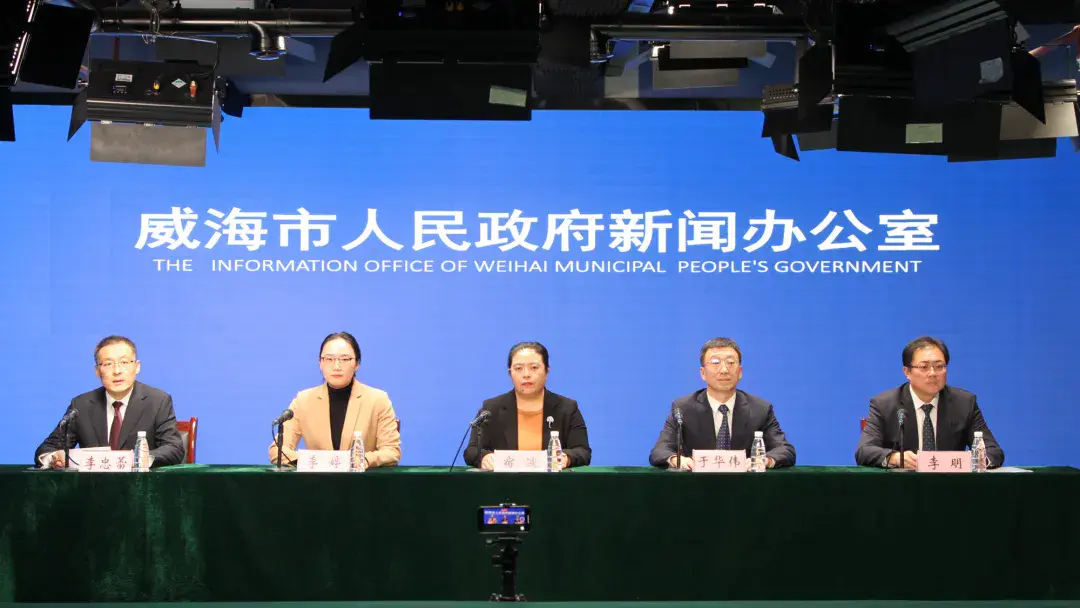
威海医保“十四五”交出亮眼答卷:改革发展成果惠及全民
Qi Lu Wan Bao· 2026-01-13 10:25
Core Viewpoint - During the "14th Five-Year Plan" period, Weihai's medical insurance department has focused on enhancing public health and satisfaction through continuous reforms and improvements in medical insurance services [3][10]. Group 1: Fund Operation and Security - The medical insurance fund in Weihai has been operating smoothly, with both employee and resident insurance funds remaining within a sustainable range [3]. - A total of 94.69 million yuan has been recovered or denied in fund supervision efforts [3]. Group 2: Benefit Guarantee Mechanism - The outpatient mutual insurance guarantee mechanism has been fully established, with reimbursement rates for inpatient care at over 80% for employees and 65% for residents [3]. - Outpatient reimbursements have reached 11.69 million instances, totaling 1.098 billion yuan [4]. - The major illness insurance system has been enhanced, with a maximum reimbursement rate of 90% and a cap of 900,000 yuan, totaling 609 million yuan paid out [4]. Group 3: Collaborative Development and Governance - The integration of medical, insurance, and pharmaceutical sectors has been emphasized, with 890 types of drugs and 40 categories of medical supplies included in centralized procurement [5]. - The price of diabetes medication has dropped by 88%, from 600 yuan to 75 yuan per box, and the average price of cochlear implants has decreased by 68% [5]. Group 4: Payment Mechanism - The implementation of the DRG payment system has led to a 16% reduction in average hospitalization costs compared to the end of the "13th Five-Year Plan" [6]. - The number of drugs in the medical insurance directory has increased from 2,709 to 3,159, with 600 types of negotiated drugs now included [6]. Group 5: Fund Supervision - The Weihai medical insurance bureau has maintained a high-pressure stance against fraud, recovering 25.83 million yuan through self-inspection and proactive measures [8]. - A total of 4,513 cases of non-compliance with medical insurance reimbursement have been identified, involving 89.47 million yuan in medical expenses [8]. Group 6: Service System - The establishment of a "15-minute medical insurance service circle" has been achieved, with 858 service stations handling over 100,000 transactions annually [9]. - The "Weihai Medical Insurance" app has facilitated online services for 1.34 million users, with over 85% of medical institutions adopting electronic insurance certificates [9].

“医保可报销药品仅占2%”,谣言因何而来?医保可报销药品占比该怎么算?
Yang Guang Wang· 2025-10-13 02:29
Core Viewpoint - The claim that only 2% of approved drugs are covered by medical insurance is misleading, as it conflates different statistical measures and misrepresents the actual coverage of the medical insurance drug list [1][2]. Summary by Sections Statistical Discrepancies - The National Medical Insurance Bureau clarified that the comparison between the number of approved drugs (over 150,000) and the number of drugs in the medical insurance directory (3,159) is erroneous due to differing statistical bases [1][3]. - The medical insurance directory counts drugs by their active ingredients (generic names), while the drug approval statistics count each unique product by its approval number, leading to a significant difference in numbers [2][3]. Drug Approval and Coverage - As of the end of 2024, there are over 150,000 drug approval numbers in China, with more than 110,000 having sales records. The medical insurance directory's 3,159 drugs correspond to over 70,000 approval numbers, representing approximately 63% of the market [3][6]. - The medical insurance drug list has been adjusted over the past seven years, adding 835 drugs and removing 438, ensuring that it covers the majority of clinically necessary medications, especially for major diseases like cancer [4][5]. Policy and Drug Selection - The selection of drugs for the medical insurance directory is based on the principle of meeting basic medical needs while considering clinical necessity and economic factors. Certain categories, such as health supplements and preventive vaccines, are excluded from coverage [5][6]. - The quality and structure of drugs in the medical insurance directory have improved over time, with a focus on optimizing the coverage rather than merely increasing the percentage of drugs listed [6].
问真相丨“医保可报销药品仅占2%”,谣言因何而来?医保可报销药品占比该怎么算?
Yang Guang Wang· 2025-10-12 23:38
Core Viewpoint - The recent claim that only 3,159 out of over 150,000 approved drugs are included in the national medical insurance directory, representing only 2%, is misleading and based on different statistical standards [1][2]. Group 1: Drug Approval and Insurance Coverage - The National Medical Insurance Bureau clarified that the comparison of the number of approved drugs and those in the insurance directory is flawed due to differing statistical criteria [1][3]. - The number of drugs in the insurance directory (3,159) is based on active ingredients, while the total approved drugs (over 150,000) includes multiple brand names and approval numbers for the same drug [2][3]. - When standardized, the number of approval numbers for the drugs in the insurance directory exceeds 70,000, accounting for approximately 63% of the drugs with sales records in the market [3][6]. Group 2: Drug Directory Adjustments and Clinical Relevance - The National Medical Insurance Bureau has adjusted the drug directory for seven consecutive years, adding 835 drugs and removing 438 that are ineffective or outdated [4][5]. - The current directory includes essential drugs for major diseases, with a focus on maintaining a balance between clinical necessity and economic feasibility [5][6]. - The quality and structure of the drugs in the insurance directory have improved significantly, with a more reasonable cost level and enhanced coverage [6]. Group 3: Policy Implications and Future Considerations - The insurance policy aims to provide basic drug coverage while considering the financial capacity of the insurance fund and the overall social burden [6]. - The focus is on optimizing the structure of the drug directory rather than merely increasing the percentage of covered drugs, emphasizing the importance of addressing significant health needs, especially for chronic diseases [6].