
医保药品目录调整

Search documents
不良反应等“尚不明确”的中成药或将被调出医保目录
2 1 Shi Ji Jing Ji Bao Dao· 2026-02-12 12:20
Core Viewpoint - The National Healthcare Security Administration (NHSA) is set to adjust the National Medical Insurance Drug List in 2026, focusing on optimizing the review process and ensuring alignment with the current healthcare fund capabilities and drug supply conditions [1][4]. Group 1: Drug List Adjustment - The adjustment will prioritize Traditional Chinese Medicine (TCM) that has unclear adverse reactions, which will be targeted for removal from the list [1][3]. - The NHSA emphasizes a transparent and scientific review process, enhancing public communication regarding the adjustment logic and evaluation criteria [1][2]. Group 2: Reference Drug Communication - The NHSA has introduced a "Reference Drug Communication Method" to optimize the evaluation rules, allowing innovative drugs to apply for reference drug status earlier in the process [2][4]. - The selection of reference drugs will now occur before the traditional evaluation phase, enabling companies to prepare more comprehensive economic and clinical data [2][3]. Group 3: Focus on Traditional Chinese Medicine - TCM drugs with "unclear" labels regarding contraindications and adverse reactions will face stricter scrutiny, with new applications likely to be denied if such issues are present [3][5]. - A significant increase in drug applications is expected, with a 30% to 40% rise in 2025 compared to 2024, driven by a large existing drug inventory and accelerated approvals of innovative drugs [3][6]. Group 4: Regulatory Measures and Market Dynamics - The NHSA's ongoing efforts to regulate TCM include a focus on improving the quality of drug labels and ensuring that outdated or ineffective drugs are phased out [6][8]. - High-priced TCM products lacking unique therapeutic effects will be increasingly excluded from the market, as the NHSA has initiated multiple price governance actions [9].
不良反应等尚不明确的中成药或被调出医保
21世纪经济报道· 2026-02-12 10:32
Core Viewpoint - The National Healthcare Security Administration (NHSA) is set to adjust the National Medical Insurance Drug List in 2026, focusing on optimizing the review process and ensuring alignment with the current healthcare fund's payment capacity and drug supply situation [1][7]. Group 1: Drug List Adjustment Principles - The adjustment will adhere to the principles of steady progress and continuous optimization, emphasizing transparency and scientific evaluation in the review process [1][5]. - Traditional Chinese medicine (TCM) products with unclear adverse reactions will be prioritized for removal from the list [1][7]. Group 2: Reference Drug Communication Method - The NHSA has introduced a trial method for reference drug communication, which will allow for the selection of reference drugs to assess the value of new drug applications [3][5]. - This method aims to enhance the preparation of economic and clinical data by allowing early application for reference drug determination [5]. Group 3: Focus on Traditional Chinese Medicine - TCM products will be a key focus in the upcoming adjustments, particularly those with "unclear" labels in their instructions regarding contraindications and adverse reactions [5][7]. - From July 1, 2026, TCM products with unclear safety information will not be approved for re-registration, impacting those already on the list [5][11]. Group 4: Increase in Drug Applications - The number of drug applications for the National Medical Insurance Drug List has surged, with a projected increase of 30% to 40% in 2025 compared to 2024, and further growth expected in 2026 [6]. - The rapid approval of innovative drugs, with 76 new first-class innovative drugs approved in 2025, contributes to this increase [6]. Group 5: Regulatory Trends and Challenges - The tightening of regulations around TCM products indicates a rising barrier to entry, with a focus on eliminating products that lack clinical efficacy and have unclear safety profiles [11][12]. - The NHSA has been actively conducting price governance actions against TCM products that are overpriced without unique therapeutic effects, leading to their potential exclusion from reimbursement [12].

医保药品目录将优化评审规则
Xin Lang Cai Jing· 2026-02-11 21:49
Group 1 - The National Healthcare Security Administration (NHSA) is set to adjust the National Medical Insurance Drug List in 2026, focusing on aligning with current healthcare fund capabilities and drug supply situations [1] - Traditional Chinese medicines with unclear adverse reaction labels will be prioritized for removal from the list [1] - The adjustment process will emphasize transparency and scientific evaluation, ensuring fairness and clarity in the rationale and criteria for changes [1] Group 2 - The newly released "Reference Drug Pre-communication Method (Trial)" optimizes the evaluation rules for new drug applications [2] - Reference drugs serve as benchmarks for assessing the value of new drugs during negotiations, influencing pricing outcomes [2] - The new method allows eligible innovative drugs to apply for reference drug status earlier, facilitating better preparation of economic and clinical data for subsequent evaluations [2]
不良反应等“尚不明确”的中成药或将被调出中国医保目录
Xin Lang Cai Jing· 2026-02-11 12:32
Core Insights - The adjustment of China's medical insurance drug catalog for 2026 will focus on traditional Chinese medicines (TCM) with unclear contraindications, adverse reactions, and precautions in their instructions [1][2] - The principle of supporting innovation in medical insurance remains unchanged, with a dynamic adjustment approach that emphasizes the clinical value of innovations [1] - Drugs that have been clinically replaced, have uncertain clinical effects, or have not been produced for a long time will be prioritized for removal from the catalog [1] Group 1 - The National Medical Insurance Administration indicated that TCM with "unclear" items in their instructions may be removed from the insurance catalog [1] - The adjustment process will maintain a balance of adding and removing drugs, focusing on those that do not meet current clinical needs [1] - The recent regulations from the National Medical Products Administration state that any TCM with unclear contraindications, adverse reactions, or precautions will not be re-registered after July 1, 2026, potentially leading to a significant exit of TCM from the market [1] Group 2 - TCM applications for inclusion in the insurance catalog will face challenges if their instructions contain "unclear" items [2] - Existing TCM in the current catalog may also be removed if they have unresolved issues in their instructions, aligning with national safety and rational medication requirements [2]
新版医保药品目录落地月余 99种新药已进驻超万家定点机构
Xin Lang Cai Jing· 2026-02-08 12:21
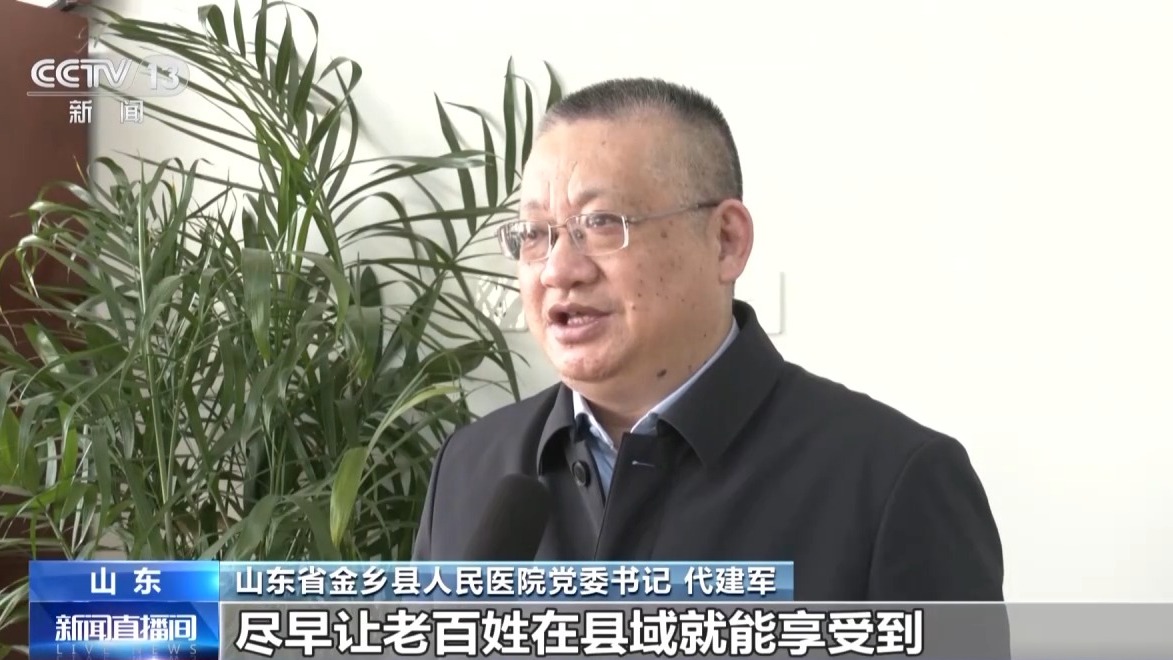
Core Viewpoint - The new medical insurance drug list has been implemented nationwide since January 1, 2023, with 99 new drugs already available in over 12,000 designated medical institutions, aiming to improve patient access to essential medications [1][5]. Group 1: Implementation and Accessibility - The new drug list has led to the addition of over 30 new drugs at the People's Hospital of Jinxing County, ensuring that patients can access and afford these medications [1][3]. - In Sichuan, a dual-channel supply system has been established for essential new drugs, allowing for direct reimbursement from the insurance fund, which alleviates the financial burden on hospitals [5][6]. - The price of a previously expensive drug for coronary heart disease has been reduced from 9,988 yuan to 2,790 yuan per injection, significantly lowering out-of-pocket costs for patients [6]. Group 2: Challenges in Implementation - Despite the progress, there are still bottlenecks in the availability of "nationally negotiated drugs" in hospitals, primarily due to the rapid increase in the number of new drugs compared to the limited capacity of hospital formularies [9][11]. - Hospitals face challenges in deciding which new drugs to adopt, especially when multiple similar treatments are available, complicating the procurement process [12][15]. - The approval process for new drugs can take from one to twelve months, which delays their availability in hospitals [12][13]. Group 3: Commercial Health Insurance - A new commercial health insurance innovation drug list has been introduced alongside the medical insurance drug list, including 19 innovative drugs that are not covered by basic insurance [18][22]. - A case study highlights a patient with diffuse large B-cell lymphoma who benefited from a CAR-T therapy covered by commercial insurance, demonstrating the financial relief provided by such policies [20][22]. - The commercial insurance aims to address the diverse medication needs of patients, focusing on innovative and advanced treatments, while basic insurance maintains a focus on essential coverage [22].
114种新药落地报销 甘肃新版医保药品目录全面执行
Xin Lang Cai Jing· 2026-01-31 02:59
Core Viewpoint - The implementation of the new medical insurance drug directory in Gansu Province aims to enhance healthcare accessibility by including 114 urgently needed drugs, with a focus on innovative treatments and chronic disease management [1][2]. Group 1: New Drug Inclusion - A total of 114 new drugs have been added to the medical insurance reimbursement list, with 50 being innovative drugs, marking a record high in both quantity and proportion [2]. - Among the new additions, 36 are anti-cancer drugs targeting various types of cancers, significantly reducing patient costs; for instance, the price of a domestic innovative drug for triple-negative breast cancer drops from nearly 10,000 yuan to over 4,000 yuan after insurance reimbursement [2]. - The total number of drugs in the Gansu medical insurance directory has increased to 3,253, including 1,857 Western medicines and 1,396 traditional Chinese medicines, while 29 low-value drugs have been removed to optimize fund allocation [2]. Group 2: Commercial Insurance Innovations - The first edition of the Commercial Health Insurance Innovative Drug Directory has been launched, including 19 high-value innovative drugs that complement basic medical insurance [3]. - These drugs cover critical areas such as cancer and rare diseases, encouraging commercial insurance companies to design new products and improve reimbursement scopes [3]. Group 3: Implementation Measures - Gansu Province has upgraded its medical insurance information system to ensure smooth reimbursement processes and accurate drug directory updates [4]. - Measures include classifying high-demand drugs for separate payment policies to reduce patient financial burdens and a 6-month transition period for drugs that are not renewed in the directory [4]. - Ongoing training and monitoring will be conducted to ensure that medical institutions comply with the new policies and that patient medication needs are met while safeguarding the insurance fund [4].
国家医保药品“清单”一览
Xin Lang Cai Jing· 2026-01-12 19:03
Core Insights - The latest version of the medical insurance drug list will be implemented on January 1, 2026, with significant updates aimed at improving access to essential medications for insured individuals [1]. Group 1: New Drug Additions - A total of 114 new drugs have been added to the list, with 50 classified as first-class new drugs, marking a record high in both quantity and proportion [2]. - New drugs include treatments for critical conditions such as triple-negative breast cancer and pancreatic cancer, as well as medications for chronic diseases and rare diseases [2]. Group 2: Expanded Payment Coverage - The payment scope has been broadened for 65 drugs, with new indications included for reimbursement, such as additional targets for non-small cell lung cancer treatments and expanded age eligibility for certain rare disease medications [3]. - Adjustments have been made to align payment criteria more closely with clinical practices, such as changing the payment range for certain drugs from "previous chemotherapy" to "past chemotherapy" [3]. - Some drugs have had restrictions removed or modified, while ensuring that reimbursement is still aligned with clinical guidelines [3]. Group 3: Drug Removal and Transition Policies - A total of 29 drugs have been removed from the list, primarily those that have been clinically obsolete or not produced for an extended period [4]. - A transition policy has been established for drugs that were removed but had not successfully renewed their contracts, allowing a 6-month period for insured individuals to purchase these drugs at the original reimbursement standards [4].
事关药品医保支付标准 国家医保局公开征求意见
Xin Hua She· 2026-01-12 02:12
Core Viewpoint - The National Healthcare Security Administration (NHSA) has drafted a consultation document for the "Pre-communication Method for Reference Drugs (Trial)" to stabilize expectations among pharmaceutical companies during the adjustment of the medical insurance drug catalog [1] Group 1: Policy Changes - The NHSA has introduced a method for selecting reference drugs during the adjustment of the medical insurance drug catalog, which serves as an important anchor for calculating drug reimbursement standards [1] - A separate communication phase for reference drugs is deemed necessary to enhance the scientific, fair, and standardized selection process through expert discussions before the catalog adjustment begins [1] Group 2: Implementation Details - The pre-communication work for reference drugs will initially focus on Class 1 new drugs, which include Class 1 chemical drugs, Class 1 therapeutic biological products, and Class 1 traditional Chinese medicines as classified by the National Medical Products Administration [1] - Class 1 new drugs that have not yet been approved but have had their market applications accepted and passed technical reviews can also apply for pre-communication [1] Group 3: Application Process - Pharmaceutical companies can voluntarily submit applications for pre-communication of reference drugs to the NHSA's Medical Price and Bidding Procurement Guidance Center, which will verify the authenticity and completeness of the materials before providing feedback on whether the application is accepted [1] - Public feedback on the consultation document can be submitted via email to the NHSA, with a deadline set for January 16, 2026, at 17:00 [1]
青年早新闻|事关药品医保支付标准 国家医保局公开征求意见
Xin Lang Cai Jing· 2026-01-10 00:54
Group 1: Market Competition in Food Delivery Platforms - The State Council's Anti-Monopoly and Anti-Unfair Competition Committee has initiated an investigation into the market competition status of the food delivery platform service industry, based on the Anti-Monopoly Law of the People's Republic of China [2][3] - The investigation aims to address issues such as excessive subsidies, price wars, and traffic control that have been reported in the food delivery sector, which are seen as squeezing the real economy and intensifying "involution" competition [2][3] - The committee will employ methods such as on-site verification, face-to-face interviews, and surveys to gather comprehensive insights into competitive behaviors within the food delivery platforms and will solicit opinions from various stakeholders including operators, new employment groups, and consumers [3] Group 2: Healthcare and Pharmaceutical Regulations - The National Healthcare Security Administration has drafted a consultation document regarding the adjustment of the medical insurance drug catalog, which includes a new communication process for reference drugs [4] - This new process aims to enhance the scientific, fair, and standardized selection of reference drugs, starting with Class 1 new drugs as classified by the National Medical Products Administration [4] - Pharmaceutical companies can voluntarily apply for pre-communication regarding reference drugs, which will be verified for authenticity and completeness before feedback is provided [4][5]
国家医保局就《参照药预沟通办法(试行)》(征求意见稿)公开征求意见
Jing Ji Guan Cha Wang· 2026-01-09 14:55
Core Viewpoint - The National Healthcare Security Administration (NHSA) is seeking public opinion on the draft of the "Reference Drug Communication Method (Trial)" to enhance the scientific, fair, and standardized selection of reference drugs during the adjustment of the medical insurance drug list [1] Group 1: Policy Changes - The NHSA has introduced the practice of selecting reference drugs during the adjustment of the medical insurance drug list, which serves as an important anchor for calculating drug reimbursement standards [1] - A separate communication phase for reference drugs will be established to allow experts to propose suggestions before the adjustment process begins, thereby improving the selection process [1] Group 2: Support for Innovative Drugs - The reference drug communication work will initially focus on Class 1 new drugs, which include newly registered Class 1 chemical drugs, Class 1 therapeutic biological products, and Class 1 traditional Chinese medicines [1] - Class 1 new drugs that have not yet been approved for market but have had their applications accepted and passed technical review by the National Medical Products Administration can also apply in advance [1]