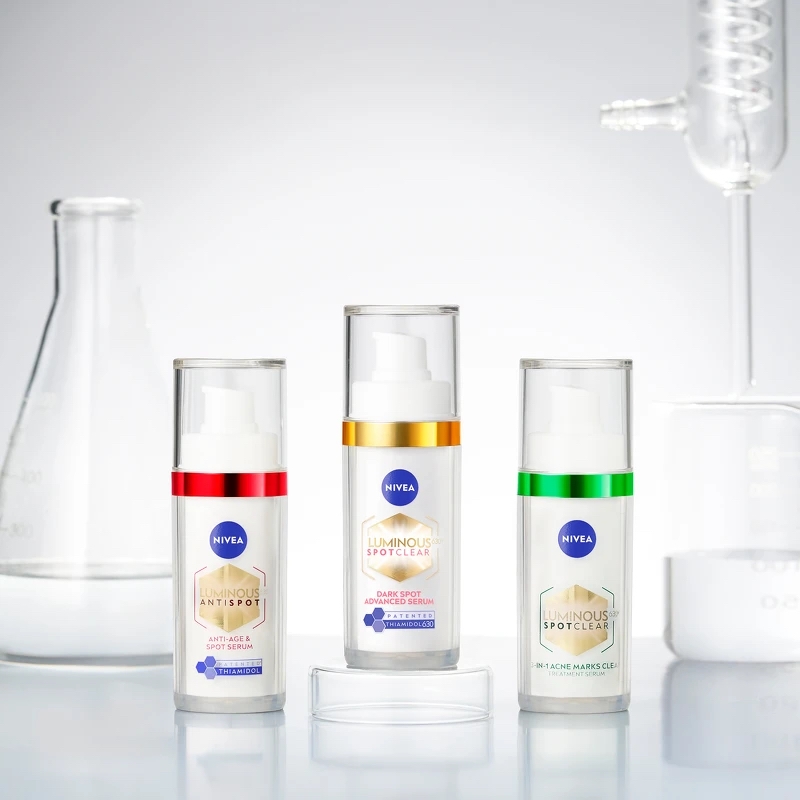
提安明多®630

Search documents
深度 | 美妆科学传播的下一个浪潮是什么?
FBeauty未来迹· 2026-01-19 12:34
Core Insights - The beauty science communication has shifted from a "one-way output of scientific strength" to a "temperature dialogue with consumers" over the past 25 years, focusing on social emotional insights rather than just scientific data [2][4] - The NUTE model (Need-Unique-Technology-Evidence) is introduced as a methodology for scientific communication, emphasizing the importance of translating hard science into relatable solutions for consumers [3][5] Evolution of Beauty Science Communication - The initial phase focused on creating market buzz through ingredient efficacy and scientific concepts [4] - The explosion of scientific content saw many beauty companies entering the field, but it lacked consumer focus [4] - The communication evolved to a consumer-centric approach, aiming for empathy and understanding [4] - The current phase emphasizes co-creation of brand trust, where consumers focus less on scientific data and more on brand reliability [4] Case Studies in Effective Communication - Natural Hall's "anti-fatigue" marketing effectively resonated with consumers by translating abstract concepts into relatable experiences, such as "post-overtime fatigue" [6] - Zhanmiya utilized cinematic storytelling to connect with the emotional expectations of consumers regarding "China's technological rise," showcasing the journey of artificial skin [8] - Brands like Zhenyan addressed information gaps in post-surgery care by prioritizing knowledge dissemination over direct product promotion [10] The Role of Social Emotion - Social emotion acts as a "translator" in scientific communication, transforming deep research into consumer-friendly language and practical solutions [12] - The understanding of consumer needs is crucial, as effective communication is not about what brands research but what consumers need to know [12] Unique Research Frameworks - Establishing a unique research framework is essential for brands to create an irreplaceable competitive edge, allowing them to transition from "ingredient followers" to "category definers" [13] - Brands must avoid merely showcasing single-point technologies and instead build comprehensive frameworks or focus on specialized breakthroughs [13][14] Challenges in Consumer Acceptance - Concepts like ECM (extracellular matrix) are difficult for consumers to grasp; thus, brands must create relatable scenarios to make advanced theories accessible [16][18] - Shiseido's innovative approach to anti-aging through "memory T cells" represents a reverse strategy in a market focused on collagen supplementation [19][22] Evidence-Based Communication - The beauty industry is adopting a structured evidence chain similar to that in clinical research, categorizing evidence into various levels to enhance credibility [34][36] - Brands like HBN are leading the way in establishing standardized guidelines for efficacy evidence, promoting transparency and scientific rigor [41] Visualizing Scientific Evidence - OLAY's use of 3D technology to visualize the effects of their products represents a shift towards making scientific evidence more comprehensible and relatable to consumers [42][44] - The focus is on reducing the complexity of scientific data to enhance consumer trust and understanding [45] Future Directions - The industry is moving towards a model where storytelling is used to explain science, fostering a two-way relationship between brands and consumers [47] - The expectation is for brands to create relatable narratives that connect scientific advancements with everyday consumer experiences, enhancing trust and engagement [47]


当提安明多®630商标落地,“德国精度”在此刻形成闭环
FBeauty未来迹· 2025-10-22 12:35
Core Viewpoint - Bayer's new product, Thiamidol 630, represents a significant milestone in the integration of global research and local market needs, showcasing a model of innovation that combines "German precision" with "Shanghai speed" [3][4][24]. Group 1: Product Development and Market Integration - Thiamidol 630 is the second new whitening ingredient approved in China and the first to receive approval after the implementation of the Cosmetics Supervision and Administration Regulations in 2021, marking a significant achievement in localizing global innovations [5][24]. - The product's development process, referred to internally as the "211 project," took nine years and reflects Bayer's commitment to thorough research and development [5][11]. - The unveiling of the Chinese trademark for Thiamidol 630 signifies Bayer's deepening integration into the Chinese market and its role as a key node in the company's global research network [5][11][23]. Group 2: Research and Innovation Strategy - Bayer's strategy emphasizes a dual approach of "global innovation + local insight," which drives the company's research and development efforts in China [18][21]. - The company has established a comprehensive research framework that includes basic research, clinical validation, and market transformation, creating a closed-loop system that enhances product efficacy and safety [18][21][26]. - Thiamidol 630's clinical data shows significant improvements in skin conditions after 12 weeks of use, demonstrating its effectiveness and safety compared to traditional whitening agents [16][18]. Group 3: Industry Impact and Future Directions - The successful launch of Thiamidol 630 serves as a model for international brands navigating the Chinese regulatory landscape, providing a pathway for future cross-border research collaborations [26][27]. - The product's introduction is expected to shift industry standards towards more scientifically validated approaches in skincare, moving away from traditional models that rely on less effective ingredients [26][27]. - Bayer's commitment to rigorous scientific validation and consumer safety positions it as a leader in the skincare industry, reinforcing its brand strength and market presence in China [27][28].

借政策东风,外资化妆品公司快速实现从原料研发到投产落地
Di Yi Cai Jing· 2025-10-22 11:01
Core Viewpoint - The recent policies in China have significantly accelerated the process of new cosmetic ingredient development and market entry for foreign companies, enhancing their commitment to the Chinese market [1][2]. Group 1: Policy Impact - The Shanghai Economic and Information Commission issued measures to promote high-quality development in the cosmetics industry, providing financial support through subsidies for companies [1]. - The new regulations established a mechanism for simultaneous application of new ingredients and related products, greatly reducing the registration period for special products [2]. Group 2: Product Development and Launch - The patented ingredient, Tiannmingduo®630, developed by Beiersdorf, is expected to be the first to receive government subsidies, with a maximum of 2 million RMB [1]. - Tiannmingduo®630 received approval from the National Medical Products Administration in November 2024, becoming the first licensed whitening ingredient under the new Cosmetics Supervision and Administration Regulations [1]. - The product was launched in China in May 2025 after initially being sold as a cross-border purchase, with significant sales growth observed post-launch [2]. Group 3: Company Investment and Future Outlook - Beiersdorf invested approximately 31.42 million USD (about 225 million RMB) into its local subsidiary, Nivea (Shanghai), to enhance local R&D, smart production line upgrades, and digital marketing efforts [2]. - The company anticipates continued high double-digit growth in product sales, supported by government policies and a positive long-term outlook for the Chinese beauty market [2].
借“青”势赋能 上海青浦化妆品产业创新发展大会举办
Guo Ji Jin Rong Bao· 2025-10-21 15:27
Core Insights - The article highlights the development of the cosmetics industry in Qingpu District, leveraging strategic advantages from the Yangtze River Delta integration, the China International Import Expo, and the Hongqiao Business District to create a comprehensive "R&D - Production - Marketing - Logistics" ecosystem [2][4]. Group 1: Industry Development - The conference focused on "Supporting the High-Quality Development of the Cosmetics Industry in Qingpu District," showcasing innovative achievements and future prospects of the cosmetics sector in the Yangtze River Delta integration demonstration zone [2]. - Qingpu District is committed to fostering an innovative environment, enhancing the entire value chain from R&D to manufacturing, and creating a high-resilience industrial ecosystem [2][5]. Group 2: Regulatory and Collaborative Efforts - The approval of the new whitening and freckle-removing ingredient, TIANMINGDUO®630, marks a significant milestone for the Chinese cosmetics industry, being the first new ingredient approved by the National Medical Products Administration after the implementation of the Cosmetics Supervision and Administration Regulations [4]. - The successful development and approval process involved collaboration between various stakeholders, including the Qingpu District government, which provided tailored support for enterprises [4]. Group 3: Future Directions - Qingpu District plans to deepen collaboration among government, enterprises, and research institutions, optimize the business environment, and accelerate the gathering of high-end resources to advance the cosmetics industry towards scientific and high-end development [5].
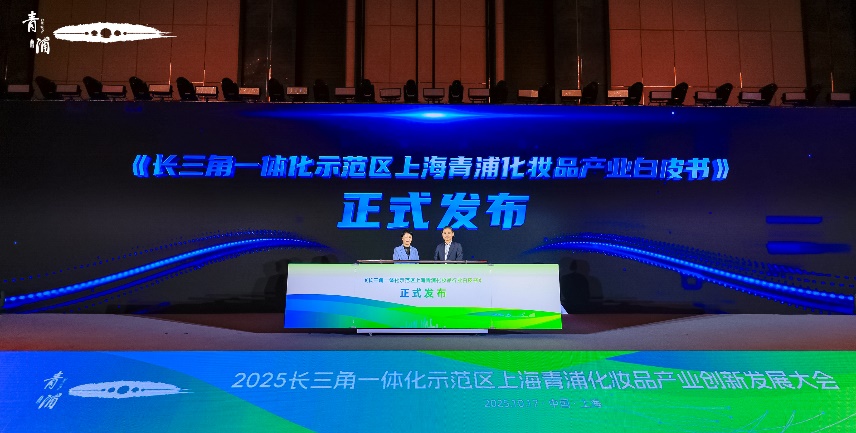
借“青”势赋能,上海青浦化妆品产业创新发展大会举办
Guo Ji Jin Rong Bao· 2025-10-21 14:36
Core Viewpoint - The "2025 Yangtze River Delta Integration Demonstration Zone Shanghai Qingpu Cosmetics Industry Innovation Development Conference" highlighted the release of the "Qingpu Cosmetics Industry White Paper," showcasing the region's commitment to high-quality development in the cosmetics sector through innovation and collaboration [1][3]. Group 1: Industry Development - Qingpu District has leveraged the strategic advantages of the Yangtze River Delta Integration Demonstration Zone, the China International Import Expo, and the Hongqiao Business District to establish a complete "R&D—Production—Marketing—Logistics" closed-loop ecosystem, demonstrating strong innovation capabilities and market competitiveness [3]. - The conference aimed to build a collaborative platform for government, enterprises, and research institutions, showcasing the innovative achievements and future vision of the Qingpu cosmetics industry [3]. Group 2: Government and Industry Collaboration - Qingpu District is focused on creating a scientific, standardized, and efficient development environment for the cosmetics industry, emphasizing the construction of a resilient industrial ecosystem from R&D to manufacturing [3]. - The Shanghai Municipal Economic and Information Commission highlighted cosmetics as one of the six key industries for development, crucial for enhancing the city's industrial capabilities and soft power [3]. Group 3: Product Innovation - The newly approved whitening and freckle-removing ingredient, TIANMINGDUO®630, represents a historic breakthrough for the Chinese cosmetics industry, marking the first new ingredient approved by the National Medical Products Administration since the implementation of the Cosmetics Supervision and Administration Regulations [5]. - The successful development and approval of TIANMINGDUO®630 were facilitated by the "spillover effect" from the China International Import Expo, with key milestones occurring in Qingpu, illustrating a complete "full-link innovation story" [5]. Group 4: Future Outlook - Qingpu District plans to continue enhancing collaboration among government, enterprises, and research institutions, optimizing the business environment, and accelerating the gathering of high-end resources to advance the cosmetics industry towards scientific and high-end development [6].
拜尔斯道夫集团祛斑美白专利成分提安明多®中文商标正式发布|最前线
3 6 Ke· 2025-10-21 11:36
Core Insights - Bayer's new patented ingredient, Tiannmingduo®630, is the first inhibitor based on human tyrosinase screening, aimed at suppressing melanin production from the source [1][3] - The introduction of the Chinese trademark signifies the ingredient's localization for Chinese consumers and strengthens intellectual property protection [3] - Tiannmingduo®630 is a result of over 20 years of research and development, reflecting the strategy of "driving global R&D with Chinese demand" [3] Product Launch and Market Strategy - Bayer has launched 12 products containing Tiannmingduo®630, covering various skincare segments including mass market, dermatological, high-end skincare, and professional medical aesthetics [1] - The ingredient received approval as the first new whitening ingredient under the Cosmetic Supervision and Administration Regulations, indicating a significant regulatory milestone [4] - The second-generation light-activated essence featuring Tiannmingduo®630 was globally launched in Shanghai, marking a transition from cross-border to local sales [4] Research and Development - The development of Tiannmingduo®630 involved overcoming challenges in expressing recombinant human tyrosinase over 15 years, screening from over 50,000 molecules [3] - The ingredient has completed a full set of toxicological safety assessments and has been published in multiple SCI papers [3] Regulatory and Industry Support - The ingredient's market entry was facilitated by supportive policies, including the establishment of a synchronized application mechanism for new raw materials and related products [4] - Bayer emphasizes data-driven claims in the competitive beauty market and intends to combat false advertising related to unverified ingredients [4]