
化妆品产业高质量发展

Search documents
广州保持全国第一大美妆洗护用品出口城市地位
Sou Hu Cai Jing· 2026-01-30 12:39
Core Insights - Guangzhou's cosmetics industry is experiencing significant growth, with imports and exports reaching 17.34 billion yuan in 2025, marking an 11.2% increase, and exports alone growing by 25.2% to 11.63 billion yuan, maintaining its position as the largest exporter of beauty and personal care products in China [1][2] - The city has a robust cosmetics industry chain with an annual production value exceeding 100 billion yuan, exporting products to over 170 countries and regions across six continents [1] Measures for Development - The Guangzhou Customs, in collaboration with the Guangzhou Municipal Bureau of Commerce, has introduced nine measures to support the high-quality development of the "International Beauty Bay" cosmetics industry, which have been approved by the General Administration of Customs [1] - These measures target cosmetics enterprises across 11 districts in Guangzhou, including Baiyun and Huadu, and encompass various business models such as general trade, international exhibitions, market procurement, and international transit [1] Optimizations in Business Environment - The measures aim to optimize the business environment for the cosmetics industry in three key areas: enhancing quality safety and integrity to guide enterprise transformation, supporting the healthy development of new business models through institutional innovation, and promoting industry development through international regulations [2] - The implementation of these measures is expected to yield three major benefits: a 70% reduction in customs clearance time, a 30% decrease in testing costs, and a more diverse range of export methods for enterprises, thereby enhancing their international competitiveness [2]
广州海关九大举措力挺化妆品产业
Guang Zhou Ri Bao· 2026-01-30 08:42
Core Viewpoint - The Guangzhou government is promoting high-quality development in the cosmetics industry, with significant growth in imports and exports, supported by new customs measures aimed at enhancing efficiency and reducing costs for enterprises [1][2][3] Group 1: Industry Growth - In 2025, Guangzhou's beauty cosmetics and personal care products imports and exports reached 17.34 billion yuan, an increase of 11.2% [1] - Exports accounted for 11.63 billion yuan, growing by 25.2%, maintaining Guangzhou's position as the largest exporter of beauty and personal care products in China, with products reaching over 170 countries and regions across six continents [1] Group 2: Customs Measures - The customs authority has introduced nine measures to support the cosmetics industry, including a "white list + sampling release" evaluation process for exported cosmetics and reforms in batch inspection [1] - These measures are designed to enhance the efficiency of customs clearance and reduce operational costs for cosmetics companies, particularly benefiting small and medium-sized enterprises [2][3] Group 3: Support for SMEs - The new customs measures create a credit-based regulatory service system that addresses concerns regarding customs efficiency and cost optimization for cosmetics companies [3] - The customs authority is expanding the types and regions for market procurement exports of cosmetics, aiming to open new channels for small and medium-sized enterprises to access international markets [3]
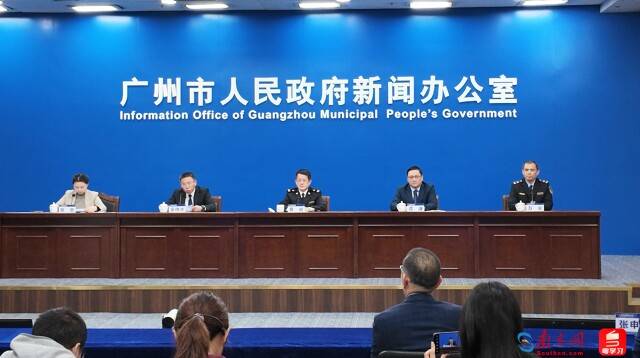
全国美妆洗护用品出口第一!广州海关九条新政助推化妆品出口提速
Sou Hu Cai Jing· 2026-01-29 11:20
Core Viewpoint - Guangzhou's cosmetics industry is set to achieve high-quality development, with projected import and export value reaching 17.34 billion yuan by 2025, marking an 11.2% year-on-year growth, and exports expected to reach 11.63 billion yuan, growing by 25.2% [1][3] Group 1: Policy Measures - The nine measures approved by the General Administration of Customs aim to support the high-quality development of Guangzhou's cosmetics industry, covering all 11 districts, including key manufacturing bases [3] - Key initiatives include "batch inspection" reforms, support for market procurement trade pilot programs for cosmetics exports, and optimized sampling requirements for small batch exports, marking the first implementation of such measures nationwide [3][4] Group 2: Benefits of the Measures - The measures are designed to enhance quality, safety, and integrity, allowing local governments to recommend AEO-certified companies for a "white list," which provides three customs facilitation benefits [3] - The expected outcomes include a 70% reduction in overall customs clearance time and a 30% decrease in testing costs for "white list" companies, significantly improving operational efficiency [4] - The measures will diversify export modes and enhance the international competitiveness of Guangzhou's cosmetics industry, promoting a shift towards high-quality and branded products [4]

全链条促进化妆品产业高质量发展
Zhong Guo Jing Ji Wang· 2025-12-29 14:58
Core Viewpoint - The National Medical Products Administration (NMPA) is focusing on enhancing the regulatory framework for cosmetics in 2026, emphasizing the importance of safety and high-quality development in the industry [1] Group 1: Regulatory Focus - The NMPA held a meeting on December 29 to summarize the achievements of regulatory work in 2025 and analyze the current situation for 2026 [1] - The year 2026 marks the beginning of the "14th Five-Year Plan," and the NMPA aims to implement the spirit of the 20th National Congress of the Communist Party of China [1] Group 2: Strategic Goals - The NMPA plans to deepen the reform of the entire regulatory process and strengthen safety measures across the cosmetics industry [1] - The meeting highlighted the need for a comprehensive approach to promote high-quality development throughout the entire supply chain of the cosmetics industry [1] Group 3: Stakeholder Engagement - Representatives from various NMPA departments, local drug regulatory agencies, and other relevant organizations participated in the meeting [1] - During the visit to Shijiazhuang, NMPA officials conducted on-site research at local drug and medical device inspection and research institutions [1]
国家药监局:持续深化全过程监管改革 全链条促进化妆品产业高质量发展
智通财经网· 2025-12-29 06:59
Core Viewpoint - The National Medical Products Administration (NMPA) held a meeting to summarize the regulatory achievements of 2025 and outline key work strategies for 2026, emphasizing the importance of high-quality development in the cosmetics industry [2]. Group 1: Regulatory Focus - The meeting highlighted that 2026 marks the beginning of the "14th Five-Year Plan," necessitating the implementation of the spirit of the 20th National Congress and subsequent plenary sessions [2]. - The NMPA aims to deepen the reform of the entire regulatory process and strengthen safety measures across the cosmetics industry [2]. Group 2: Stakeholder Engagement - Representatives from various provincial drug regulatory authorities participated in the meeting, indicating a collaborative approach to regulatory oversight [2]. - During the visit to Shijiazhuang, NMPA officials conducted on-site research at local drug and medical device inspection institutions [2].
最高3000万!美妆激励潮来了
Xin Lang Cai Jing· 2025-12-09 13:42
Core Insights - The Chinese beauty industry is entering a new phase of policy explosion, with over 102 new regulations released since 2025, covering key aspects such as raw material innovation, registration, quality supervision, and personalized services, indicating a strategic shift from a "cosmetic manufacturing country" to a "cosmetic powerhouse" [1][71][96] Industry Overview - The total transaction value of the Chinese cosmetics market is projected to reach 1,073.822 billion yuan in 2024, making it the largest consumer market globally [4][71] - As of October 2025, there are over 20,000 registered cosmetic companies and 2,291,000 registered ordinary cosmetics in China [4][71] Regional Policies - Major production areas like Guangdong, Shanghai, Hainan, and Zhejiang have introduced targeted policies that leverage local industrial advantages, focusing on compliance and industry empowerment [4][72] - Guangdong has implemented a "strict regulation + strong support" policy, enhancing production compliance and providing substantial financial incentives for innovation [26][91] - Shanghai emphasizes its role as a "R&D hub + international window," with policies aimed at brand cultivation and innovation support [93] Specific Initiatives - Guangdong's policies include a one-time funding of up to 1 million yuan for approved national key laboratories and 100,000 yuan for new raw material registrations [92] - Shanghai's measures offer up to 200,000 yuan for new raw materials and 3 million yuan for projects promoting "Shanghai-made brands" [93][81] - Hainan is focusing on developing local resources like pearls and coconuts, with a special support policy for the cosmetics industry, offering up to 30 million yuan in direct funding [94][87] Regulatory Reforms - The National Medical Products Administration (NMPA) has released 20 core new policies since 2025, focusing on deepening regulatory reforms and activating innovation [96][97] - Key reforms include the introduction of a risk monitoring and evaluation management method, which shifts regulatory focus from post-event handling to proactive prevention [34][98] - The NMPA aims to achieve an internationally advanced level of cosmetic quality and safety regulation by 2035, with 24 reform measures targeting raw material innovation and registration efficiency [96][98] Technical Standards - The China National Institute of Standardization has published at least 65 technical standards and guidelines for cosmetics this year, providing essential technical support for regulatory compliance [53][54] - These standards aim to fill critical gaps in the regulatory framework, ensuring quality control and safety in the cosmetics market [53][54]
全链条支持化妆品产业高质量发展
Jing Ji Ri Bao· 2025-12-06 21:47
Core Viewpoint - The National Medical Products Administration (NMPA) has released an opinion aimed at enhancing the regulatory framework for cosmetics, promoting high-quality industry development, and transitioning China from a "cosmetics manufacturing giant" to a "cosmetics manufacturing powerhouse" by 2030 and 2035 [1] Group 1: Regulatory Reforms - The opinion outlines 24 reform measures across five areas to strengthen the safety baseline of cosmetics, foster new productive forces, and support high-quality industry development [1] - By 2030, the regulatory legal system for cosmetics is expected to be more complete, with improved standards, stronger technical support, and enhanced risk prevention capabilities [1] - By 2035, the quality and safety regulatory system for cosmetics is projected to reach international advanced levels, with increased innovation and global competitiveness [1] Group 2: Industry Status - As of the end of October, there are over 20,000 registered and filed cosmetics companies in China, with 46,000 special cosmetics and 2.291 million ordinary cosmetics registered [2] - The Chinese cosmetics market is expected to exceed 1 trillion yuan in transaction value in 2024, making it the largest consumer market globally [2] - Despite its size, the industry faces challenges such as low industrial concentration, inadequate quality systems, and insufficient core competitiveness [2] Group 3: Innovation Support - The opinion supports innovation in cosmetic raw materials by improving classification management and technical evaluation systems, and establishing standards for frequently used and high-risk materials [3] - A special review channel for new efficacy cosmetics will be established, allowing for immediate review and consultation prior to application submission [3] - The opinion encourages the launch of international cosmetic products in China without the need for prior sales approval, removing time barriers [3] Group 4: Consumer Demand - The opinion addresses the growing and diverse demand for cosmetics among the aging population, encouraging companies to develop products tailored for older consumers [4] - It supports research on skin aging mechanisms and expedites the registration and listing processes for cosmetics suitable for the elderly [4] - To meet the demands for intelligent and green development in the cosmetics industry, the implementation of electronic labels is set to begin in pilot provinces by February 2026 [4] Group 5: Governance Improvement - The opinion emphasizes modernizing regulatory capabilities and improving review efficiency through reforms in registration and filing, regulatory team building, and scientific research [4] - Aiming to establish a scientific, efficient, and standardized modern governance system for cosmetics [4]
新政出台为化妆品产业持续健康发展注入强劲动力
Xiao Fei Ri Bao Wang· 2025-11-25 00:49
Core Viewpoint - The new regulatory reforms introduced by the National Medical Products Administration aim to enhance the quality and competitiveness of the cosmetics industry in China, with a vision for modernization and international alignment by 2035 [2][7]. Group 1: Regulatory Reforms - The "Opinions" document outlines 24 reform proposals and 48 specific measures to improve the cosmetics industry [3]. - Key measures include the establishment of a fast-track approval process for new efficacy cosmetics, allowing international new products to enter the market without prior sales proof, and fostering the silver economy by addressing the needs of the elderly [4][5]. Group 2: Innovation and Market Dynamics - The reforms focus on the front end of the industry value chain, emphasizing innovation, product entry, and market introduction [4]. - The introduction of a dedicated review channel for new efficacy cosmetics is expected to lower R&D costs and provide clear policy guidance for companies [4]. Group 3: Digitalization and Efficiency - New electronic labeling initiatives are set to enhance regulatory digitalization, allowing consumers to access comprehensive product information via QR codes [6]. - Measures to streamline the review process include reducing the review time for high-risk changes from 90 to 60 days and for low-risk changes to 45 days, significantly improving efficiency [6]. Group 4: Quality Management and Market Growth - A three-year action plan will be implemented to enhance the quality management systems of cosmetics companies, particularly benefiting small and medium-sized enterprises [7]. - The Chinese cosmetics market is projected to exceed 1 trillion yuan in transaction value by 2024, with domestic products accounting for over 55.2% of sales [7].
国家药监局发文深化化妆品监管改革 多举措激发化妆品市场活力
Zhong Guo Zheng Quan Bao· 2025-11-19 03:27
Core Viewpoint - The National Medical Products Administration (NMPA) has released an opinion aimed at deepening the reform of cosmetics regulation and promoting high-quality development in the industry over the next 5 to 10 years, with 24 reform measures proposed to enhance safety and innovation in the cosmetics sector [1][2]. Group 1: Industry Overview - China is the world's largest cosmetics market, with over 20,000 cosmetics companies and 4.6 million registered special cosmetics varieties, alongside 2.29 million filed ordinary cosmetics varieties [1]. - The domestic cosmetics market is projected to exceed 1 trillion yuan in transaction volume by 2024, with domestic brands holding a market share of 55.2% [1]. Group 2: Reform Measures - The opinion outlines 24 reform measures focusing on five areas: encouraging innovation, optimizing registration and filing management, strengthening risk prevention across the supply chain, enhancing smart regulatory capabilities, and aligning regulations with international standards [2]. - Specific measures include supporting raw material innovation, establishing a classification management and technical evaluation system for new raw materials, and creating a collaborative mechanism for research and evaluation [2]. Group 3: Regulatory Changes - A specialized review channel for new efficacy cosmetics will be established, allowing for immediate review upon submission and providing pre-consultation for registration applications [3]. - The opinion allows international cosmetics that meet certain criteria to bypass the requirement of submitting proof of prior market approval, facilitating faster market entry for new products [3]. Group 4: Registration and Filing Reform - The opinion proposes specific measures to simplify registration and filing management, such as allowing similar products from the same brand to share safety and efficacy evaluation data and reducing the registration burden for products changing production locations [4]. - The review mechanism will be optimized, with high-risk registration changes being processed in 60 working days and low-risk changes in 45 working days, significantly improving approval efficiency [4].
化妆品产业迎高质量发展意见 激发万亿新活力
Xin Hua She· 2025-11-18 04:37
Core Viewpoint - The National Medical Products Administration (NMPA) has released a set of opinions aimed at deepening cosmetic regulation reform and promoting high-quality development in the industry, focusing on safety, innovation, and market expansion [1] Group 1: Regulatory Reforms - The opinions propose a comprehensive reform plan for the next 5 to 10 years, including 24 reform suggestions and 48 specific measures to enhance category innovation, regulatory optimization, and industry empowerment [1] - A special review channel for new efficacy cosmetics will be established, allowing for immediate review upon submission, which aims to reduce the high trial-and-error costs previously faced by companies [3] Group 2: Market Expansion - The introduction of a policy allowing international cosmetic products to launch in China without prior sales license documentation is expected to create a "fast track" for new products, significantly boosting consumer access to global innovations [4] - The domestic cosmetic market is projected to exceed 1 trillion yuan in transaction volume by 2024, with domestic brands holding a market share of 55.2% [1] Group 3: Targeting Demographic Needs - The opinions emphasize the development of cosmetics tailored for the aging population, encouraging companies to focus on research related to skin aging and to expedite the registration and listing processes for these products [5] - The growing demand from the elderly demographic is recognized as a significant opportunity for innovation within the industry [5] Group 4: Digital Transformation - The NMPA is advancing the digital upgrade of cosmetic regulation, with a focus on implementing electronic labels to enhance product information accessibility for consumers [6][7] - The digital labels will allow consumers to easily access detailed product information through various formats, improving readability and catering to diverse consumer needs [7]