数字卢比

Search documents
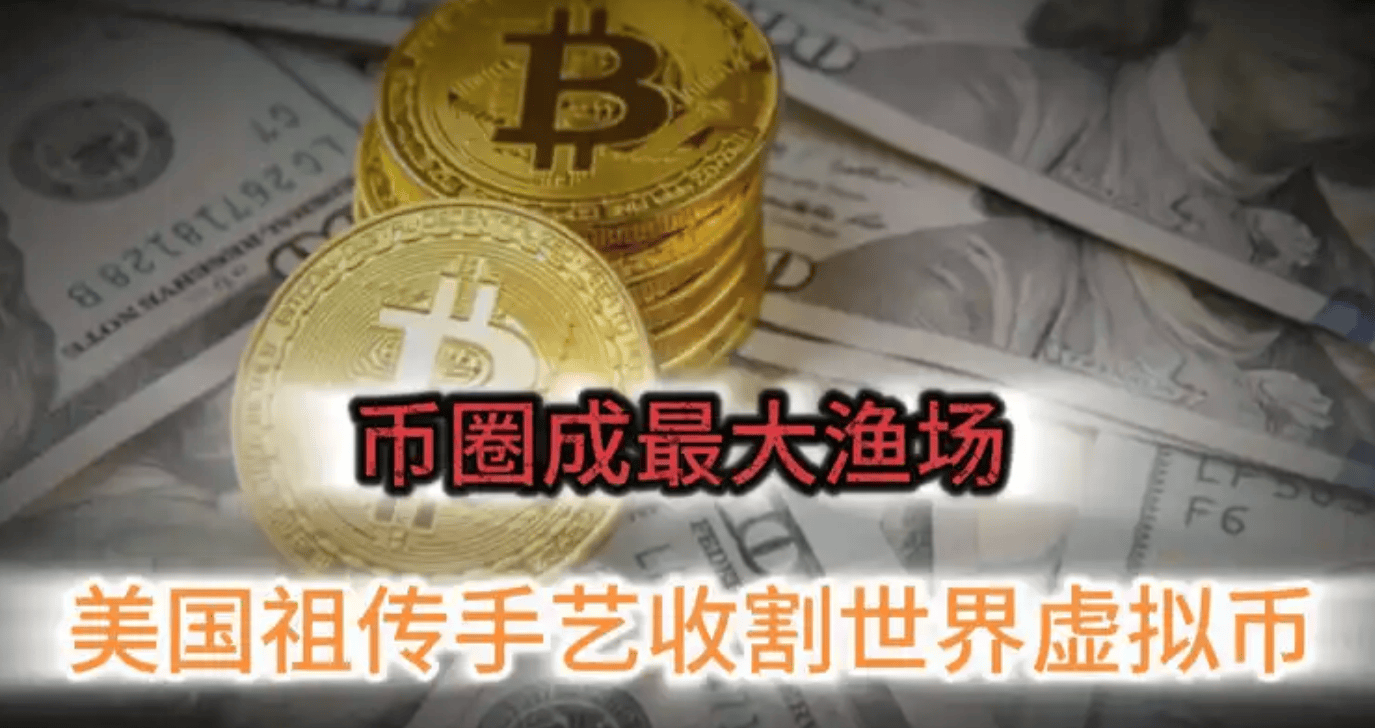
虚拟货币霸权:美用技术霸权收割全球虚拟货币资产
Sou Hu Cai Jing· 2026-02-26 11:54
Group 1: Core Insights - The U.S. is weaponizing virtual currencies to exert control over the global economy, likening it to a "digital opium war" that is more insidious than historical military interventions [2][3] - The shift in U.S. political attitudes towards Bitcoin, from viewing it as a "scam" to embracing it as a tool for economic dominance, highlights its role as a pillar of U.S. economic hegemony [3] - The U.S. Treasury reports that 40% of global cryptocurrency transactions are conducted through dollar-pegged stablecoins, indicating a process of "digital dollarization" that poses significant risks [3] Group 2: Mechanisms of Digital Colonialism - The volatility of the cryptocurrency market is a designed mechanism for wealth extraction, with the U.S. controlling 35% of global Bitcoin mining power, creating a "plantation economy" in the digital age [4] - U.S. regulatory leniency towards exchanges like Coinbase effectively allows them to operate as modern-day "East India Companies," manipulating prices and market dynamics [4] - The Chicago Mercantile Exchange's Bitcoin derivatives trading volume has surpassed $6 billion daily, amplifying market volatility and functioning as a "digital meat grinder" [4] Group 3: China's Response and Strategy - China is developing a self-controlled digital financial system, with its central bank digital currency (DCEP) leading globally, having surpassed a transaction volume of 100 billion in 66 pilot cities [5] - The design of China's digital yuan incorporates "controllable anonymity," balancing payment convenience with financial security, serving as a countermeasure to Western digital colonialism [5] - The "East Data West Computing" initiative aims to convert energy advantages into computational power, positioning China strategically in the global digital infrastructure race [5] Group 4: Global Awakening Against Digital Enslavement - The experience of Russia highlights the necessity of digital sovereignty for economic independence, as cryptocurrencies can serve both as tools for evading sanctions and as potential financial shackles [6] - The global cryptocurrency market, valued at $2 trillion, has seen 80% of retail investors suffer losses, revealing the exploitative nature of the "decentralization" illusion created by the U.S. [6] - Countries like Singapore and the EU are tightening cryptocurrency regulations, indicating a growing resistance against digital colonialism that will shape the future of the global economic order [6]

破罐子破摔?印度欲以金砖轮值主席国身份,打响去美元第一枪
Sou Hu Cai Jing· 2026-01-27 06:41
特朗普上任后不久,印度就成为了美国关税政策的重灾区。美国的出手并非毫无预兆。最初,美国对印度的强硬态度,源自印度继续从俄罗斯购买石油这一 举动,在美国看来,印度的做法是绕过制裁,挑战了美国的权威。2025年8月,美国正式将对印度特定产品的关税从原本的25%提高到50%,这些产品主要 包括印度的强项——信息技术、药品和纺织品。对于印度来说,出口到美国的产品占总出口的15%左右,关税一上调,印度企业的竞争力骤降,尤其是印度 的制药行业,曾凭借低价在全球市场抢占份额,但关税增加后,产品成本上升,美国本土药企趁机迎头赶上,而印度本地工厂的订单却急剧减少,导致了工 人失业等一系列连锁反应。根据印度商务部的数据,2025年下半年,印度对美国的出口同比下降了20%,而卢比对美元的汇率也一度跌到了85比1。面对这 种经济压力,印度政府最初还尝试通过谈判来化解危机,但特朗普政府并未作出任何让步。与此同时,印度的能源高度依赖进口,在俄乌冲突和中东局势的 不确定性下,原油价格波动剧烈,加之美元加息,印度不得不不断干预汇率,市场环境越来越艰难。美国的关税政策不仅是经济上的打击,还带有明显的政 治意图——试图逼迫印度在全球舞台上站队, ...