日本洗护用品

Search documents
海南免税新政落地,每年1万额度如何改变百姓生活?
Sou Hu Cai Jing· 2026-02-05 14:41
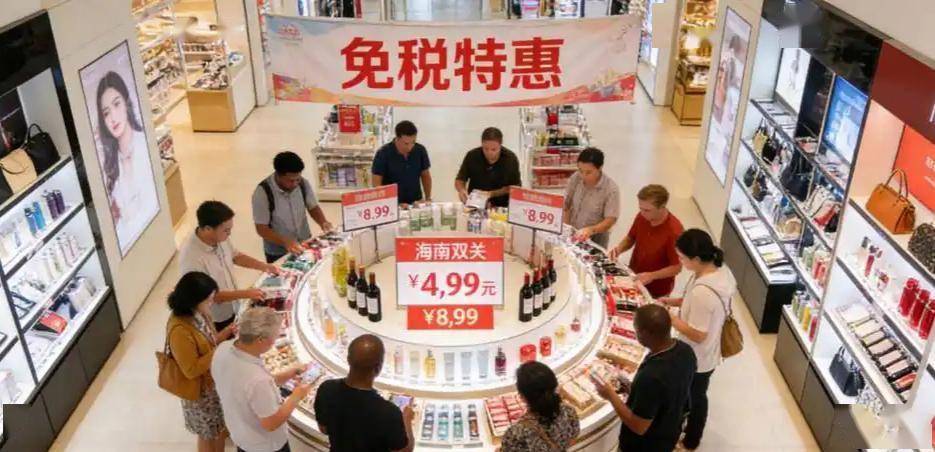
Core Insights - The new "zero tariff" policy in Hainan Free Trade Port allows residents to enjoy a tax-free shopping quota of 10,000 yuan per year, covering daily consumer goods such as food and personal care products, marking a significant shift in consumption patterns for over 8 million residents [2][3] Policy Highlights - The policy uniquely includes "daily consumption" for island residents, enabling a more convenient shopping experience [3] - Key features include no limits on purchase frequency, dynamic adjustment of the product list, and designated locations for on-site pickup, allowing residents to plan their shopping flexibly [3] - The policy prohibits the resale of purchased goods, with violations resulting in a three-year suspension of consumption eligibility [3] Benefits to Consumer Spending - Prices for imported goods have decreased significantly, with Australian beef prices dropping by approximately 15% and Japanese personal care products by up to 20%, translating to savings of about 1,500 yuan in taxes for an average family spending 10,000 yuan on imported goods annually [4] - The policy has led to a notable increase in the sales of imported infant formula, with a 47% year-on-year growth in the first week of implementation [4] Emerging Consumption Trends - The new policy is reshaping the consumption landscape in Hainan, with cross-border e-commerce stores transitioning to "zero tariff" physical stores and supermarkets creating dedicated sections for imported goods [5] - Consumers are adapting to a "fragmented tax-free" approach, breaking down their annual quota into multiple smaller purchases, thus transforming imported goods from "seasonal" to "everyday" items [5] - The 10,000 yuan quota presents both opportunities and challenges for consumers, leading to the emergence of new services such as "tax-free planners" and financial services from banks to help residents optimize their tax-free shopping strategies [5]

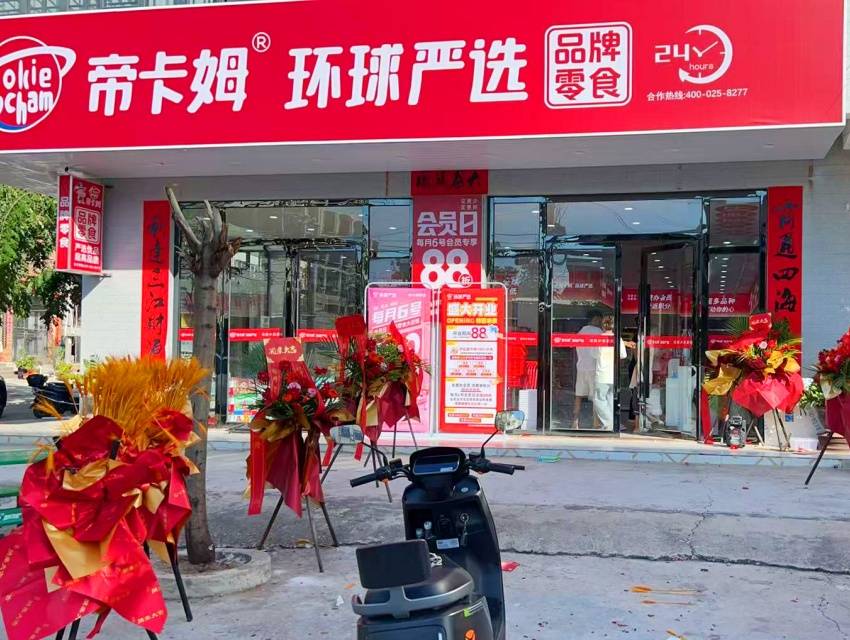
帝卡姆环球严选省钱超市,都市消费者追捧的购物新去处
Sou Hu Cai Jing· 2025-11-09 16:05
Core Insights - A new retail model centered around "strict selection + discount" membership supermarkets is rapidly emerging in China, with Dikaim Global Selected Savings Supermarket leading the trend by offering "brand quality at bulk prices" [1][10] Group 1: Business Model - Dikaim's unique business model leverages a global direct sourcing system, allowing it to offer imported goods at 50-70% lower prices compared to traditional retail channels [3] - The supermarket has established direct partnerships with 156 quality suppliers from 23 countries, eliminating middlemen and significantly reducing retail prices [3] - Membership plays a crucial role in Dikaim's strategy, with a yearly fee of 199 yuan granting access to exclusive member prices, which helps in demand forecasting and inventory management [5] Group 2: Product Strategy - Dikaim focuses on a "small area, high turnover" store strategy, with store sizes ranging from 300 to 800 square meters and a selection of 3,000 to 5,000 SKUs [7] - The product selection emphasizes high-frequency, essential, and consumable items, with imported goods making up about 35% of the inventory [7] - Dikaim's private label brands, such as "Dixuan" and "Kamu Premium," have higher profit margins compared to similar branded products, contributing significantly to profit growth [7] Group 3: Challenges and Future Plans - Dikaim faces challenges in consumer education regarding the membership model and quality control during rapid expansion, as evidenced by recent complaints about imported milk [8] - The company plans to increase its direct sourcing ratio to 85% over the next three years and is exploring automation in its supply chain [8] - Dikaim aims to extend its "strict selection" concept into service areas, considering exclusive member benefits in tourism and education to create a comprehensive lifestyle service platform [8]