
澳洲牛排

Search documents
县城老家的高物价,刺痛了谁?
虎嗅APP· 2026-02-19 13:23
Core Viewpoint - The article discusses the surprising high prices in small towns during the Chinese New Year, highlighting a discrepancy between local wages and consumer prices, which has become a trending topic on social media [11][12]. Group 1: Price Discrepancy - The prices of goods in small towns can exceed those in major cities, with examples such as cherries priced at 343 yuan for 2.5 kg in a small town compared to 198 yuan in Shanghai [8]. - Other examples include bottled water priced at 12 yuan, imported chocolates at 388 yuan, and lower-grade Australian beef at 158 yuan per pound, all of which are higher than similar products in larger cities [9]. Group 2: Consumer Behavior - The article identifies a unique consumer demographic in small towns, referred to as "county Brahmins," which includes local government employees and those with strong social networks, who have a higher "real disposable income" despite lower nominal wages [14][15]. - This demographic's consumption patterns significantly influence local pricing, as they are willing to pay premium prices for goods and services, thereby raising market expectations [15]. Group 3: Social and Cultural Factors - Consumption in small towns is deeply intertwined with social status and cultural expectations, where spending is often driven by the need to maintain face and social standing [18][19]. - The phenomenon of "face consumption" leads to higher prices, as businesses set prices based on perceived social value rather than just cost [18]. Group 4: Psychological Impact on Returnees - Returnees, like the character Chen Mo, experience a psychological shock when confronted with high prices in their hometowns, leading to feelings of inadequacy and self-doubt [19][20]. - The article suggests that this psychological impact is exacerbated by the contrast between their urban lifestyles and the economic realities of their hometowns, creating a sense of "floating" without stable ground [20].

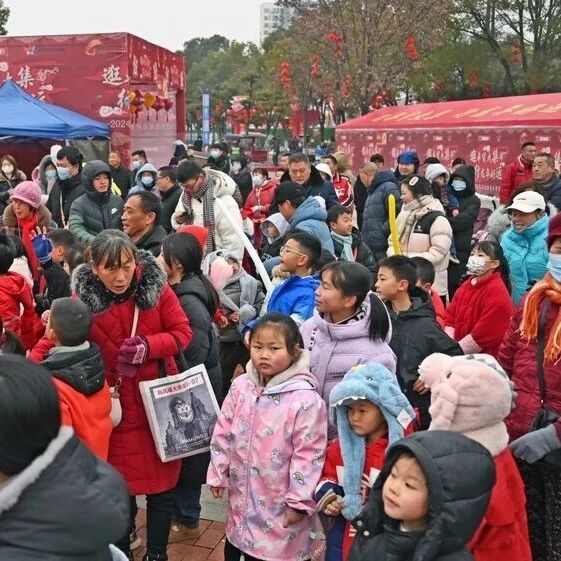
近五年进口额年均增长54%!澳洲牛排爆火广东市场|天下货行广东·APEC好物志
Nan Fang Nong Cun Bao· 2026-02-09 09:36
Core Insights - The article highlights the rapid growth of Australian beef imports in Guangdong, with an average annual increase of 54% over the past five years, indicating a strong demand in the market [1][18]. Group 1: Market Overview - Guangdong serves as a key hub for high-quality global products entering China, particularly in the beef market, where Australian beef has established a significant presence [2][3]. - As the largest beef-consuming province in China, Guangdong's annual beef consumption reaches 1 million tons, accounting for 10% of the national total, providing a substantial market for Australian beef [9][10]. Group 2: Import Data - According to customs data, it is projected that Guangdong will import approximately 24,400 tons of Australian beef in 2025, with total beef imports for the province reaching 383,000 tons, representing 13.7% of national imports [12][14]. - The total trade value of imported Australian beef in Guangdong is expected to reach 1.36 billion yuan in 2025 [15]. Group 3: Growth Trends - From 2021 to 2025, the import volume of Australian beef in Guangdong is expected to grow at an average annual rate of about 43.2%, while the import value is projected to increase by approximately 54% [18]. Group 4: Quality and Supply Chain - Australian beef's success in the high-end market is attributed to its quality, with features such as tenderness and rich flavor appealing to high-end consumers [24][25]. - The growth of Australian beef in Guangdong is supported by efficient supply chains and logistics, including direct sourcing systems and cold chain logistics that ensure freshness [28][30]. Group 5: Strategic Advantages - The strategic location of Guangdong, along with its well-established channels and policies, continues to support the stability of Australian beef in the Chinese market, reinforcing the trade relationship between China and Australia [33][34].

海南免税新政落地,每年1万额度如何改变百姓生活?
Sou Hu Cai Jing· 2026-02-05 14:41
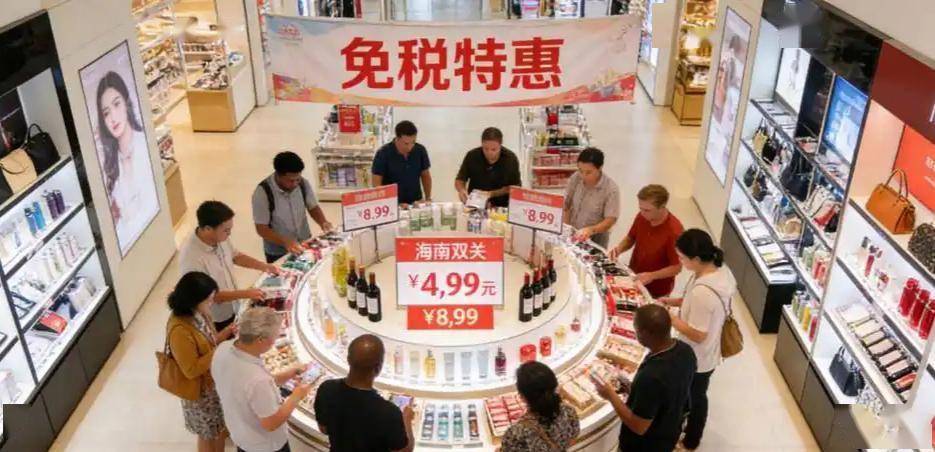
Core Insights - The new "zero tariff" policy in Hainan Free Trade Port allows residents to enjoy a tax-free shopping quota of 10,000 yuan per year, covering daily consumer goods such as food and personal care products, marking a significant shift in consumption patterns for over 8 million residents [2][3] Policy Highlights - The policy uniquely includes "daily consumption" for island residents, enabling a more convenient shopping experience [3] - Key features include no limits on purchase frequency, dynamic adjustment of the product list, and designated locations for on-site pickup, allowing residents to plan their shopping flexibly [3] - The policy prohibits the resale of purchased goods, with violations resulting in a three-year suspension of consumption eligibility [3] Benefits to Consumer Spending - Prices for imported goods have decreased significantly, with Australian beef prices dropping by approximately 15% and Japanese personal care products by up to 20%, translating to savings of about 1,500 yuan in taxes for an average family spending 10,000 yuan on imported goods annually [4] - The policy has led to a notable increase in the sales of imported infant formula, with a 47% year-on-year growth in the first week of implementation [4] Emerging Consumption Trends - The new policy is reshaping the consumption landscape in Hainan, with cross-border e-commerce stores transitioning to "zero tariff" physical stores and supermarkets creating dedicated sections for imported goods [5] - Consumers are adapting to a "fragmented tax-free" approach, breaking down their annual quota into multiple smaller purchases, thus transforming imported goods from "seasonal" to "everyday" items [5] - The 10,000 yuan quota presents both opportunities and challenges for consumers, leading to the emergence of new services such as "tax-free planners" and financial services from banks to help residents optimize their tax-free shopping strategies [5]
2小时卖出1000斤!智利车厘子广州龙穴开柜火爆销售
2 1 Shi Ji Jing Ji Bao Dao· 2025-12-05 07:52
Group 1 - The core event is the launch of the Chilean cherry sales at Nansha Port, which saw 1,000 pounds sold within 2 hours, with prices ranging from 288 to 318 yuan per box [1] - The event is part of a three-day fresh market festival aimed at integrating international trade with local consumption, enhancing the economic impact of the port [2] - The festival features a variety of products including seasonal fruits, Australian steaks, deep-sea fish, and local specialties, catering to the diverse needs of consumers [1][2] Group 2 - The event promotes the transformation of "port flow" into "economic increment" by creating high-visibility consumer scenarios, thus supporting the construction of an international consumption center [2] - Future plans include leveraging the port's advantages for global procurement and direct sales, ensuring that cherries reach consumers quickly throughout the winter season [2] - The festival also aims to explore new paths for the integration of culture, commerce, and tourism, positioning Nansha as a new tourism landmark in the Greater Bay Area [2]
万字长文:消费者去哪了?
投资界· 2025-08-28 09:48
Core Viewpoint - The retail industry is undergoing a profound transformation, with traditional hypermarkets facing significant challenges due to changing consumer behaviors and the rise of new retail formats [2][3]. Group 1: Retail Transformation - The decline of hypermarkets is attributed to their inability to adapt to the rapid shift towards digital and diversified shopping channels, leading to a loss of consumer interest [3][4]. - Consumers are increasingly favoring online platforms and quick delivery services, which has resulted in a dramatic shift in shopping habits away from traditional stores [3][5]. Group 2: Channel Dominance Breakdown - The traditional dominance of hypermarkets is being challenged by new retail formats that offer lower operational costs and more efficient supply chains, such as community group buying and vertical niche players [5][6]. - The average rent for hypermarkets has increased by 8%-12% annually, while new retail formats maintain significantly lower rent costs of 3%-5% [5][6]. Group 3: Pricing and Consumer Behavior - The pricing strategy of hypermarkets is becoming less effective as e-commerce platforms like JD.com leverage direct sourcing to offer 15%-20% lower prices [6][7]. - The rise of live-streaming e-commerce has further disrupted traditional pricing models, with significant price reductions becoming commonplace [7][22]. Group 4: Consumer Demand Shifts - Consumers are moving from planned purchases to a model characterized by "infinite shelves," where online platforms provide vast product selections and competitive pricing [10][11]. - The demand for instant gratification is leading to a preference for minute-level response times in retail, with 62% of young consumers favoring quick delivery options [12][13]. Group 5: Experience and Lifestyle Proposals - Modern consumers prioritize shopping experiences and lifestyle alignment over mere product functionality, as seen in the success of membership-based models like Sam's Club [14][15]. - Retailers must focus on creating unique shopping experiences that resonate with consumer lifestyles to remain competitive [15][39]. Group 6: Emerging Retail Formats - Vertical niche players are gaining market share by offering specialized products and efficient operations, leading to a 25% decline in sales for traditional hypermarkets in certain categories [17][18]. - Community group buying platforms are rapidly expanding in lower-tier markets, with a user base of 678 million and a transaction scale of 322.8 billion yuan in 2023 [19][20]. Group 7: Supply Chain and Operational Challenges - Hypermarkets face significant supply chain inefficiencies, with average inventory turnover days around 60, compared to 28 days for newer formats like Hema [33][35]. - The reliance on a heavy asset model is proving detrimental, as many hypermarkets are unable to maintain profitability with declining foot traffic and high operational costs [33][34]. Group 8: Future Directions - The retail landscape is polarizing, with companies needing to choose between becoming "price killers" focused on efficiency or "emotional pharmacies" that prioritize customer experience [39]. - Successful retailers will need to innovate and adapt their business models to align with evolving consumer expectations and market dynamics [39].




消费者去哪了?
Hu Xiu· 2025-08-25 09:25
Core Insights - The retail industry is undergoing a profound transformation, with traditional hypermarkets facing collective decline as consumer preferences shift towards diverse and digital channels [1][4] - The dominance of hypermarkets, once characterized by low prices and high foot traffic, is being challenged by new retail formats that offer convenience and efficiency [2][3] Group 1: Decline of Hypermarkets - Hypermarkets are experiencing a significant operational cost increase, with average rent rising by 8% to 12% annually and labor costs increasing by 6% to 8% [5][6] - The traditional location advantage of hypermarkets is diminishing, as new retail formats like community group buying and snack specialty stores can operate with much lower costs [5][7] - The closure of hypermarkets is evident, with some locations unable to sustain rent costs exceeding 15% of sales [6][7] Group 2: Price Competition - E-commerce platforms like JD.com leverage extensive product offerings, achieving a price advantage of 15% to 20% through direct sourcing [9] - Live-streaming sales have drastically altered price perceptions, with some products being sold at discounts of up to 30% compared to traditional retail prices [10][35] - The efficiency of price comparison has improved by 300%, leading consumers to make more informed purchasing decisions [10] Group 3: Consumer Behavior Changes - Consumers are moving from planned purchases to a model characterized by "infinite shelves," facilitated by e-commerce platforms with vast product selections [15][16] - The rise of instant demand has led to a preference for minute-level response times in retail, particularly among younger consumers [18][19] - The focus on experiential shopping is growing, with consumers seeking not just products but also enjoyable shopping experiences that reflect their lifestyle choices [21][22] Group 4: Emerging Retail Formats - Vertical brands are gaining traction by focusing on niche markets, such as snack foods, and achieving higher profit margins through efficient operations [23][24] - Community group buying is rapidly expanding in lower-tier markets, offering significantly lower prices and capturing a large share of the fresh produce market [27][28] - Discount and near-expiry product retailers are thriving by providing high-quality products at low prices, with projected market growth for near-expiry goods reaching 40.1 billion by 2025 [31][32] Group 5: Supply Chain and Operational Efficiency - Efficient supply chain management is critical for success, with companies like Walmart achieving a 12-hour delivery response time for fresh goods [17] - The ability to quickly adapt to consumer demands is essential, as demonstrated by companies that can launch new products within 48 hours based on market trends [53] - Traditional hypermarkets struggle with slow inventory turnover and high operational costs, making them less competitive against agile new retail formats [50][51] Group 6: Generational Consumer Insights - Different generations exhibit distinct shopping behaviors, with Gen Z prioritizing social aspects of shopping and valuing quick delivery [40][42] - The new middle class emphasizes quality and efficiency, often opting for retailers that offer curated selections and fast service [43][44] - Older consumers still prefer traditional shopping methods but are gradually adopting online channels, highlighting the need for trust and convenience in service [47][48] Group 7: Future Directions - Retailers must choose between becoming "price killers" through efficiency or "emotional pharmacies" by enhancing customer experience [58] - High-end retailers like Sam's Club focus on maximizing member value through quality offerings rather than just high prices [59][61] - Community-focused strategies are emerging, with retailers downsizing store formats and streamlining product offerings to enhance local shopping experiences [62][64]