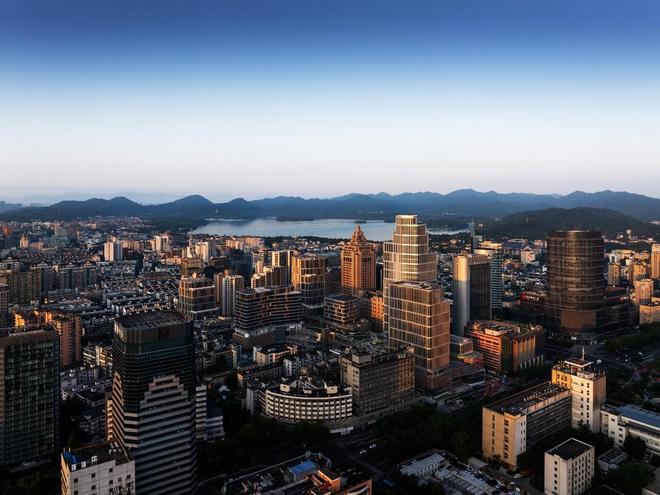
昆明恒隆广场

Search documents
港资守擂、内资突围、区域龙头割据,商业版图谁主沉浮?
Xin Lang Cai Jing· 2026-02-24 05:27
Core Insights - The retail commercial property market in 2025 is undergoing a profound structural adjustment due to macroeconomic headwinds and changing consumer habits, leading to varied survival scenarios among companies with different backgrounds and strategies [3][30] Group 1: Hong Kong Property Companies - Sun Hung Kai Properties remains the "rental king," recording net rental income of HKD 18.392 billion for the fiscal year 2025, demonstrating strong resilience [4][31] - The company maintains a high mall occupancy rate of 95% in Hong Kong by introducing popular mainland brands and optimizing public spaces [4][31] - Swire Properties reported a 20% year-on-year revenue increase in the first half of 2025, with retail sales in mainland China up 70% compared to 2019, but faced significant market differentiation [7][34] - Hang Lung Properties experienced mixed results, with overall income stable but significant city-level disparities, prompting a shift to more refined operational strategies [9][36] - Link REIT adopts a pragmatic approach to stabilize its operations amid structural changes in consumer behavior, enhancing its asset portfolio in Hong Kong and mainland China [11][38] - Kerry Properties shows financial discipline with a 22% drop in net profit but maintains a controlled debt ratio of 40% [13][40] - Shui On Land's resilience heavily relies on its Shanghai projects, which contribute 78% of rental income, highlighting the challenges in its national expansion [16][43] Group 2: Mainland Property Companies - Longfor Properties is focusing on revitalizing older projects, reducing interest-bearing debt by HKD 60 billion over three and a half years, and achieving a historical low financing cost of 3.58% [20][45] - China Resources' commercial segment reported a revenue of CNY 3.267 billion, a 14.6% increase, with a gross margin of 66.1% [21][48] - The average opening rate of new projects in the first half of 2025 exceeded 91%, with significant retail sales growth from third-party managed projects [22][49] Group 3: Regional Leaders - Hisense Plaza in Qingdao has maintained its status as Shandong's top luxury venue for 28 years, achieving annual sales exceeding CNY 6 billion [26][51] - Lihua Group represents a different path in regional commerce with its "department store + supermarket" model, facing challenges in national expansion and declining performance since 2019 [28][53]







恒隆集团及恒隆地产行政总裁卢韦柏:已迈入“恒隆V.3”阶段 依靠数量扩张的增长模式已经结束
Zhong Guo Jing Ying Bao· 2025-10-13 10:21
Core Insights - The article highlights the competitive landscape of commercial real estate in China, focusing on Hang Lung Group's strategic approach to maintaining its market position through selective expansion and partnerships [1][6]. Company Strategy - Hang Lung Group has signed a 20-year operating lease with Baida Group for the South and North buildings of Hangzhou Department Store, significantly increasing the retail space of Hangzhou Hang Lung Plaza by 40% and street-facing area by over 200% [1][7]. - The company emphasizes a shift from aggressive expansion to enhancing existing assets and customer experience, focusing on core cities to improve investment returns [1][6]. - The current strategy, termed "Hang Lung V.3," reflects a move away from a growth model based solely on quantity, recognizing the saturation of commercial space in various cities [6][8]. Market Conditions - The office market is experiencing downward pressure on rents, with CBRE projecting a 9.9% decline in national office rents by 2025, an increase of 3.2 percentage points from earlier predictions [5]. - The retail market shows signs of recovery, with Hang Lung's Shanghai Plaza maintaining a high occupancy rate of 98% despite ongoing renovations [5][6]. Project Developments - The Hangzhou project is the 11th comprehensive commercial project for Hang Lung in mainland China, with a retail pre-leasing rate of 83% and plans for phased openings starting in late 2025 [7][8]. - The company plans to complete renovations within a year of acquiring the properties, aiming to integrate the new space into the existing Hangzhou Hang Lung Plaza [9]. Competitive Landscape - Hang Lung aims to collaborate with local competitors like Hangzhou Tower to enhance the overall commercial environment rather than engage in direct competition [9].